
 EN


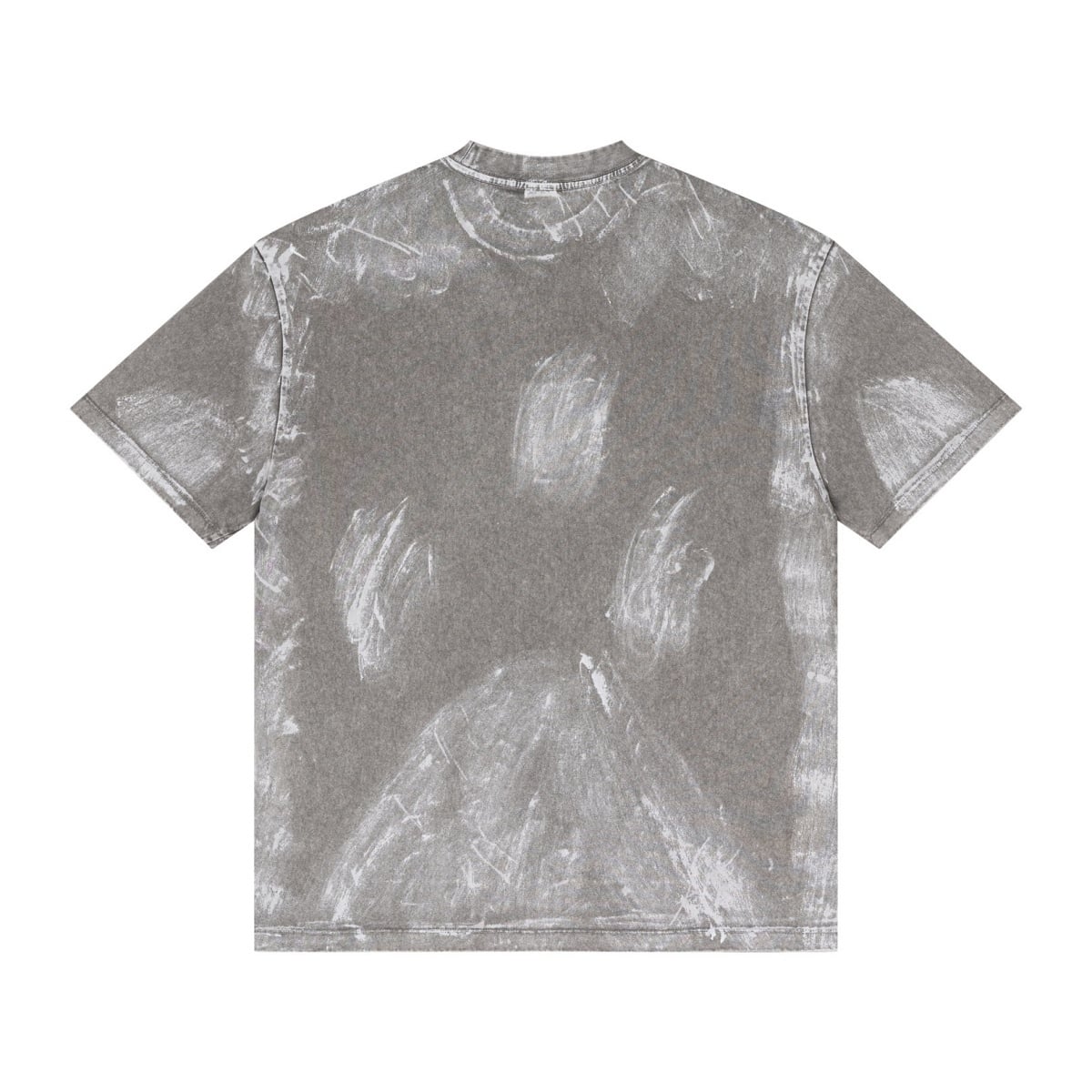
The streetwear market has evolved dramatically over the past decade, shifting from mass-produced collections to highly personalized, brand-driven offerings. Custom pants have become the cornerstone of this transformation, allowing designers and brands to create pieces that genuinely reflect their creative vision and audience preferences. Whether you're launching a new streetwear label, expanding an existing collection, or seeking to differentiate your brand in a crowded marketplace, understanding how custom pants production elevates your offerings is essential to long-term success.
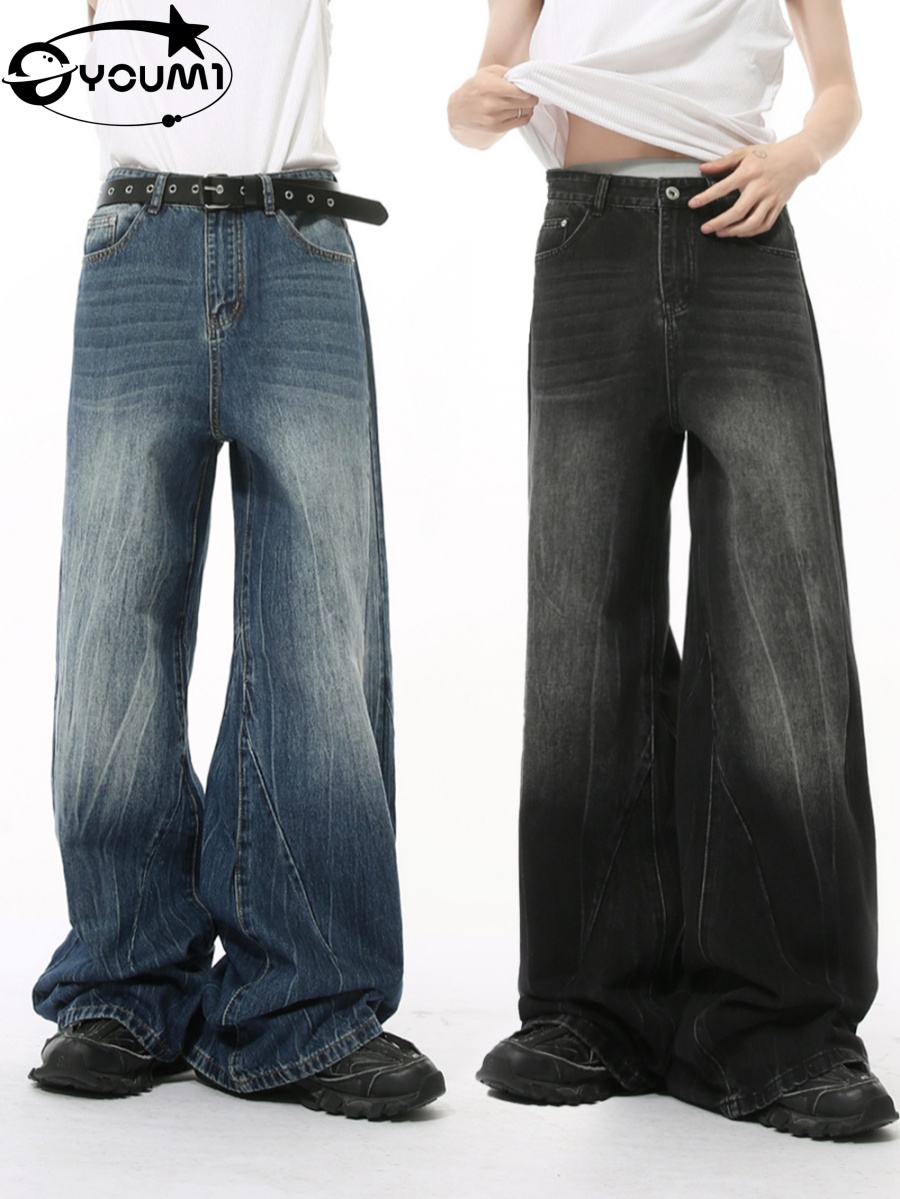
Custom pants production represents far more than simply ordering apparel with your logo attached. It encompasses the entire design process, material selection, fit engineering, and quality control that transforms raw fabric into signature pieces that define your brand. When executed strategically, custom pants become storytelling tools that communicate your brand values, aesthetic sensibility, and commitment to quality. This approach builds genuine customer loyalty because wearers feel they own something truly unique and intentional, not just another commodity product pulled from warehouse shelves.
Why Custom Pants Drive Streetwear Brand Differentiation
Creating Unmistakable Visual Identity
The foundation of successful streetwear lies in visual distinctiveness. Custom pants allow your brand to establish a recognizable silhouette that becomes instantly identifiable within your target market. Rather than selecting from standard factory patterns, custom pants production enables you to engineer specific proportions, pocket placements, fabric drapes, and finishing details that no competitor can replicate. This visual signature becomes your brand's trademark, building recognition and desirability among fashion enthusiasts who value authentic, intentional design.
When customers see your custom pants on the street, they should immediately recognize your brand through distinctive design elements. This recognition translates to social media visibility, word-of-mouth marketing, and organic brand advocacy that paid advertising alone cannot achieve. Custom pants designed with this strategic vision in mind become walking billboards that reinforce your brand message continuously.
Commanding Premium Price Points
Custom pants production justifies premium pricing in ways that mass-produced alternatives cannot. When streetwear consumers invest in custom pants, they're purchasing not just fabric and labor, but exclusivity, craftsmanship, and brand prestige. This pricing power directly impacts profit margins and enables reinvestment in design innovation, quality materials, and customer experience. Brands that master custom pants production often maintain 40-60% gross margins, compared to 15-25% for standard wholesale apparel.
The perceived value of custom pants extends beyond initial purchase. Limited production runs, thoughtful material sourcing, and visible attention to detail create a halo effect that elevates your entire collection. Customers who purchase custom pants become ambassadors for your brand, justifying your price positioning through their authentic enthusiasm and repeat purchases.
Essential Strategies for Custom Pants Production Success
Material Selection as Brand Foundation
The material you choose for your custom pants fundamentally determines their performance, aesthetic appeal, and production feasibility. Custom pants production begins here, not with design sketches or marketing plans. High-quality denim, cotton blends, technical fabrics, and specialty textiles each offer distinct advantages and require different production approaches. Your material selection should align with your target climate, wear conditions, and brand positioning.
For streetwear-focused custom pants, material consistency proves critical. Batch variation in weight, color, or texture can undermine perceived quality and damage customer trust. Work closely with fabric suppliers to establish material specifications, testing protocols, and quality benchmarks that ensure every production run meets your standards. This attention to material fundamentals separates respected streetwear brands from those perceived as inconsistent or trend-chasing.
Fit Engineering and Sizing Strategy
Custom pants must deliver exceptional fit across diverse body types, or they risk disappointing customers and generating returns. Fit engineering involves developing graded patterns that maintain your custom pants silhouette while accommodating multiple sizes accurately. This requires investment in fit modeling, pattern making, and production sampling that generic manufacturing shortcuts cannot replace. Brands that neglect this step often discover that their custom pants fit perfectly in one size but poorly in others, damaging their reputation.
Consider offering fit customization options as part of your custom pants production process. Inseam adjustments, waistband modifications, and taper variations increase perceived value while improving customer satisfaction. Some brands offer these services at purchase or as post-purchase alterations, creating touchpoints that strengthen customer relationships and justify premium pricing for custom pants.
Production Capacity and Inventory Management
Successfully scaling custom pants production requires careful planning around production capacity and inventory management. Unlike fast-fashion retailers who produce massive quantities, custom pants brands must balance production efficiency with inventory risk. Determine your optimal production run sizes, lead times, and reorder cycles based on demand forecasting and cash flow constraints. Custom pants with long production timelines require accurate demand prediction to avoid overstocking or stockouts.
Establish relationships with production partners who can accommodate your volume requirements while maintaining quality standards. Some manufacturers specialize in smaller runs suitable for emerging brands, while others require minimum quantities that favor established labels. Understanding your production partner's capabilities ensures your custom pants reach customers on schedule without quality compromise.
Building Customer Connection Through Custom Pants Storytelling
Communicating Design Intentionality
Custom pants succeed when customers understand the thought behind the design. Share your inspiration, material sourcing philosophy, and production process through packaging, tags, digital content, and social media narratives. Customers invest emotionally in custom pants when they grasp why specific design choices matter. Explain how your custom pants solve specific problems, reflect cultural movements, or advance sustainable practices. This storytelling transforms functional garments into meaningful purchases.
Document your custom pants production process through photos and videos. Show material selection, pattern making, sampling iterations, and quality testing. Transparency builds credibility and differentiates your brand from competitors who keep production hidden. When customers see the care invested in your custom pants, they develop deeper appreciation and justify premium prices to friends and peers.
Building Community Around Your Custom Pants Brand
Streetwear communities form around shared values and aesthetic preferences. Custom pants become focal points for these communities when brands facilitate customer interaction and co-creation. Launch limited drops of custom pants that encourage pre-orders, early-access previews, or customer feedback on designs. Host social media campaigns where customers style and photograph their custom pants, generating organic content while strengthening brand connection.
Consider involving your community in custom pants design decisions through voting, surveys, or collaborative design initiatives. This participation transforms customers into stakeholders who feel ownership of your brand's direction. The resulting custom pants carry emotional resonance that mass-produced alternatives cannot match, creating fiercely loyal customers who actively promote your collection.
FAQ
How long does custom pants production typically take from design to finished product?
Custom pants production timelines vary significantly based on production complexity, fabric sourcing, and manufacturer capacity. From initial design approval to finished inventory, expect 8-16 weeks for most production runs. This includes sampling (2-4 weeks), pattern refinement (1-2 weeks), fabric procurement (2-6 weeks), and bulk production (2-4 weeks). Rush timelines exist but typically increase costs by 15-30% and may compromise quality. Planning production cycles well in advance ensures your custom pants launch smoothly without sacrificing your standards.
What minimum order quantities are typical for custom pants production runs?
Minimum order quantities for custom pants depend entirely on your chosen manufacturer and production method. Small manufacturers and startups often accept orders as low as 50-100 units per style, while larger facilities typically require 300-500 unit minimums. Digital printing, custom dyeing, and specialized finishing techniques may increase minimums. Negotiate minimums based on your volume commitments and growth projections. Smaller initial orders of custom pants allow you to test market response and gather customer feedback before committing to larger production runs.
How can I ensure consistent quality across multiple production runs of custom pants?
Quality consistency for custom pants requires documented specifications, regular communication with manufacturers, and rigorous testing protocols. Establish detailed custom pants specifications including fabric weight, color standards, seam strength requirements, and dimensional tolerances. Request production samples before full runs, conduct wash-test evaluations, and implement spot-checking during manufacturing. Maintain relationships with stable manufacturers who understand your standards deeply. Visit production facilities when possible to observe firsthand and address quality issues immediately rather than discovering problems after shipment arrives.