
 EN
EN



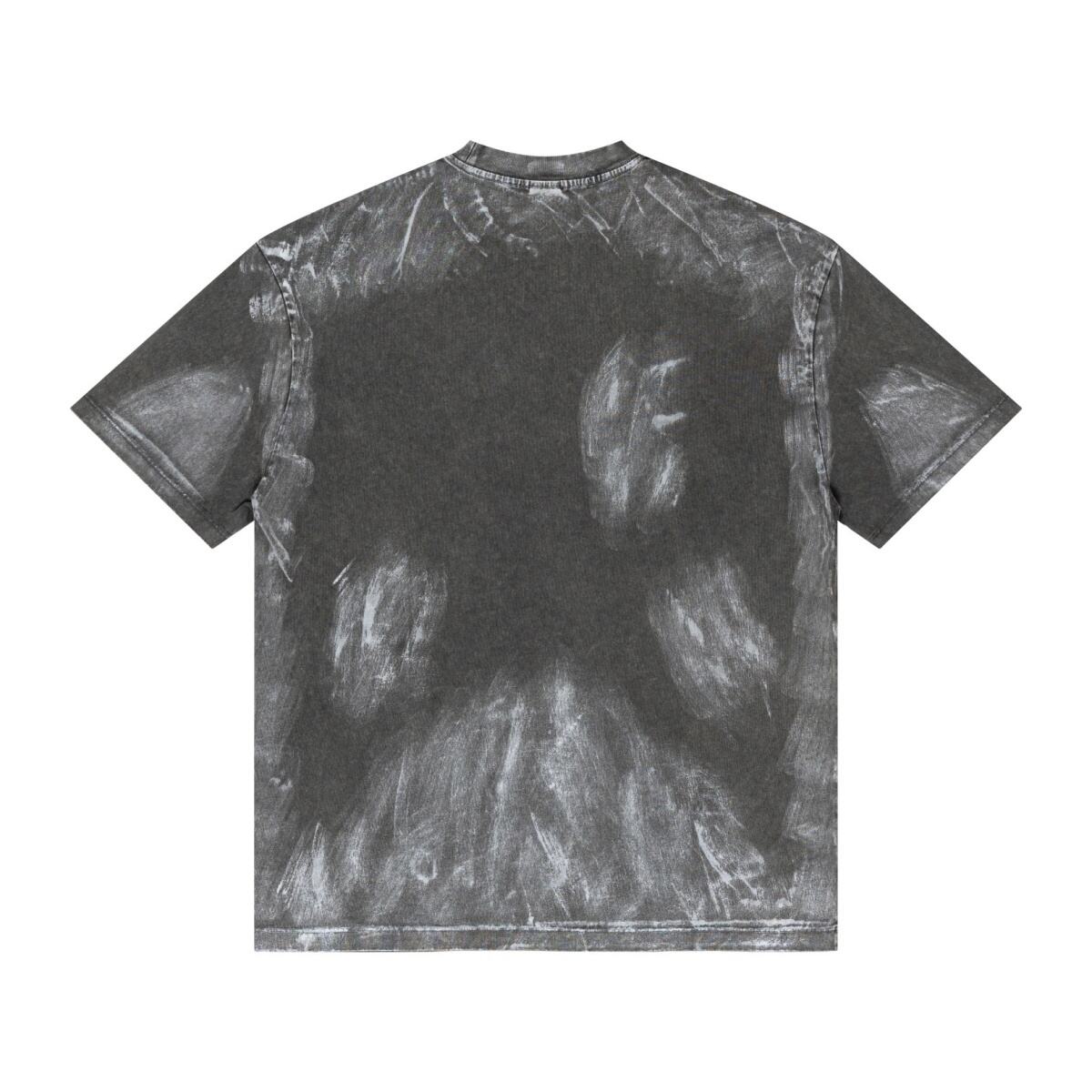
Building a strong brand identity through apparel starts with getting the details right, and a well-executed custom hoodie is one of the most powerful tools available to modern brands. Whether you are launching a streetwear label, creating branded merchandise for a business, or developing a seasonal collection, the custom hoodie you produce will directly reflect the quality and vision behind your brand. Getting it right requires deliberate planning across fabric selection, design execution, and manufacturing partnerships.
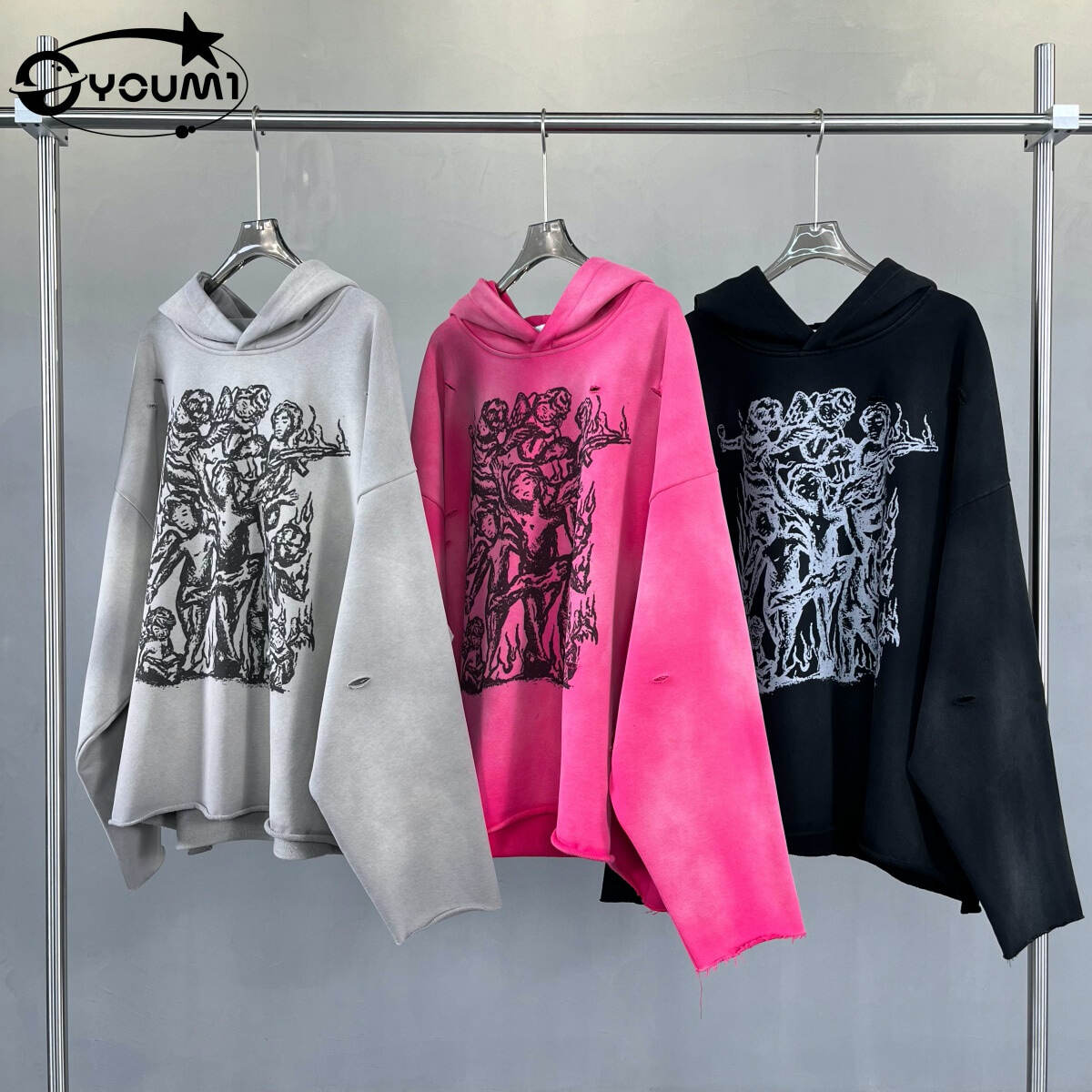
Creating a custom hoodie that meets high-quality standards is not simply about printing a logo on a blank garment. It involves understanding your target customer, defining the aesthetic direction of each custom hoodie, choosing the right materials, and working closely with skilled manufacturers who can translate your vision into a finished product. Every decision made during development shapes how wearable, durable, and commercially viable your custom hoodie ultimately becomes.
Defining the Foundation of Your Custom Hoodie
Selecting the Right Fabric Weight and Composition
The foundation of any high-quality custom hoodie is the fabric. Fabric weight, measured in GSM (grams per square meter), directly affects how a custom hoodie feels, drapes, and performs over time. A custom hoodie in the 300–380 GSM range offers a premium, heavyweight feel that is particularly popular in streetwear and lifestyle branding. Heavier fabric gives a custom hoodie more structure and durability, which communicates quality to the end customer. Cotton-polyester blends are a common choice because they balance softness, shape retention, and print compatibility, making them well-suited for a branded custom hoodie.
Beyond weight, consider whether your custom hoodie calls for brushed fleece, French terry, or a loopback construction. Brushed fleece creates the soft, warm interior that most customers expect from a quality custom hoodie. French terry offers a lighter feel that works well for transitional weather pieces. Choosing the correct fabric construction for your target market ensures that every custom hoodie you deliver meets real consumer expectations rather than just looking good in a product photo.
Establishing the Silhouette and Fit of Your Custom Hoodie
The silhouette of a custom hoodie sends an immediate signal about the brand positioning behind it. An oversized custom hoodie communicates a streetwear or youth-culture orientation, while a fitted custom hoodie reads as athletic or corporate. Decide early whether your custom hoodie will feature a boxy crop, a classic relaxed fit, or an oversized drop-shoulder cut, as this decision shapes every downstream pattern and construction choice. A well-defined fit spec sheet keeps your manufacturer aligned with your brand vision, ensuring that the custom hoodie produced matches your original design intent at every size in the range.
Design and Branding Your Custom Hoodie
Creating Print-Ready Artwork for a Custom Hoodie
Strong visual branding begins with properly prepared artwork. When designing a custom hoodie, your graphics should be created in vector format at the correct scale and color specification for the decoration technique you intend to use. Screen printing requires separated color files, while embroidery on a custom hoodie demands a digitized stitch file. DTG (direct-to-garment) printing allows more complex imagery, but the fabric composition of your custom hoodie must be compatible with the inks used. Preparing artwork correctly before production begins prevents costly revisions and ensures that your custom hoodie graphic reproduces accurately and consistently across large production runs.
Placement decisions also matter significantly when designing a custom hoodie. A centered chest print on a custom hoodie creates a bold, straightforward brand statement, while a left-chest placement reads as more refined and understated. Back prints on a custom hoodie allow larger graphic areas that can tell more of a brand story. Sleeve graphics and inside-neck branding details add polish to a custom hoodie and signal manufacturing attention to detail that discerning consumers recognize and appreciate.
Label and Packaging Details That Elevate a Custom Hoodie
A truly high-quality custom hoodie is defined not just by the outer garment but also by the finishing details. Custom woven labels, heat-transfer neck labels, and branded drawcord tips all contribute to the perceived premium quality of a custom hoodie. These details reinforce brand consistency and create an unboxing or in-store experience that supports your retail price point. Investing in custom packaging for your custom hoodie, such as branded poly bags or tissue wrapping, further strengthens the brand story and encourages social sharing among customers who receive your custom hoodie as a gift or online order.
Working With Manufacturers to Produce Your Custom Hoodie
Selecting a Manufacturing Partner for Your Custom Hoodie
Choosing the right production partner is one of the most consequential decisions in the custom hoodie development process. A capable manufacturer will offer OEM and ODM services, allowing you to develop an original custom hoodie pattern or adapt existing base styles to your specifications. Look for factories that provide pre-production samples, because seeing and wearing a physical sample of your custom hoodie before committing to a full production run can prevent expensive quality issues. Confirm that your manufacturer has experience producing the specific fabric weight and construction of your intended custom hoodie, as not all factories work across the same material ranges.
Communication and transparency are equally important when producing a custom hoodie at scale. A reliable manufacturer will provide clear lead times, accurate pricing per custom hoodie unit at your target order quantity, and documented quality control checkpoints throughout production. Request fabric swatch approvals and print strike-offs before the custom hoodie production begins, so that each variable is locked down ahead of the bulk run. Strong manufacturing relationships built on clear documentation and mutual accountability are what separate brands that consistently deliver great custom hoodie product from those that struggle with inconsistency.
Quality Control at Every Stage of Custom Hoodie Production
Quality control for a custom hoodie should begin at the raw material stage and continue through cutting, sewing, decoration, and final packing. Inspect fabric rolls for weight consistency and defects before a single custom hoodie is cut. Check seam construction, stitching density, and zipper or drawcord integrity at the in-line inspection stage. Final inspection of each finished custom hoodie should confirm graphic placement accuracy, label attachment, and overall garment measurements against your approved spec. Brands that implement structured quality control at every production stage deliver a custom hoodie that earns customer loyalty and protects brand reputation over time.
FAQ
What GSM is best for a premium custom hoodie?
A custom hoodie in the 300–380 GSM range is generally considered premium. This weight provides the structured, substantial feel that signals quality to customers and holds up well through repeated washing, making it a strong choice for any branded custom hoodie line.
How many units do I need to order for a custom hoodie production run?
Minimum order quantities for a custom hoodie vary by manufacturer, but most OEM factories require between 50 and 200 units per colorway per style. Discussing your target quantity early with your manufacturer helps determine which custom hoodie styles and decoration techniques are feasible within your budget.
Can I create a fully original custom hoodie design or only modify existing styles?
Yes, most experienced manufacturers offer full OEM development, meaning you can create a completely original custom hoodie from scratch using your own pattern and spec. Alternatively, ODM services let you adapt an existing custom hoodie base style, which reduces development time and cost while still delivering a branded, unique product.