
 EN
EN



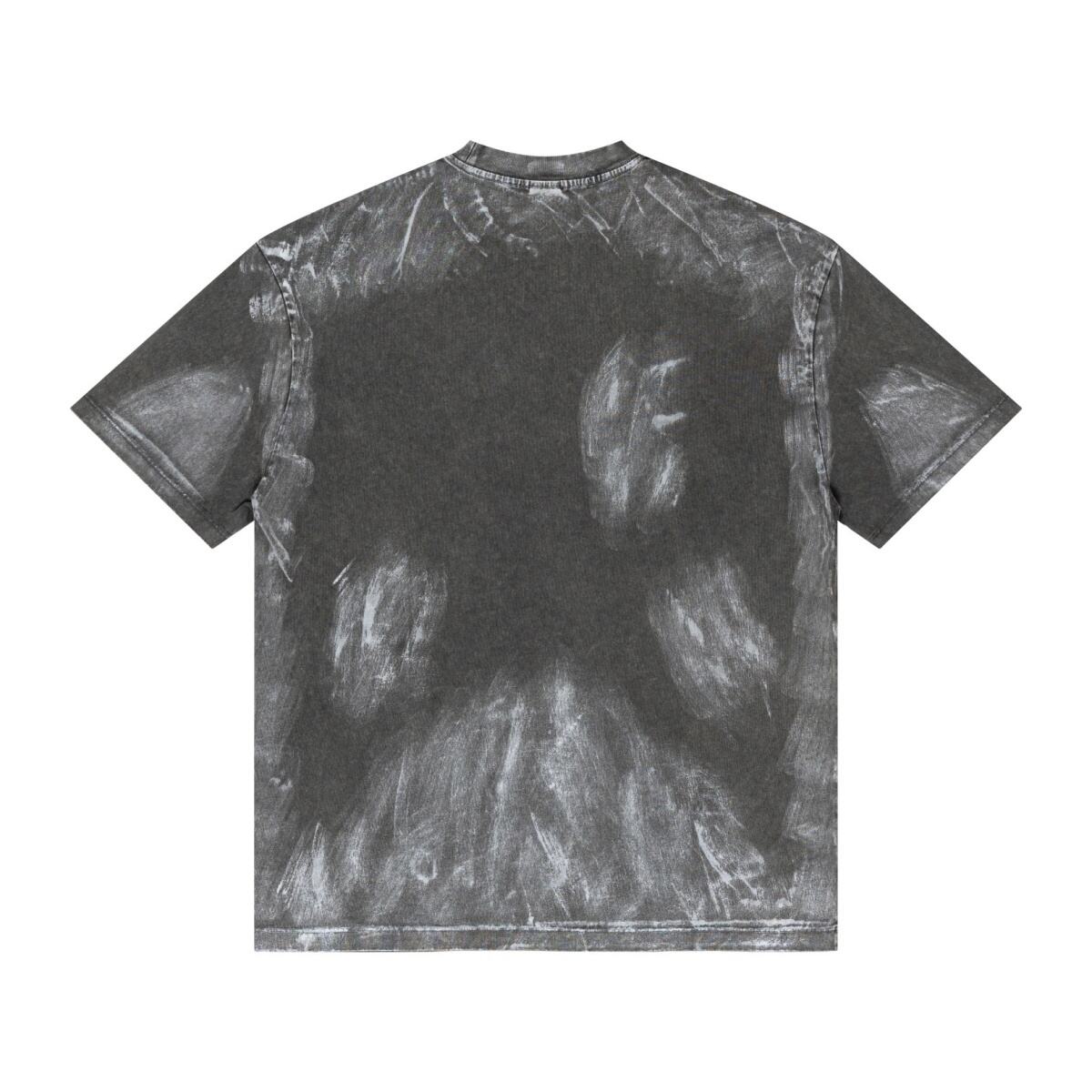
Choosing the right production partner is one of the most consequential decisions a brand can make. When global labels and fast-growing retail companies evaluate their supply chain, they do not simply look for the lowest price. They look for a custom clothing manufacturer that can deliver certified quality, consistent output, and the flexibility to scale. Understanding why established brands place their trust in a qualified custom clothing manufacturer reveals what separates a reliable long-term partner from a disposable vendor.
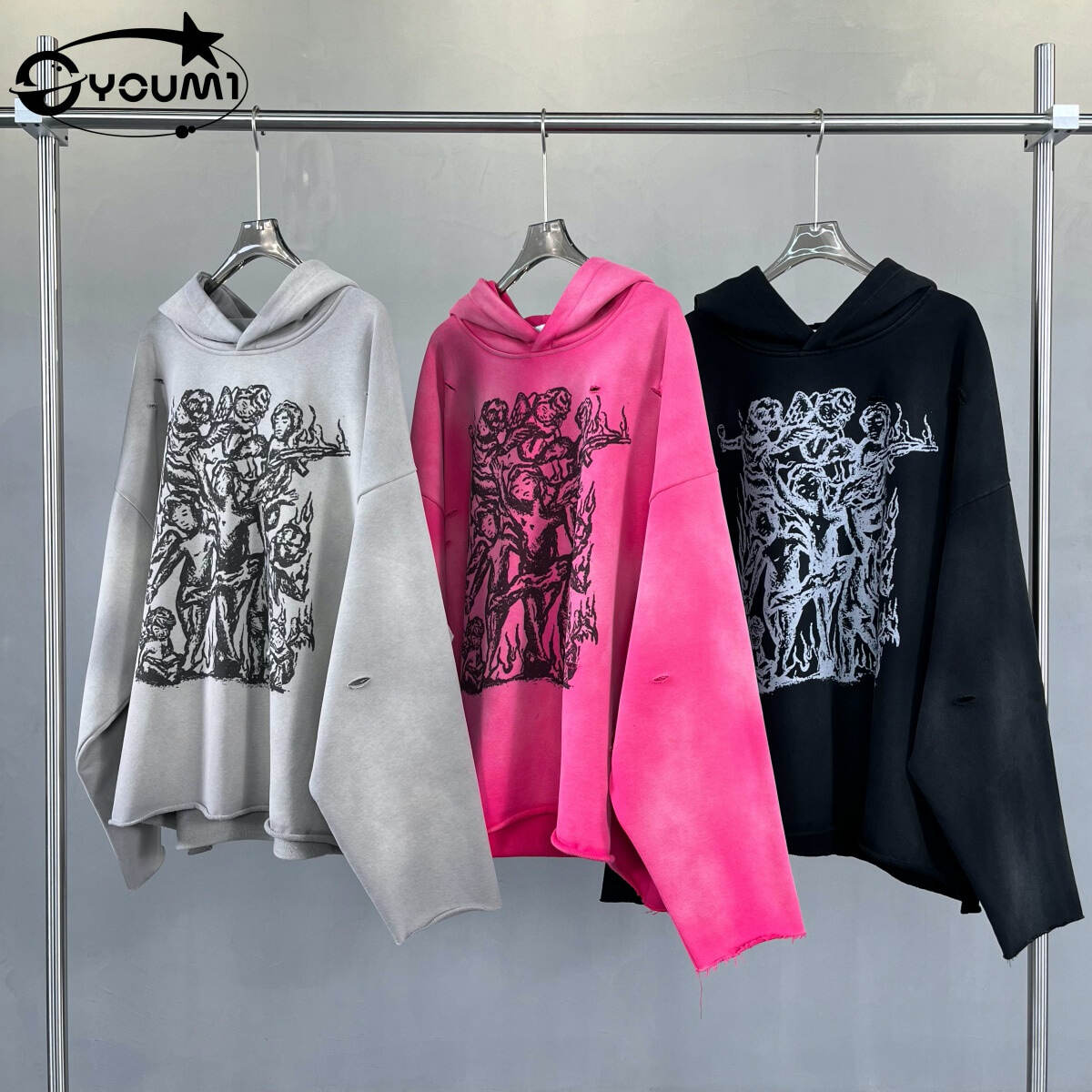
Big brands operate under enormous pressure. They must maintain product quality across thousands of units, meet strict retail compliance requirements, and protect their reputation in a competitive market. A certified custom clothing manufacturer answers each of these demands with verifiable standards, structured workflows, and traceable production systems. This article explores the core reasons why brands of all sizes consistently return to a trusted custom clothing manufacturer and what qualities define that trust.
Certification as the Foundation of Brand Confidence
What Certification Means in Apparel Manufacturing
Certification in the apparel industry is not a marketing label. It is a documented proof that a custom clothing manufacturer operates under internationally recognized standards for quality management, ethical labor practices, and environmental responsibility. When a brand partners with a certified custom clothing manufacturer, it gains access to production audits, compliance documentation, and performance benchmarks that protect the brand from costly recalls or reputational damage.
A certified custom clothing manufacturer typically holds credentials such as ISO quality management certification, OEKO-TEX fabric safety standards, or BSCI social compliance audits. These credentials signal that the custom clothing manufacturer has invested in building systems, not just capabilities. For big brands that answer to retail buyers and end consumers, this level of assurance is non-negotiable. Every certified custom clothing manufacturer that holds these standards provides brands with defensible proof of due diligence across their supply chain.
How Certification Reduces Brand Risk
Working with a non-certified custom clothing manufacturer introduces unpredictable variables into a brand's production cycle. Fabric inconsistency, sizing deviations, and labor violations can surface without warning and create expensive problems. A certified custom clothing manufacturer eliminates most of these risks through standardized processes, regular third-party audits, and corrective action protocols that are built into daily operations. For brands managing seasonal collections or high-volume replenishment programs, this reliability is what makes a certified custom clothing manufacturer the only viable choice.
Capabilities That Support Brand-Level Demands
Full-Spectrum Customization and OEM Services
Big brands require more than basic garment production. They need a custom clothing manufacturer that can handle original design interpretation, fabric sourcing, trims, labels, washed finishes, and packaging all under one roof. A full-service custom clothing manufacturer reduces coordination complexity and shortens the time from concept approval to final delivery. This integrated capability is one of the strongest reasons why experienced brands consistently trust the same custom clothing manufacturer across multiple product categories and seasonal lines.
Specialized production capabilities such as heavy-weight fleece construction, garment dyeing, distressed finishing, and oversized silhouette development require a custom clothing manufacturer with both technical skill and pattern development expertise. When a brand launches a premium streetwear line or an elevated basics collection, they need a custom clothing manufacturer that can execute complex specifications with precision. The ability to produce 350 GSM hoodies with accurate shrinkage control, for example, is a technical benchmark that separates an elite custom clothing manufacturer from an entry-level facility.
Scalability Without Quality Compromise
Scalability is a core concern for any growing brand. A reliable custom clothing manufacturer must maintain the same quality standards whether producing 300 units or 30,000 units. Big brands have learned from experience that some manufacturers perform well on small orders but deteriorate on large ones. A trusted custom clothing manufacturer has invested in production line management, QC checkpoints, and workforce training to ensure that quality does not slip as volume increases. This scalability is precisely why big brands commit to long-term relationships with a proven custom clothing manufacturer rather than sourcing opportunistically.
Partnership Values That Drive Long-Term Trust
Transparency and Communication in Production
Trust between a brand and its custom clothing manufacturer is built through consistent, honest communication. A reliable custom clothing manufacturer provides real-time production updates, proactively flags material delays, and presents solutions rather than excuses when problems arise. Big brands that manage multiple product lines across tight delivery windows cannot afford to work with a custom clothing manufacturer that goes silent during production or delivers surprises at shipment. Transparent communication transforms a custom clothing manufacturer from a vendor into a genuine production partner.
Dedicated account management, sample approval workflows, and structured production timelines are practices that a professional custom clothing manufacturer uses to keep brand teams informed and in control. When a custom clothing manufacturer operates with this level of structural discipline, brands can focus on design, marketing, and retail relationships instead of chasing factory updates. This operational clarity is a defining reason why large brands build lasting commitments with a chosen custom clothing manufacturer.
Ethical and Sustainable Production Practices
Today's major retail brands face increasing scrutiny over the ethics and sustainability of their supply chains. Partnering with a custom clothing manufacturer that upholds fair labor standards, minimizes waste, and uses responsibly sourced materials directly supports a brand's public commitments. A certified custom clothing manufacturer that holds recognized social compliance credentials gives brands the documentation needed to respond to retailer audits, ESG reporting requirements, and consumer transparency demands. The alignment between a brand's values and its custom clothing manufacturer's practices is no longer optional. It is a competitive necessity that shapes buyer confidence at every level of the market.
FAQ
What makes a custom clothing manufacturer 'certified'?
A certified custom clothing manufacturer has completed independent third-party audits verifying compliance with quality, safety, labor, or environmental standards. Common certifications include ISO 9001, OEKO-TEX, and BSCI. These credentials confirm that the custom clothing manufacturer follows structured systems rather than informal practices.
How do I know if a custom clothing manufacturer can handle my brand's volume?
Ask the custom clothing manufacturer for references from clients with similar order volumes, and request a factory capacity overview. A credible custom clothing manufacturer will provide production capacity data, lead time estimates, and details on how quality control is maintained as order size increases.
Why do big brands prefer a long-term relationship with one custom clothing manufacturer?
Long-term relationships with a single custom clothing manufacturer reduce onboarding time, lower sample rejection rates, and improve production accuracy over time. The custom clothing manufacturer learns the brand's specifications, preferred fabrics, and fit standards deeply, which results in faster approvals and fewer costly corrections across every new season.