
 EN
EN



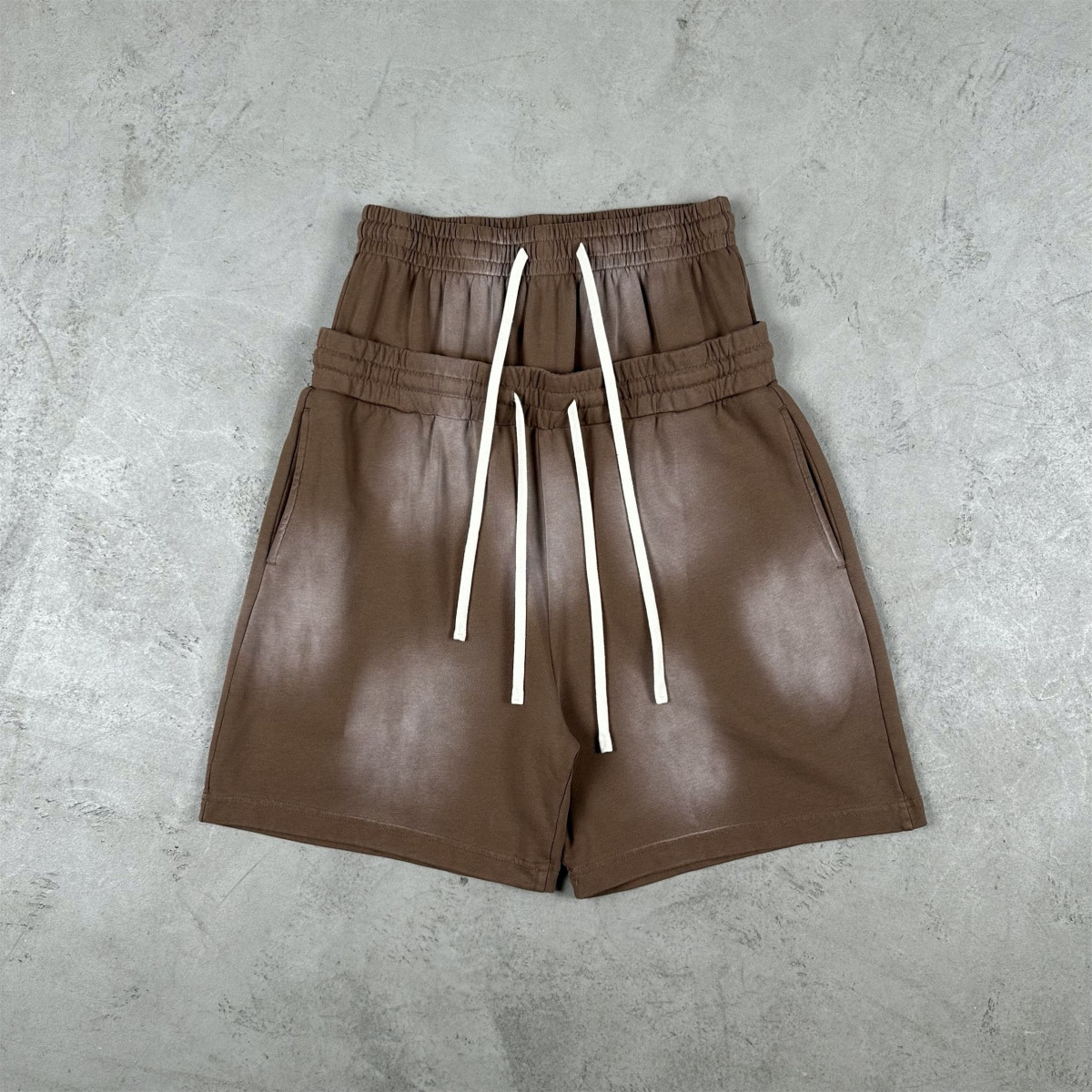
When brands invest in summer wear, the visual appeal of their products carries enormous weight. For any business producing custom shorts, color fastness is not a secondary concern — it is a foundational quality standard. Custom shorts exposed to summer sun, sweat, seawater, and frequent washing must maintain their color integrity from the first wear to the hundredth. Brands that overlook color fastness in their custom shorts production quickly discover that fading fabrics translate directly into fading customer trust.
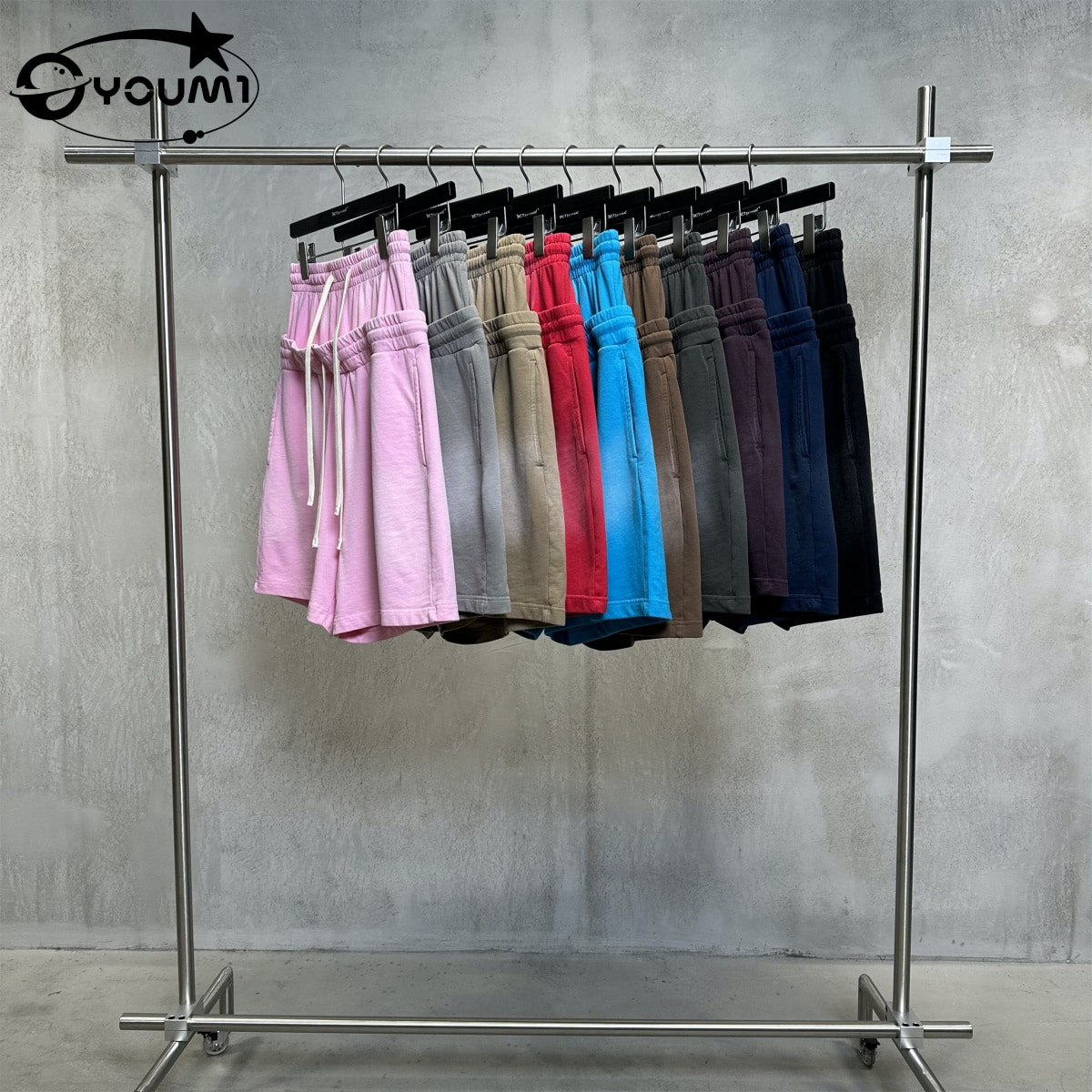
Color fastness refers to the ability of a fabric's dye to resist fading or bleeding under various stress conditions. For custom shorts designed specifically for summer use, these stress conditions are extreme. Heat, UV radiation, chlorine, salt water, and perspiration all attack the dye molecules in the fabric. Understanding why color fastness must be prioritized when producing custom shorts helps brands make smarter decisions about fabric selection, dyeing processes, and quality control protocols before a single garment ships to the consumer.
The Summer Environment and Its Impact on Custom Shorts
How Heat and UV Exposure Degrade Color in Custom Shorts
Summer wear custom shorts face relentless UV exposure. Ultraviolet radiation breaks down the molecular bonds that hold dye to fabric fibers, causing the rich, vibrant colors of custom shorts to shift, dull, or fade unevenly over time. This degradation is particularly severe in outdoor settings where wearers spend extended hours in direct sunlight. Custom shorts made from materials with insufficient dye fixation will show visible fading after only a handful of wears, creating a perception of low quality regardless of the garment's construction.
High temperatures also accelerate dye migration. When custom shorts are stored or worn in heat, poorly fixed dyes can bleed onto skin, other garments, or accessories. This is especially problematic for darker-colored custom shorts where color transfer is immediately visible. Brands producing summer custom shorts must require their manufacturers to use reactive or pigment dyes with proven heat stability to prevent these outcomes.
Sweat, Water, and Washing Resistance in Custom Shorts
Custom shorts worn in summer are regularly saturated with sweat, splashed with pool water, or submerged at the beach. Each of these exposures tests the dye's resistance in a different way. Perspiration is mildly acidic and can accelerate dye breakdown in custom shorts that use substandard dyeing processes. Chlorinated pool water is particularly aggressive, bleaching color from custom shorts far faster than regular washing would. Brands that supply custom shorts to active, outdoor-focused consumers must account for all these exposure types during the development stage.
Wash fastness is equally critical. Custom shorts are washed frequently during summer seasons, and each wash cycle introduces friction, detergent chemicals, and agitation. Custom shorts with poor wash fastness will visibly degrade within weeks. By contrast, custom shorts produced with high-quality dye fixation processes retain their original color through dozens of wash cycles, maintaining the brand's visual standards and the customer's satisfaction throughout the product's useful life.
Brand Reputation and the Business Case for Color-Fast Custom Shorts
Customer Retention Starts with Product Durability in Custom Shorts
From a B2B perspective, color fastness in custom shorts is directly tied to repeat business and brand reputation. When an end customer receives custom shorts that fade rapidly, their dissatisfaction reflects not only on the retailer but on every business in the supply chain. Wholesale buyers, distributors, and brand owners who source custom shorts must treat color fastness as a non-negotiable specification rather than an optional quality bonus. A single batch of poorly dyed custom shorts can generate a wave of returns, negative reviews, and lost reorders that far outweigh the cost savings from cheaper dyeing methods.
Color consistency also matters when custom shorts are produced in multiple colorways or seasonal releases. Brands that introduce new shades each summer rely on their custom shorts maintaining those specific tones accurately over time. Custom shorts that shift color after washing make it impossible to maintain a coherent product line. This consistency requirement reinforces why investing in proper dye processes for custom shorts is a strategic brand decision, not merely a technical one.
Quality Standards and Testing for Custom Shorts
Serious manufacturers of custom shorts use standardized testing protocols to verify color fastness before production approval. Tests such as ISO 105 or AATCC standards measure a fabric's resistance to washing, rubbing, light, and perspiration. Brands sourcing custom shorts should request these test results as part of their quality documentation. Custom shorts that pass multiple color fastness categories — wash, rub, light, and sweat — provide reliable performance across every summer scenario the wearer might encounter.
Brands ordering custom shorts in bulk should also request color fastness testing for both wet and dry rubbing. Wet rub fastness is especially relevant for custom shorts since summer activities routinely involve moisture contact. Custom shorts that score high on wet rub tests are far less likely to stain seat cushions, towels, or the wearer's skin — a critical consideration for any brand with quality-conscious customers.
Fabric and Dye Selection for Durable Custom Shorts
Why 100% Cotton Custom Shorts Require Special Dyeing Attention
Cotton is the most popular fiber choice for summer custom shorts because of its breathability and comfort. However, cotton also presents specific challenges for color fastness. Natural fibers like cotton have an open structure that absorbs dye readily but can release it just as easily under stress. Custom shorts made from 100% cotton must use reactive dye processes with thorough fixation and washing steps to achieve acceptable color fastness ratings. Skipping or shortcutting these steps in the dyeing process produces custom shorts that appear vibrant initially but fade rapidly in real-world use.
Sun-faded or washed aesthetics are currently trending for custom shorts, particularly in streetwear and casual summer collections. Even when a distressed look is intentional, the degree of fading must be controlled and stabilized during production. Custom shorts with a sun-faded design should be treated so that subsequent washes do not continue to degrade the color unpredictably. Achieving a controlled vintage aesthetic in custom shorts requires precise dyeing chemistry and thorough post-treatment fixation — skills that distinguish high-quality custom shorts manufacturers from lower-tier producers.
Double-Layer Construction and Color Fastness in Custom Shorts
Double-layer custom shorts introduce an additional complexity for color fastness. When two fabric layers are dyed separately and assembled, any variation in dye uptake or fastness between the layers can result in visible color mismatch over time. Premium custom shorts manufacturers ensure that both layers of double-layer custom shorts receive consistent dyeing treatment so that the garment ages uniformly. This level of attention is what separates professionally produced custom shorts from mass-market alternatives that cut corners in construction and finishing.
FAQ
What color fastness rating should I require for summer custom shorts?
For summer wear custom shorts, a minimum rating of 4 on ISO 105 or AATCC scales for wash fastness, light fastness, and perspiration resistance is generally recommended. Custom shorts intended for heavy outdoor or beach use should ideally achieve ratings of 4 to 5 across all tested categories to ensure durability under real summer conditions.
Does the dyeing method affect the final look of custom shorts?
Yes. The dyeing method significantly influences both the color appearance and longevity of custom shorts. Reactive dyeing on cotton-based custom shorts delivers vibrant, deep tones with superior wash fastness compared to direct dyeing methods. For custom shorts with a sun-faded or washed aesthetic, garment dyeing and enzyme washing techniques are used, but stabilization steps are critical to prevent continued uncontrolled fading after purchase.
How can I verify color fastness before placing a bulk order for custom shorts?
Request lab test reports from your manufacturer covering ISO 105 or AATCC color fastness standards for washing, rubbing, light exposure, and perspiration. Ask for pre-production samples of the custom shorts and conduct your own wash tests before approving bulk production. Reliable manufacturers of custom shorts will proactively provide this documentation as part of their standard quality assurance process.