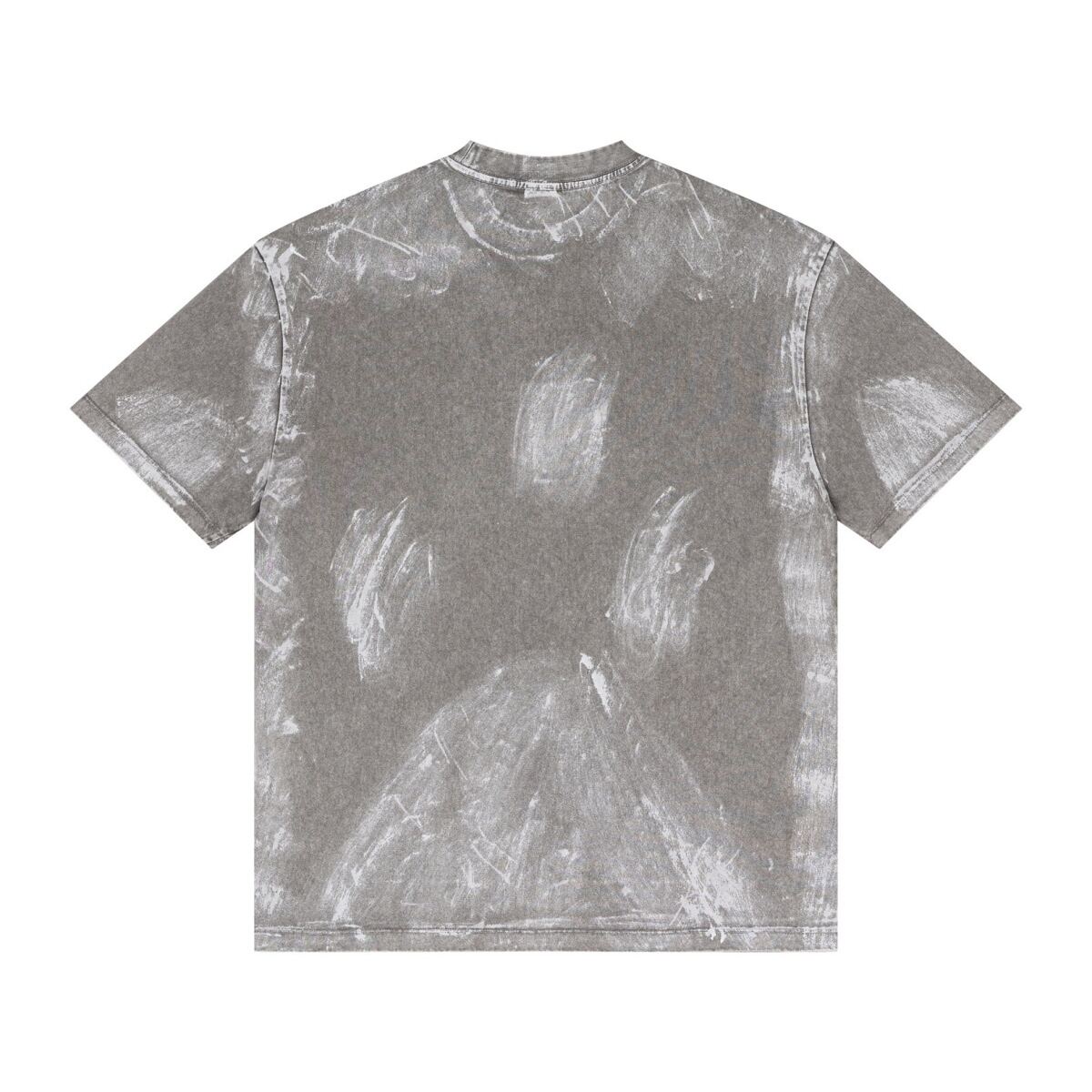
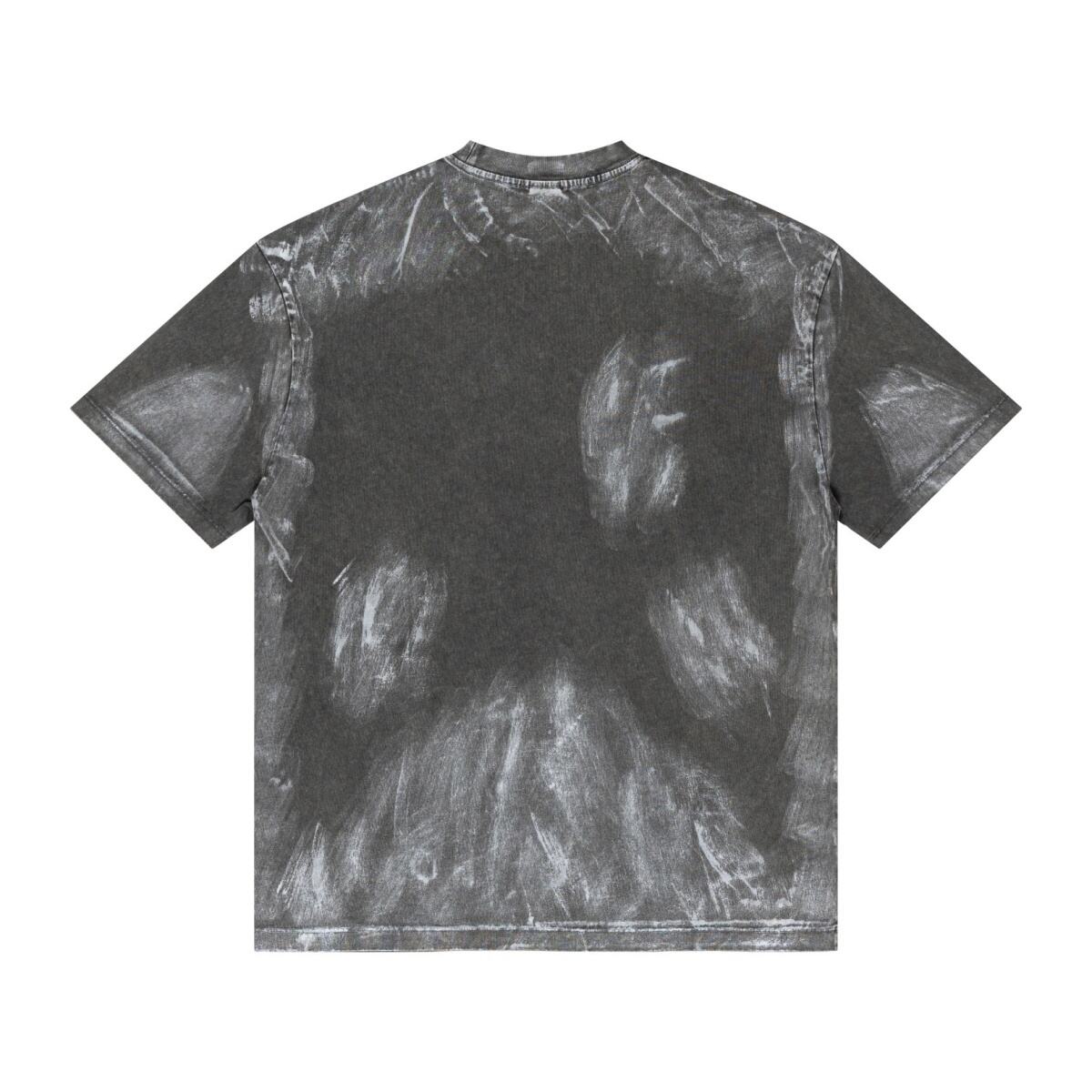
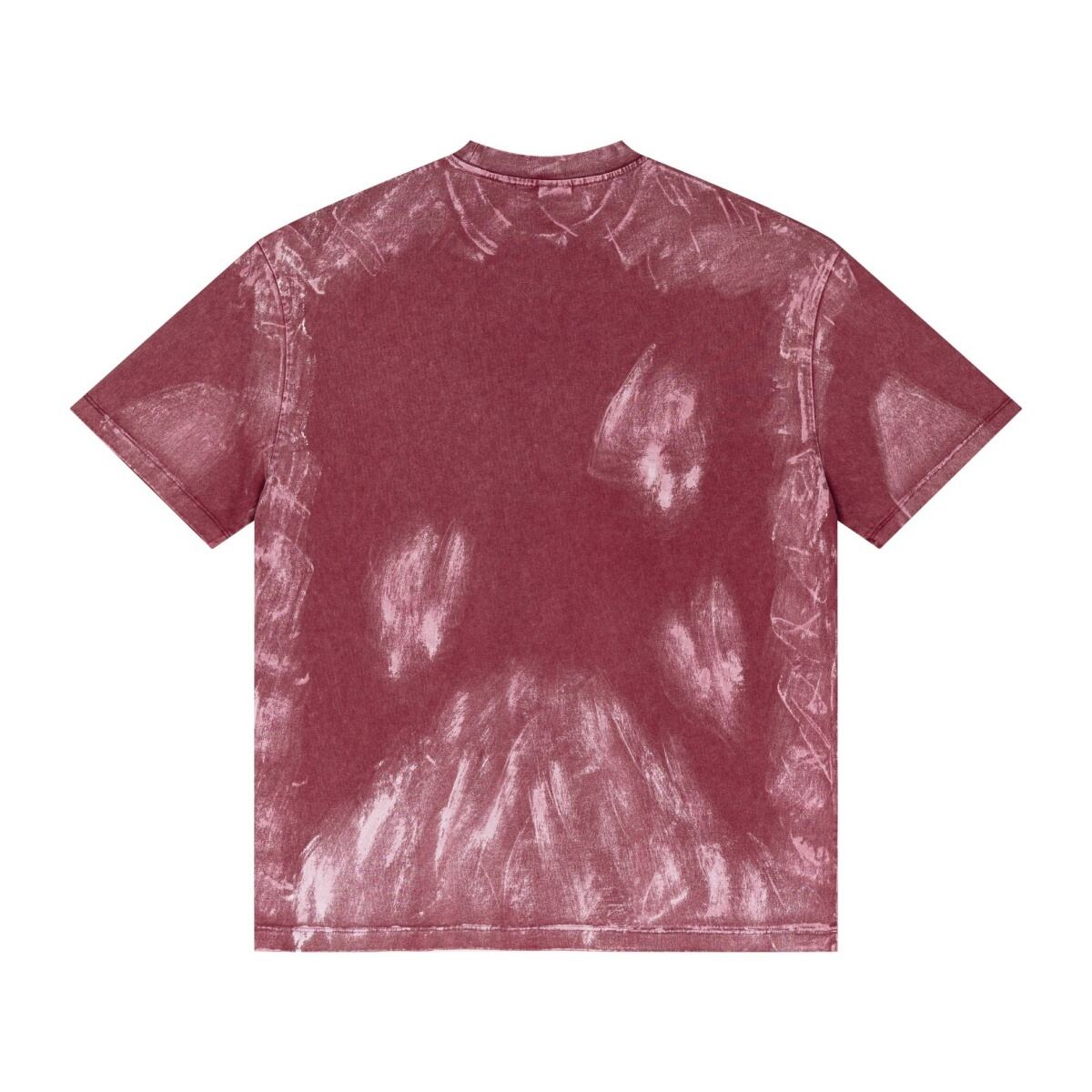
Small Scale Garment Factory Solutions for Brands

Get a Free Quote

Our representative will contact you soon.
Email
Name
Company Name
Message
0/1000

small scale garment factory

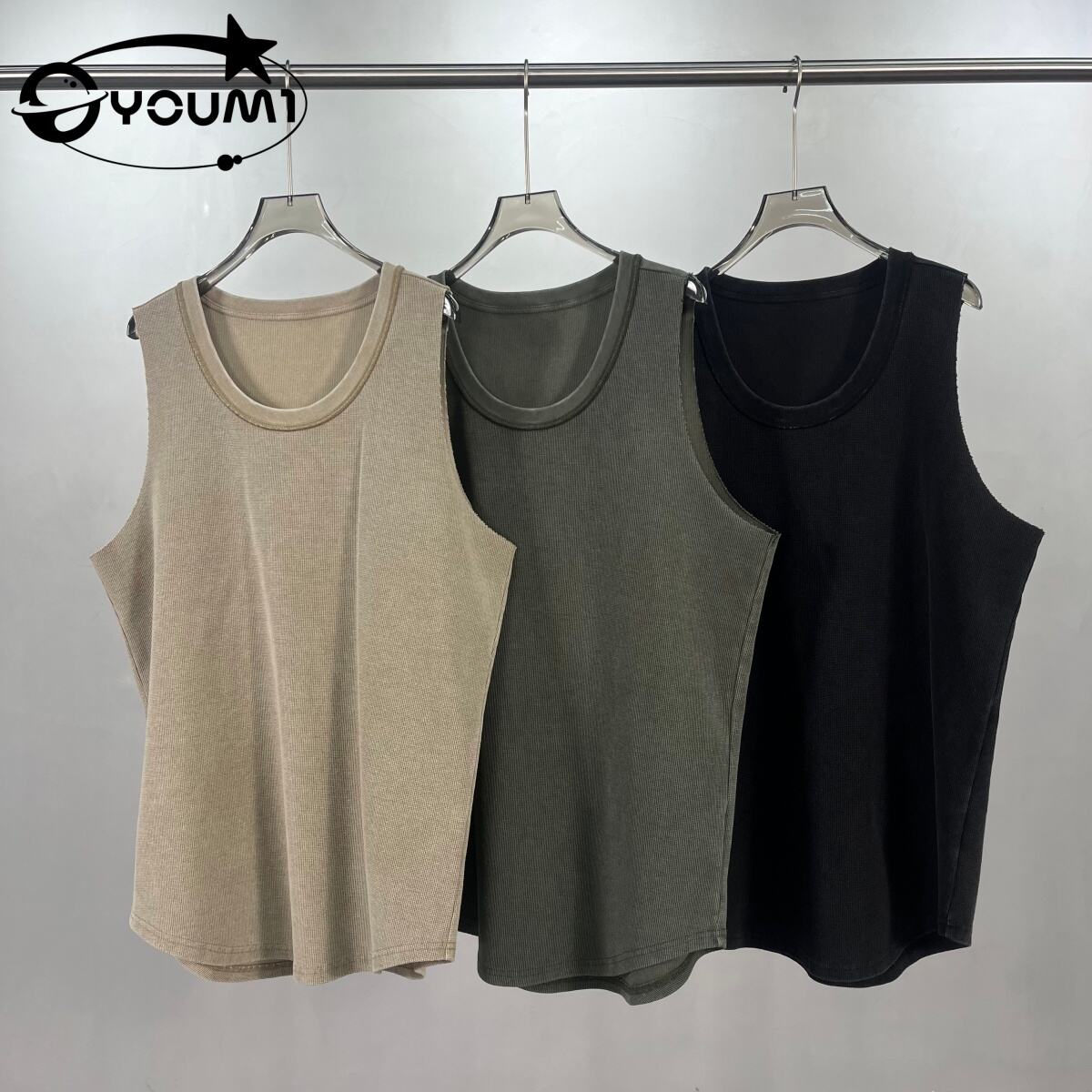
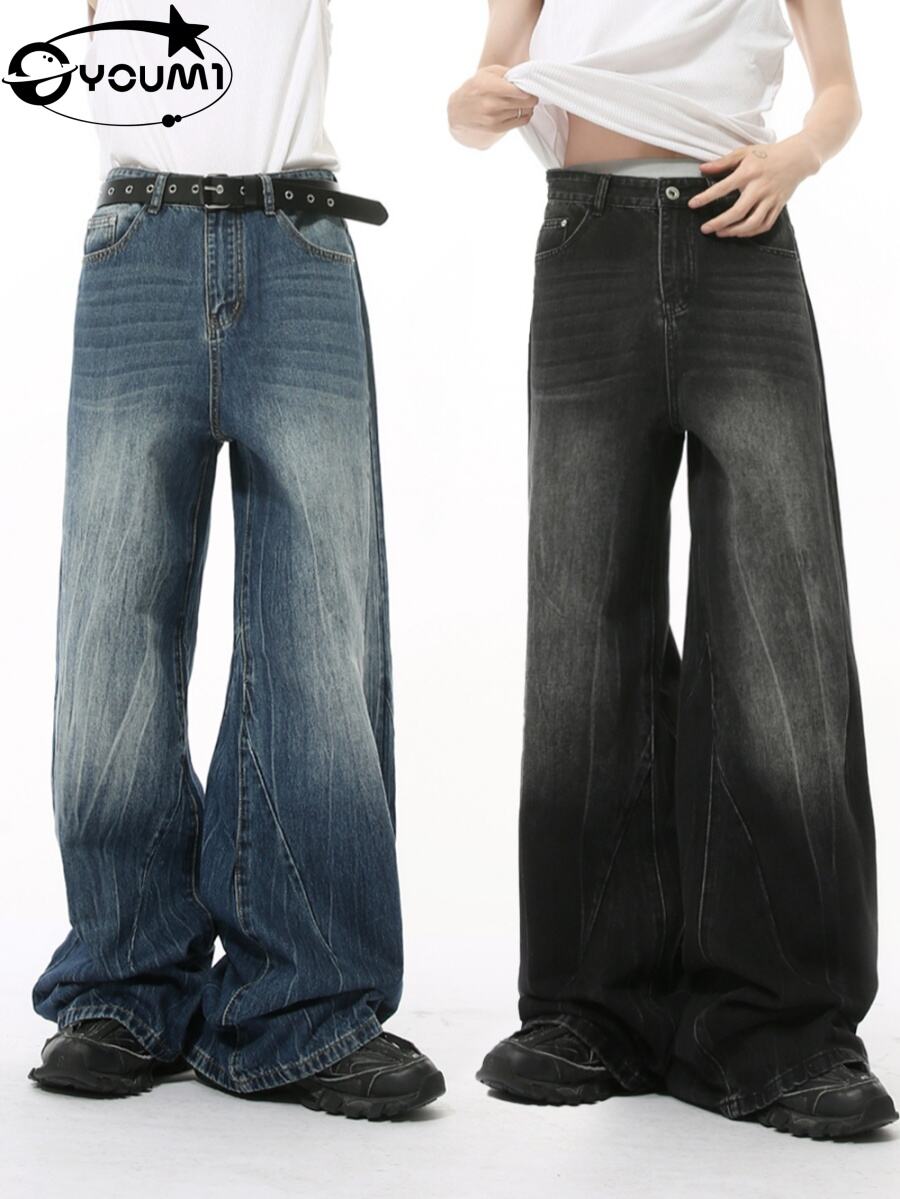
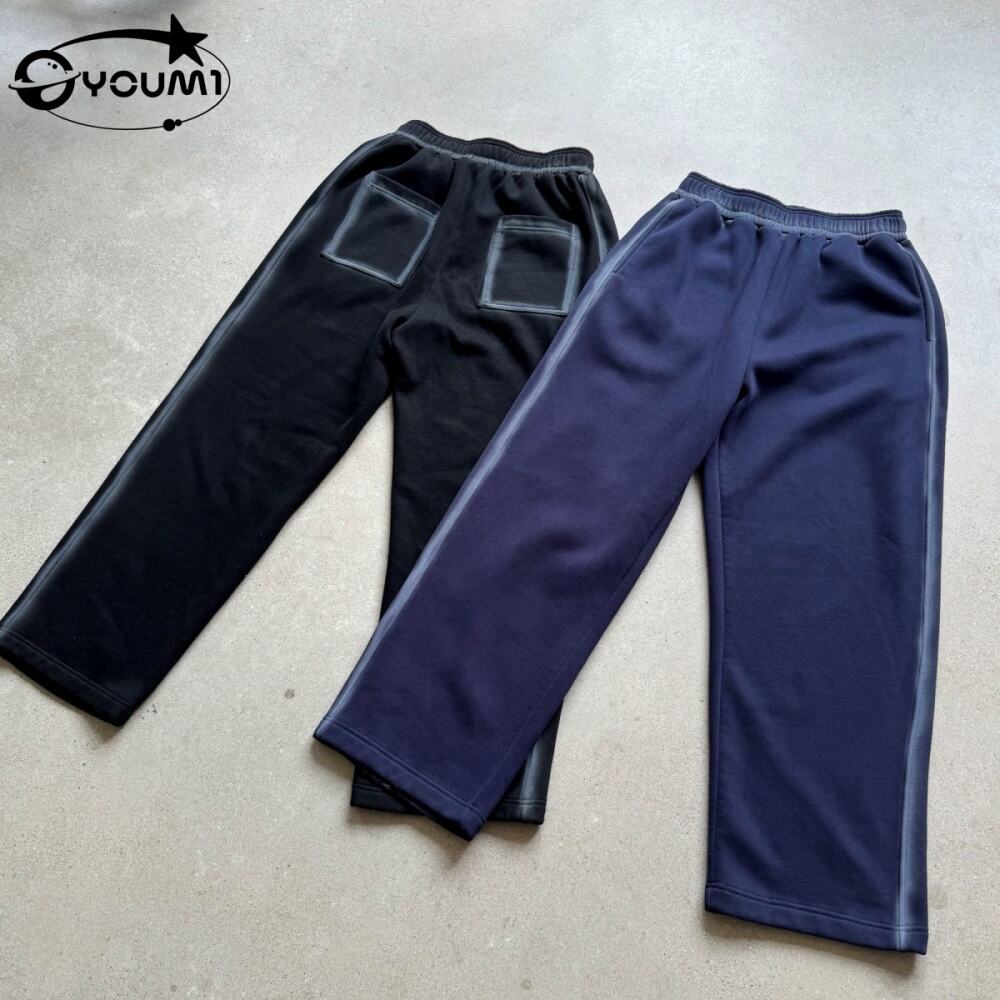
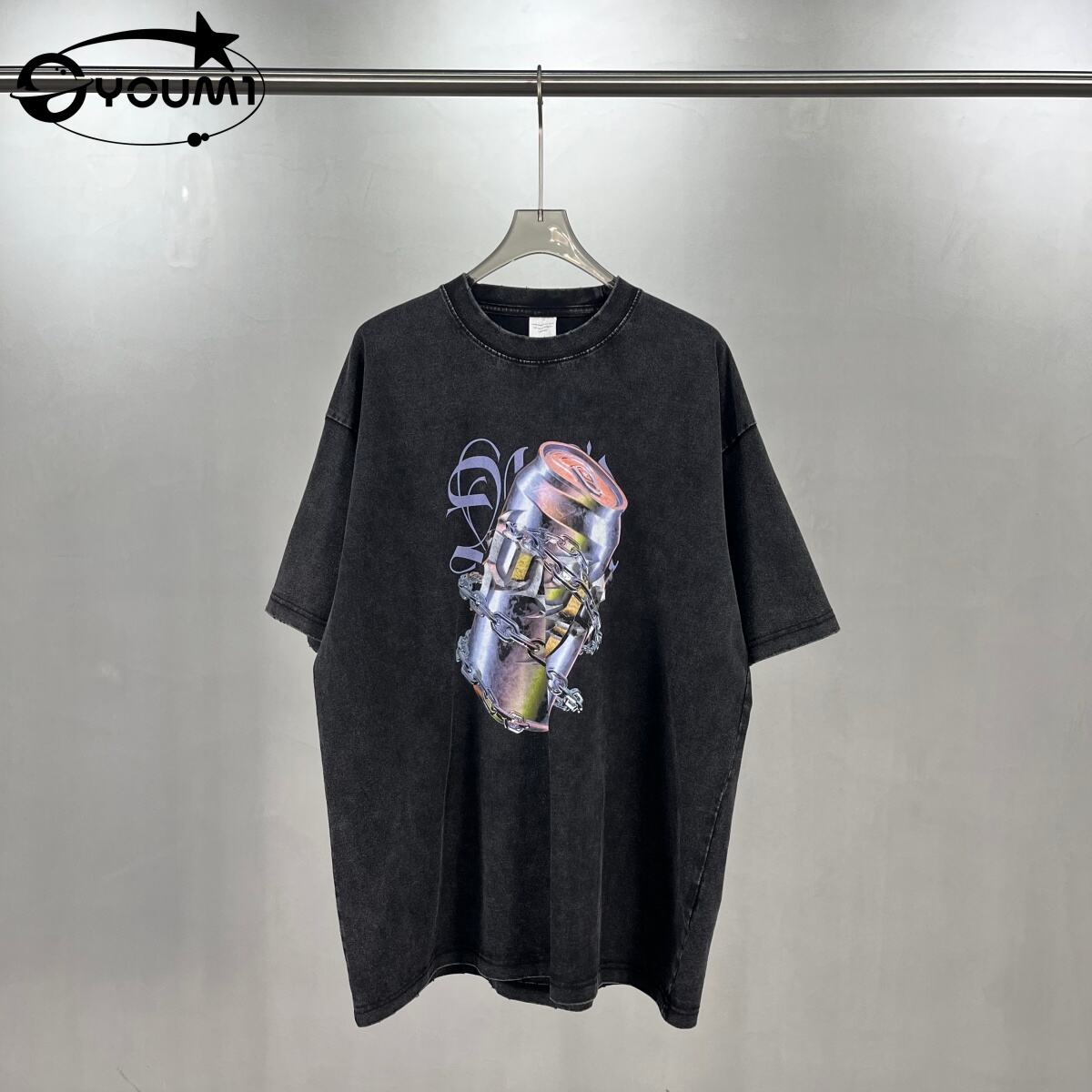
A small scale garment factory represents a flexible manufacturing solution designed for entrepreneurs, startups, and boutique brands seeking to produce clothing without the massive infrastructure of industrial operations. This type of facility typically employs between 10 to 50 workers and focuses on producing limited batches ranging from 100 to 5,000 units per order. The small scale garment factory operates with streamlined production lines that include cutting tables, industrial sewing machines, overlock machines, pressing equipment, and quality control stations. Modern facilities integrate computer-aided design software and digital pattern making systems to enhance precision and reduce material waste. These factories specialize in various garment categories including casualwear, activewear, children's clothing, and custom apparel, offering versatility that large-scale manufacturers often cannot match. The technological features of a small scale garment factory include modular production layouts that allow quick reconfiguration for different product types, sample development capabilities for prototyping, and shorter lead times that enable rapid market response. Applications span fashion startups testing new designs, established brands launching limited collections, corporate uniform production, and custom order fulfillment for niche markets. The factory model supports both full-service production from fabric sourcing to finished garments and cut-make-trim arrangements where clients provide materials. This manufacturing approach bridges the gap between home-based operations and large industrial facilities, providing professional quality output with personalized service and reasonable minimum order quantities that make fashion entrepreneurship accessible to more creators.

New Products

Choosing a small scale garment factory offers significant financial advantages for businesses that want to minimize upfront investment while maintaining production quality. Unlike massive manufacturing complexes requiring millions in capital, these facilities operate with lower overhead costs, translating to more competitive pricing for clients working with moderate order volumes. The flexibility inherent in these operations means you can test multiple designs without committing to thousands of units, reducing inventory risk and allowing data-driven decisions about which styles to scale. Production timelines are considerably shorter compared to large factories juggling numerous high-volume contracts, enabling you to respond quickly to market trends and seasonal demands. A small scale garment factory typically provides direct communication with production managers and quality supervisors, eliminating the frustration of dealing with multiple intermediaries who delay decisions and obscure accountability. This personalized attention ensures your specifications are understood and implemented correctly, resulting in fewer costly mistakes and remake scenarios. The operational structure supports customization and special requests that mass production facilities routinely reject as impractical, giving your brand distinctive features that differentiate products in competitive markets. These factories prove ideal for emerging designers building their customer base, established brands testing new categories, organizations requiring specialized workwear, and businesses pursuing ethical manufacturing with transparent supply chains. The combination of reasonable minimum orders, quality craftsmanship, faster turnaround, and direct oversight creates a production partnership rather than a transactional vendor relationship. Geographic proximity options mean many small scale garment factory operations exist locally or regionally, reducing shipping complexities and enabling in-person visits for sampling and production monitoring, which builds confidence and strengthens quality control throughout the manufacturing process.

Latest News

How Can an ODM Jeans Manufacturer Accelerate Your Product Launch?

17

Jun

How Can an ODM Jeans Manufacturer Accelerate Your Product Launch?

Bringing a new denim line to market is rarely a simple process. Between design conceptualization, fabric sourcing, sampling rounds, and production coordination, the timeline can stretch far beyond what most brands anticipate. Working with an ODM jean...
View More
How to Choose a Hoodie Manufacturer with Premium Craftsmanship?

05

Jun

How to Choose a Hoodie Manufacturer with Premium Craftsmanship?

Choosing the right hoodie manufacturer is one of the most consequential decisions a brand owner or retailer will make. A skilled hoodie manufacturer determines not only the quality of your finished product but also the reliability of your supply chai...
View More
Why Is Partnering with a Certified Streetwear Manufacturer Essential?

10

Jun

Why Is Partnering with a Certified Streetwear Manufacturer Essential?

Choosing the right production partner is one of the most critical decisions any streetwear brand will make. Working with a certified streetwear manufacturer is not simply a preference — it is a strategic necessity for brands that want to scale, prote...
View More
How Does full Custom Packaging Add Value to a Custom Beanie?

22

Jun

How Does full Custom Packaging Add Value to a Custom Beanie?

A custom beanie is far more than a knitted hat. It is a branded product that carries your company identity, your aesthetic vision, and your promise to the end customer. Yet many businesses invest heavily in designing the perfect custom beanie and the...
View More

Get a Free Quote

Our representative will contact you soon.
Email
Name
Company Name
Message
0/1000

small scale garment factory

Flexible Production Capacity for Growing Brands

Flexible Production Capacity for Growing Brands

The small scale garment factory excels at accommodating businesses in growth phases where order volumes fluctuate between seasons and market testing requires agility. Production lines can efficiently handle batches from 100 pieces to several thousand units, making this factory model perfect for brands that have outgrown home production but are not yet ready for the 10,000-unit minimums that large manufacturers demand. This flexibility extends beyond quantity to include style variety, allowing you to produce multiple designs within a single production run without incurring prohibitive setup fees. The factory can pivot between different garment types, fabric weights, and construction techniques with minimal downtime, supporting diverse product catalogs that keep your brand fresh and responsive. Seasonal collections, limited edition releases, and market test products all become financially viable when working with a small scale garment factory that understands the realities of building a brand incrementally. This production approach reduces the financial risk associated with overproduction while maintaining the professional quality standards that customers expect, creating a sustainable path from startup to established fashion business.
Superior Quality Control and Attention to Detail

Superior Quality Control and Attention to Detail

Operating a small scale garment factory inherently supports meticulous quality management because smaller batch sizes allow inspectors to examine higher percentages of finished goods and production supervisors can monitor each workstation more effectively. Unlike assembly lines producing thousands of identical items where defects get buried in volume, these facilities implement quality checkpoints at cutting, sewing, finishing, and packaging stages to catch issues before they become costly problems. Workers in these environments often develop specialized skills across multiple operations rather than performing one repetitive task, fostering pride in craftsmanship and accountability for final product quality. The factory structure encourages direct communication between sewers, pattern makers, and quality teams, creating collaborative problem-solving when construction challenges arise with new designs. Clients benefit from this quality-focused approach through lower defect rates, fewer customer returns, and products that accurately reflect approved samples. The small scale garment factory model prioritizes building long-term relationships through consistent quality delivery rather than maximizing throughput at the expense of standards, aligning manufacturer success directly with client satisfaction and brand reputation in the marketplace.
Rapid Turnaround and Market Responsiveness

Rapid Turnaround and Market Responsiveness

Time-to-market represents a critical competitive advantage in fashion and apparel industries where trends shift rapidly and seasonal windows close quickly. A small scale garment factory delivers significantly faster production cycles compared to large manufacturers managing complex scheduling across hundreds of clients and millions of units. From approved sample to finished inventory, these facilities typically complete orders in 3 to 6 weeks rather than the 3 to 6 months common with overseas mass production. This speed enables brands to capitalize on emerging trends, respond to unexpected demand spikes, and launch products aligned with social media momentum that drives contemporary fashion consumption. Shorter lead times also reduce forecasting risk because you are predicting customer preferences weeks rather than seasons in advance, improving inventory turns and cash flow management. The small scale garment factory can accommodate rush orders and expedited timelines when market opportunities arise, providing business agility that rigid production schedules cannot match. Additionally, proximity and communication efficiency mean design modifications and approvals happen in days rather than weeks, compressing the entire development timeline and allowing multiple product iterations within a single season to optimize market fit and maximize sales potential.
Small Scale Garment Factory Solutions for Brands

Get a Free Quote

Our representative will contact you soon.
Email
Name
Company Name
Message
0/1000