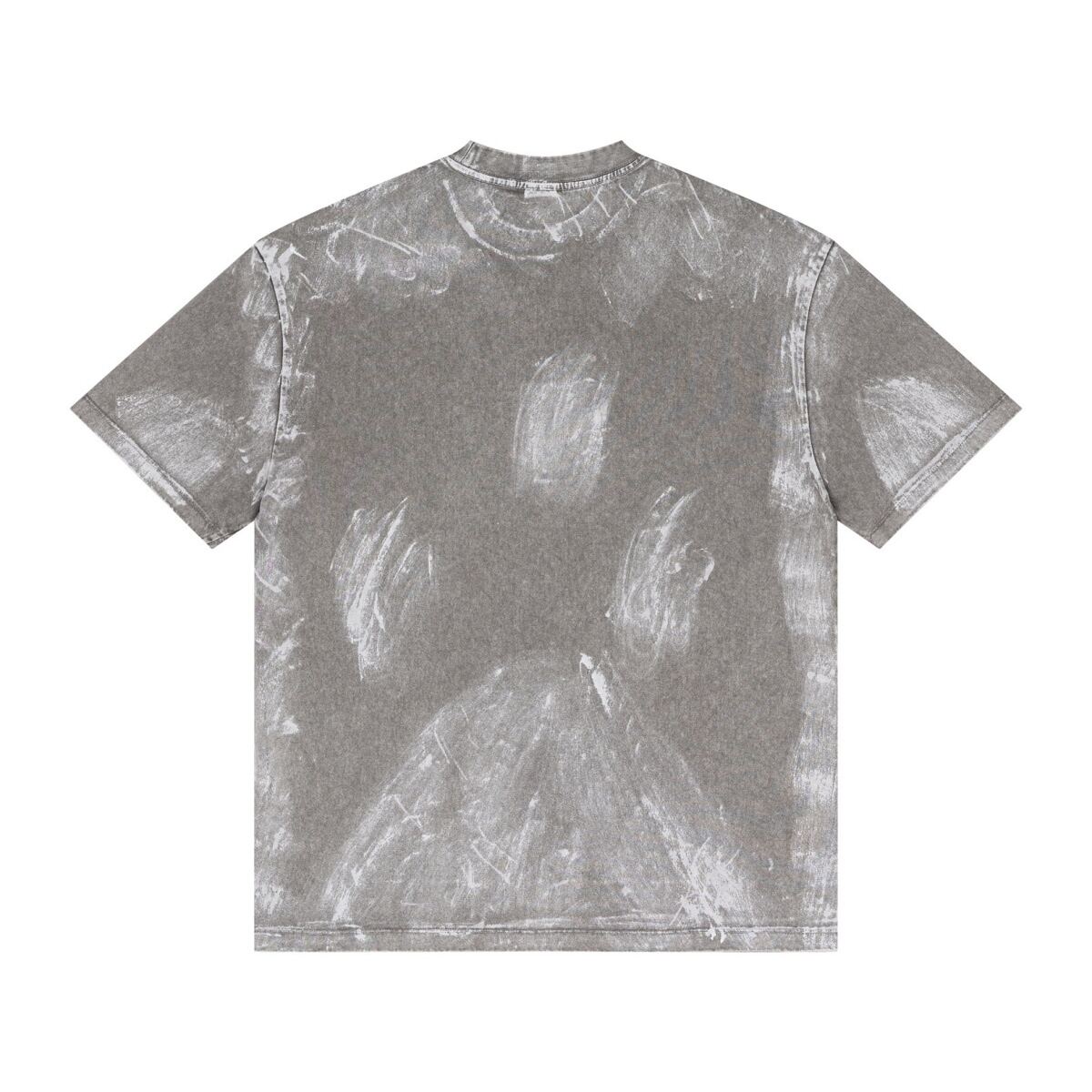
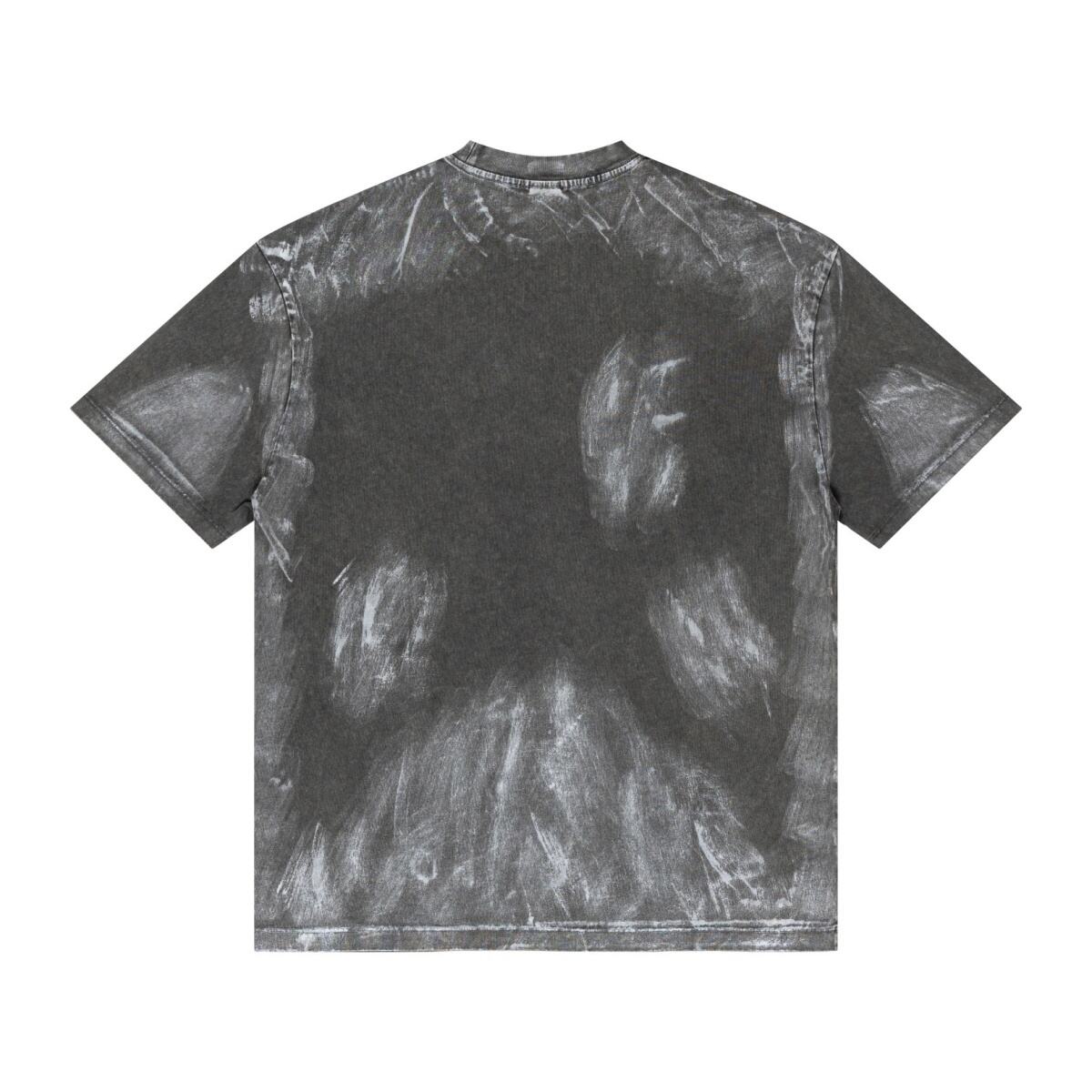
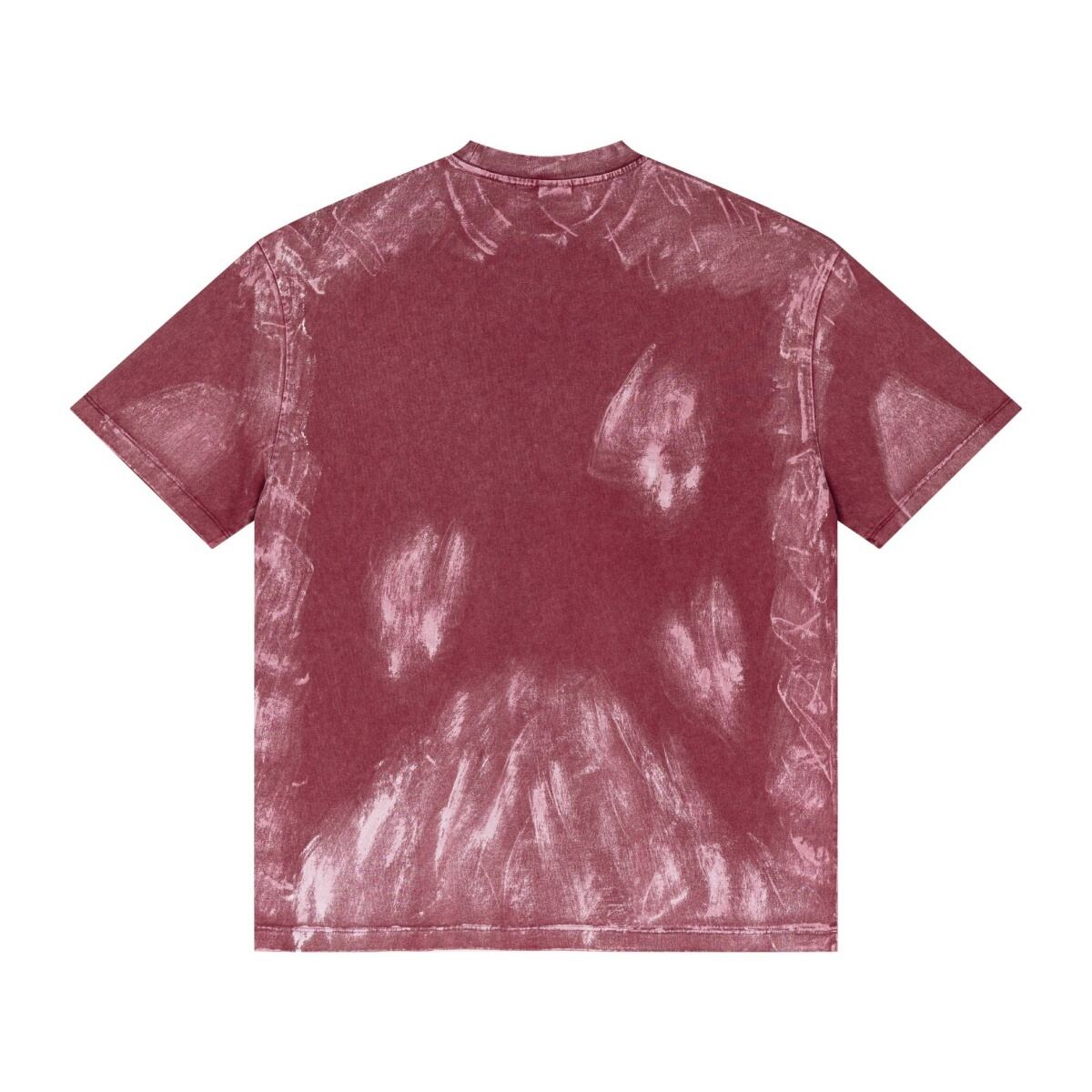
Clothing Manufacturing Factory Solutions

Get a Free Quote

Our representative will contact you soon.
Email
Name
Company Name
Message
0/1000

clothing manufacturing factory

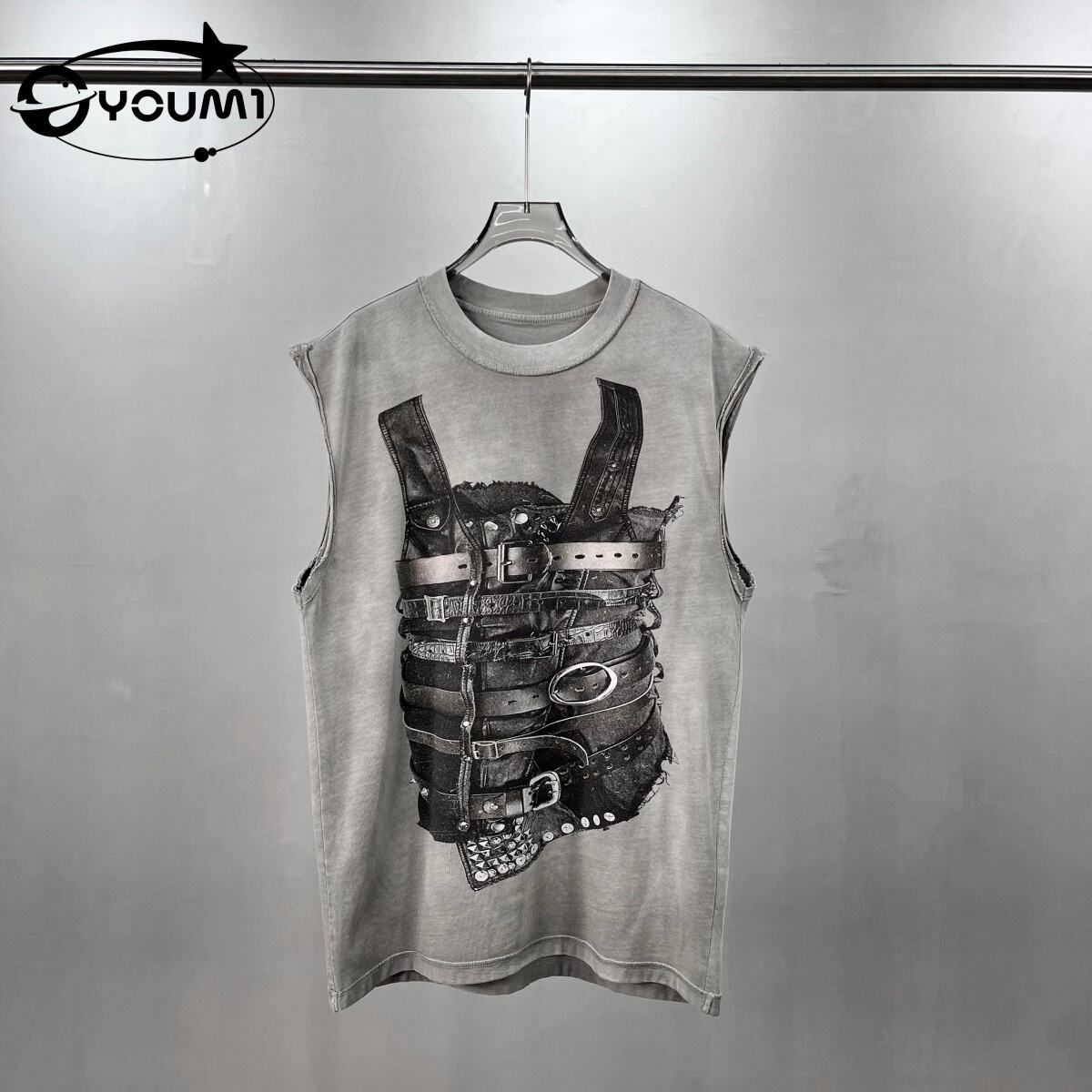
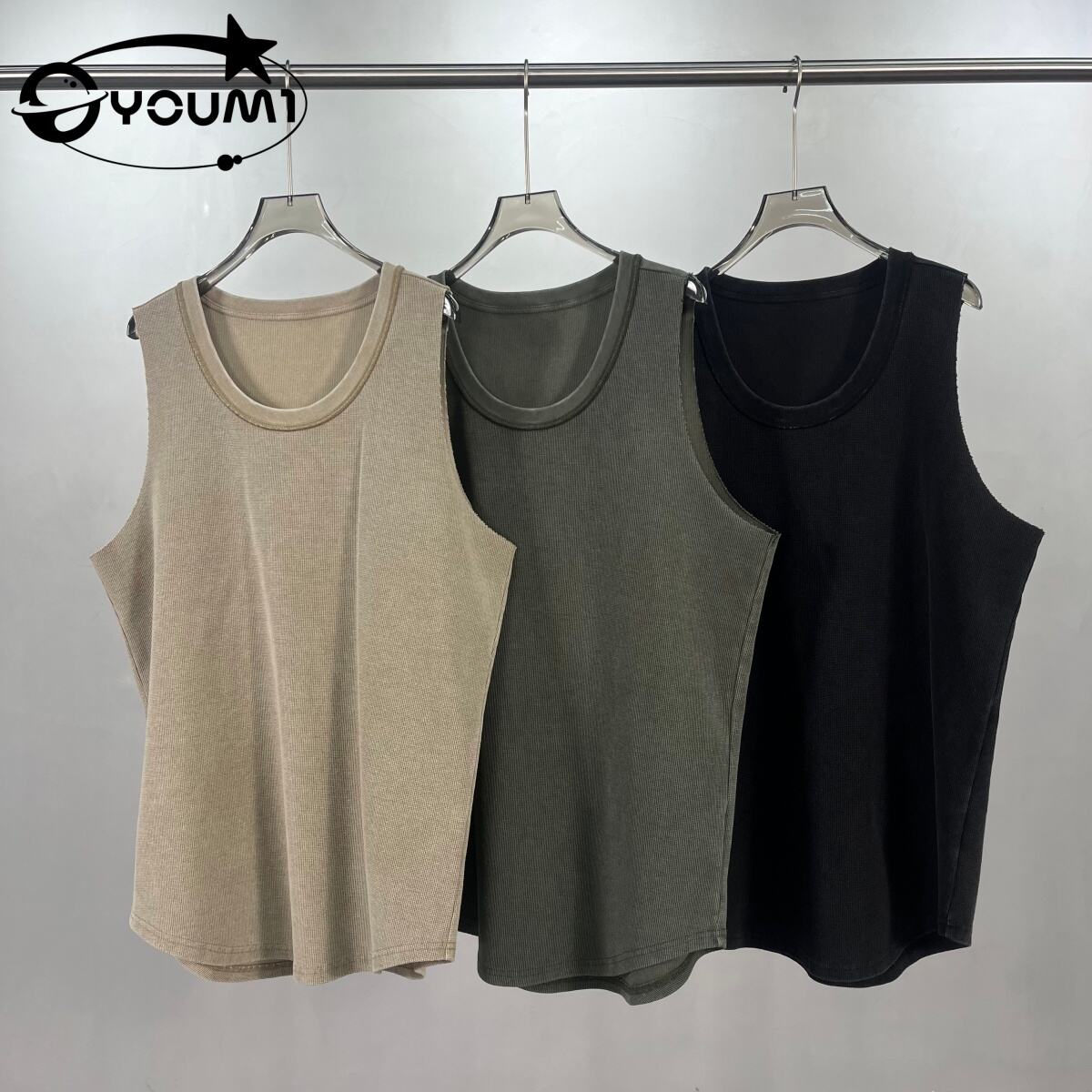
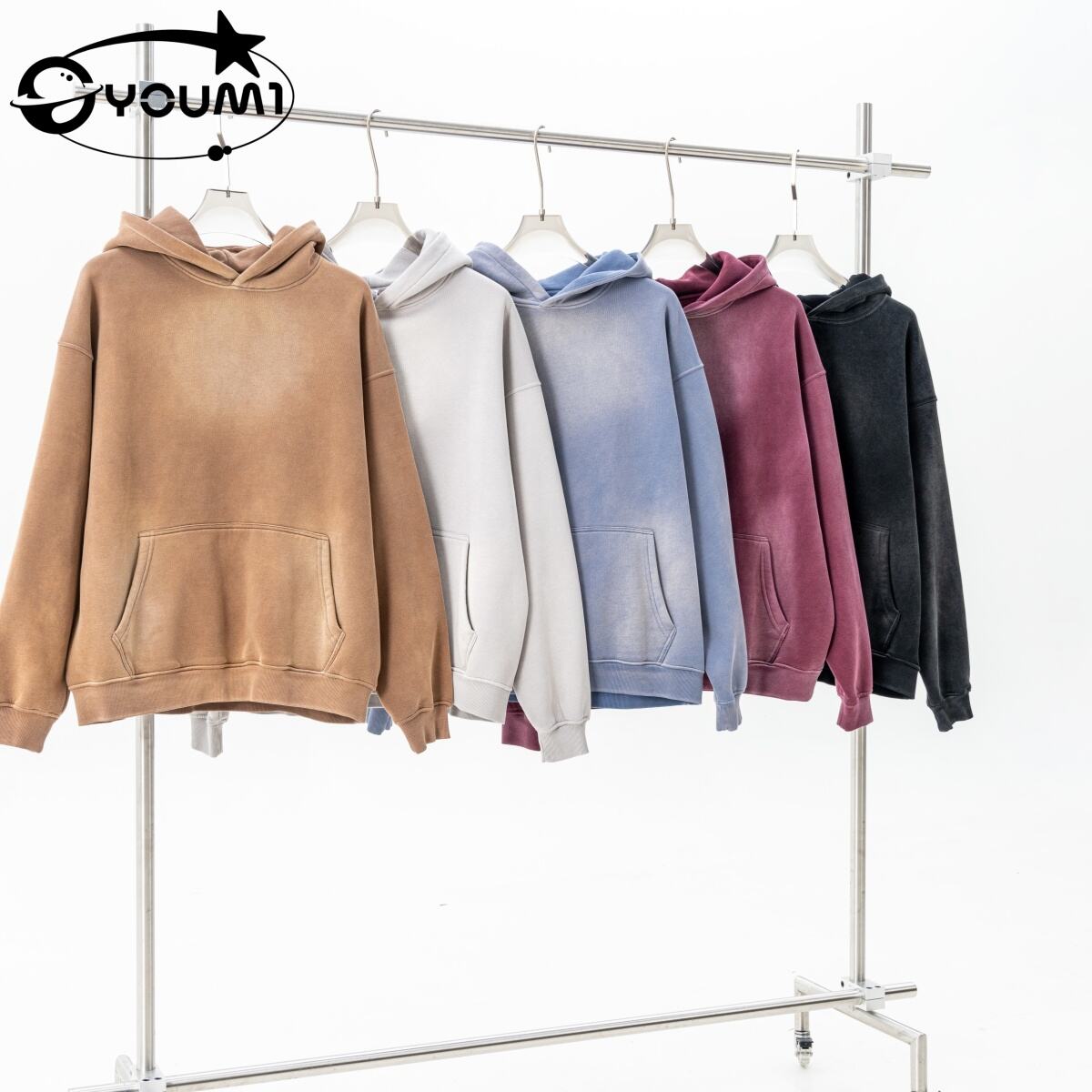
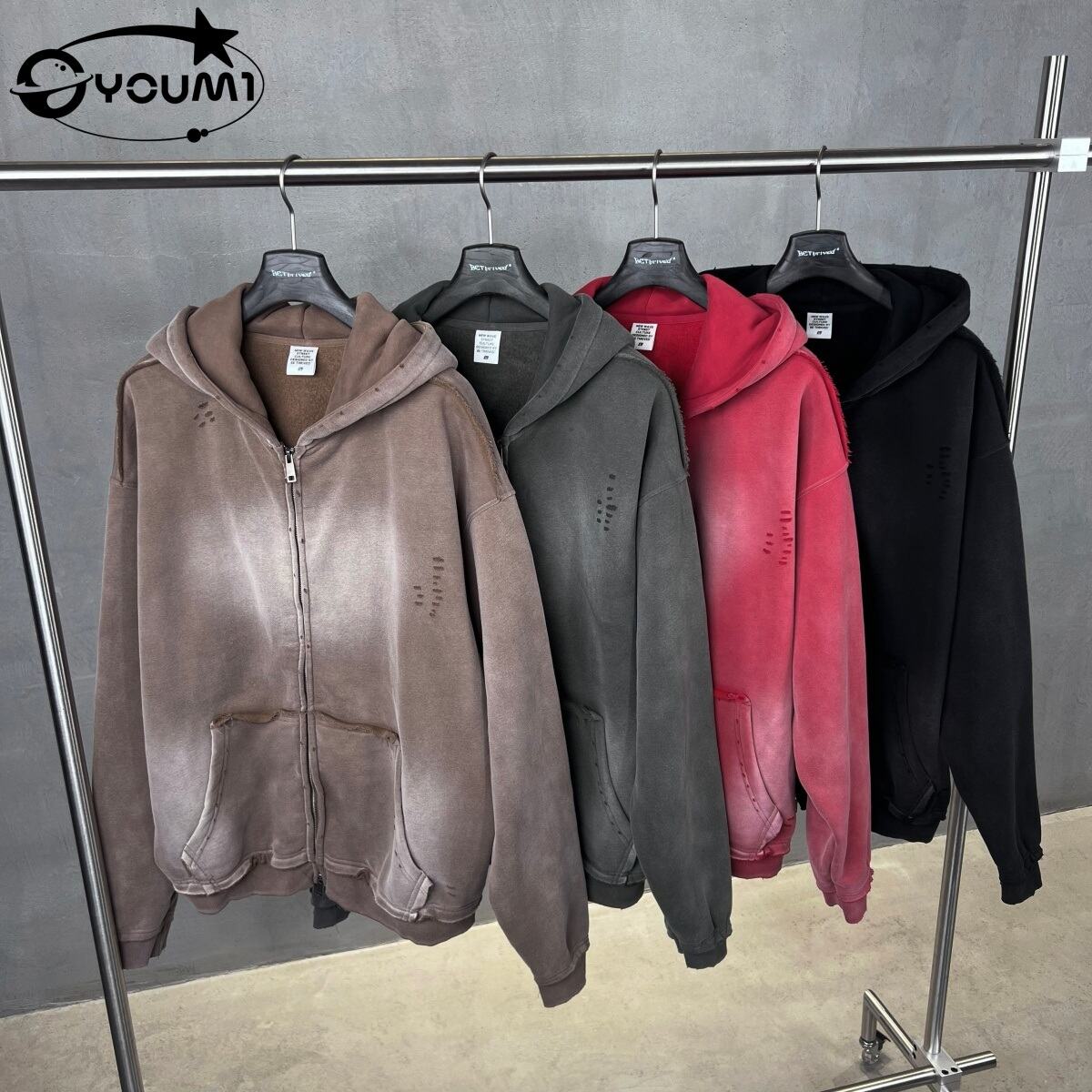
A clothing manufacturing factory is a specialized production facility that transforms raw materials into finished garments through systematic processes and coordinated operations. This industrial establishment combines skilled labor, advanced machinery, and efficient workflows to produce clothing items at scale for retail brands, fashion houses, and commercial buyers. The clothing manufacturing factory operates through multiple stages including fabric sourcing, pattern making, cutting, sewing, quality inspection, and packaging. Modern facilities integrate computer-aided design systems, automated cutting machines, industrial sewing equipment, and finishing technologies to ensure precision and consistency. These factories handle diverse product categories ranging from casual wear and formal attire to sportswear and specialty garments. The technological features of a clothing manufacturing factory include fabric inspection systems, digital pattern grading software, laser cutting equipment, and computerized embroidery machines. Production planning software coordinates workflow management, inventory tracking, and order fulfillment processes. Quality control stations monitor stitching accuracy, dimensional stability, and finishing standards throughout production. Applications span contract manufacturing for established brands, private label production for retailers, and custom order fulfillment for designers. The clothing manufacturing factory serves domestic and international markets, supporting fast fashion cycles, seasonal collections, and made-to-order services. Environmental considerations increasingly influence operations, with sustainable practices addressing waste reduction, energy efficiency, and ethical labor standards becoming integral to modern manufacturing approaches.

New Product Recommendations

Partnering with a clothing manufacturing factory delivers significant cost advantages through economies of scale that reduce per-unit production expenses while maintaining quality standards. Buyers benefit from consolidated supplier relationships, streamlined communication channels, and single-point accountability for entire production runs. The operational benefits include faster turnaround times enabled by dedicated production lines, experienced workforce teams, and established supply chain networks that minimize delays. A clothing manufacturing factory provides access to specialized equipment and technical expertise that would require substantial capital investment if managed independently. Production flexibility allows buyers to adjust order volumes, modify designs during sampling phases, and respond quickly to market demand fluctuations without infrastructure constraints. Quality assurance systems built into factory operations ensure consistent output that meets specifications, reducing defect rates and costly rework expenses. The clothing manufacturing factory offers application suitability across various business models, whether launching startup brands, scaling existing operations, or testing new product categories with manageable risk exposure. Buyers gain competitive advantages through shorter lead times, enabling faster market entry and improved inventory management that aligns with lean business practices. Technical support throughout the production cycle assists with material selection, construction methods, and cost optimization strategies that enhance profit margins. The decision to work with a clothing manufacturing factory eliminates the complexity of managing multiple vendors, coordinating logistics, and maintaining production facilities. This operational simplification allows brands to focus resources on design innovation, marketing initiatives, and customer engagement while relying on manufacturing partners for reliable production execution and supply chain efficiency.

Tips And Tricks

How Does a 24-Year Factory Ensure Excellence for Custom Shorts?

03

Jun

How Does a 24-Year Factory Ensure Excellence for Custom Shorts?

When buyers source custom shorts for their brand, one of the most important questions is simple: can this factory actually deliver consistent quality at scale? Choosing the right manufacturing partner for custom shorts is not just about price. It is ...
View More
How to Choose a Hoodie Manufacturer with Premium Craftsmanship?

05

Jun

How to Choose a Hoodie Manufacturer with Premium Craftsmanship?

Choosing the right hoodie manufacturer is one of the most consequential decisions a brand owner or retailer will make. A skilled hoodie manufacturer determines not only the quality of your finished product but also the reliability of your supply chai...
View More
How Does full Custom Packaging Add Value to a Custom Beanie?

22

Jun

How Does full Custom Packaging Add Value to a Custom Beanie?

A custom beanie is far more than a knitted hat. It is a branded product that carries your company identity, your aesthetic vision, and your promise to the end customer. Yet many businesses invest heavily in designing the perfect custom beanie and the...
View More
How Can a Premium Washed Hoodie Enhance Your Brand Aesthetic?

24

Jun

How Can a Premium Washed Hoodie Enhance Your Brand Aesthetic?

A washed hoodie is no longer just a casual wardrobe staple — it has become a powerful tool for brands seeking to communicate authenticity, depth, and creative identity. The distinctive sun-faded finish of a premium washed hoodie sets it apart from st...
View More

Get a Free Quote

Our representative will contact you soon.
Email
Name
Company Name
Message
0/1000

clothing manufacturing factory

Advanced Production Technology Integration

Advanced Production Technology Integration

Modern clothing manufacturing factory facilities leverage cutting-edge technology that transforms traditional garment production into precision-driven operations. Computer-aided design systems enable rapid prototyping and pattern modifications that accelerate development cycles from concept to finished samples. Automated fabric spreading and cutting equipment minimize material waste while ensuring accuracy across thousands of identical pieces, maintaining consistency that manual methods cannot achieve. Industrial sewing machines equipped with programmable controls handle complex stitching patterns, decorative elements, and specialized construction techniques with repeatable precision. Digital embroidery and printing systems offer customization capabilities that meet growing demand for personalized products without sacrificing production efficiency. Integrated quality monitoring systems use sensors and imaging technology to detect defects during production rather than at final inspection, reducing waste and improving overall output quality. These technological investments translate directly into buyer value through superior product consistency, reduced sampling costs, and faster time-to-market for new designs. The clothing manufacturing factory that embraces technology innovation provides competitive advantages that manual operations simply cannot match in today's fast-paced fashion marketplace.
Comprehensive Quality Control Systems

Comprehensive Quality Control Systems

Quality assurance represents a fundamental pillar of successful clothing manufacturing factory operations, protecting buyer investments and brand reputations through systematic verification processes. Multi-stage inspection protocols begin with incoming raw material evaluation, testing fabric specifications, color accuracy, and structural integrity before production starts. In-process quality checkpoints monitor construction techniques, seam strength, and dimensional accuracy at critical production stages, catching issues before they multiply across entire production runs. Final inspection procedures verify finished garments against approved samples, checking measurements, finishing details, and packaging requirements before shipment authorization. Dedicated quality control teams trained in industry standards and buyer-specific requirements ensure consistent adherence to specifications regardless of order complexity or production volume. Documentation systems track inspection results, maintain compliance records, and provide transparency throughout manufacturing cycles. The clothing manufacturing factory committed to comprehensive quality management reduces costly returns, minimizes customer complaints, and builds long-term buyer confidence through reliable performance. Statistical process control methods identify trends and potential issues before they impact production output, enabling proactive corrections that maintain efficiency. This systematic approach to quality delivers tangible value by protecting brand reputation and ensuring customer satisfaction with every delivered order.
Flexible Production Capacity Management

Flexible Production Capacity Management

Strategic capacity management distinguishes exceptional clothing manufacturing factory operations from conventional production facilities, providing buyers with responsive partnership that adapts to changing business needs. Scalable production infrastructure accommodates order fluctuations from small test runs to large seasonal volumes without compromising delivery schedules or quality standards. Cross-trained workforce teams shift between product categories and construction techniques, maintaining productivity during style transitions and collection changes. Modular production line configurations allow rapid reconfiguration to handle different garment types, optimizing factory utilization across diverse order portfolios. Established supplier networks ensure material availability for unexpected rush orders or volume increases, eliminating sourcing delays that disrupt timelines. The clothing manufacturing factory with flexible capacity management provides buyers crucial advantages in dynamic markets where demand forecasting remains challenging and rapid response capabilities determine competitive success. Production planning systems balance multiple client orders, prioritizing urgent requirements while maintaining commitments to scheduled deliveries. This operational agility enables emerging brands to start with manageable volumes and scale production as market response grows, without switching manufacturing partners or renegotiating relationships. Capacity flexibility also supports seasonal businesses with variable demand patterns, allocating resources efficiently during peak periods while maintaining relationships during slower cycles through shared production scheduling.
Clothing Manufacturing Factory Solutions

Get a Free Quote

Our representative will contact you soon.
Email
Name
Company Name
Message
0/1000