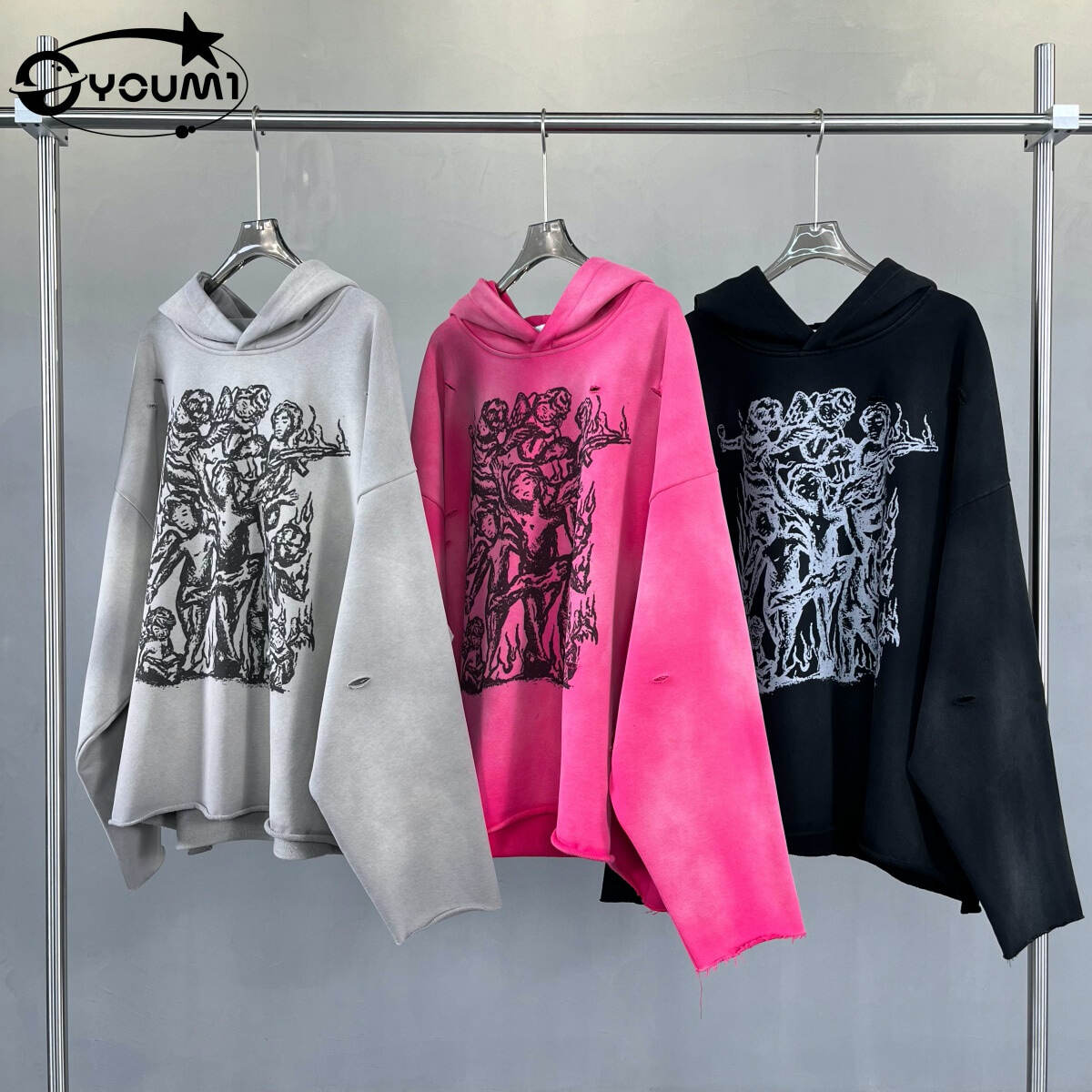
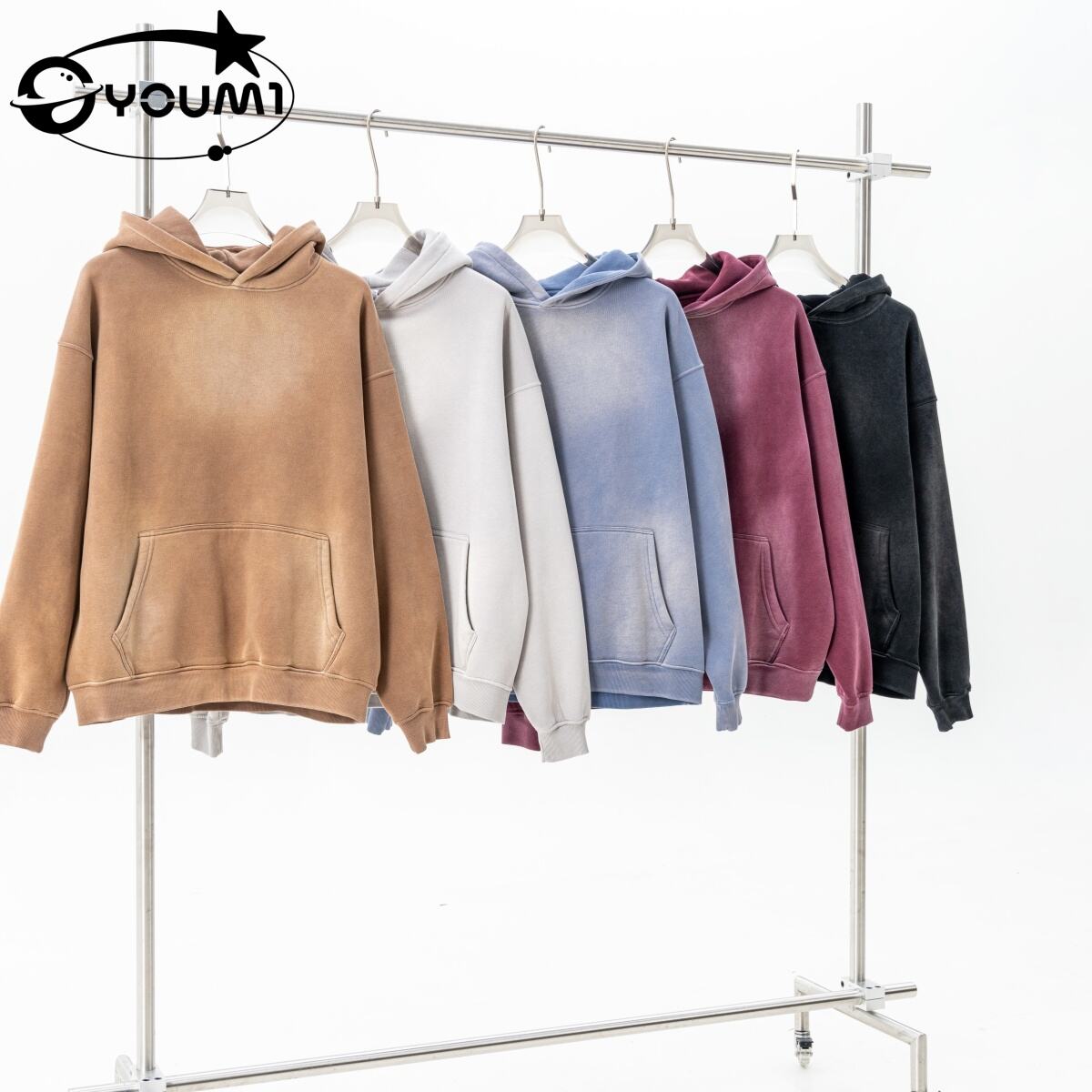
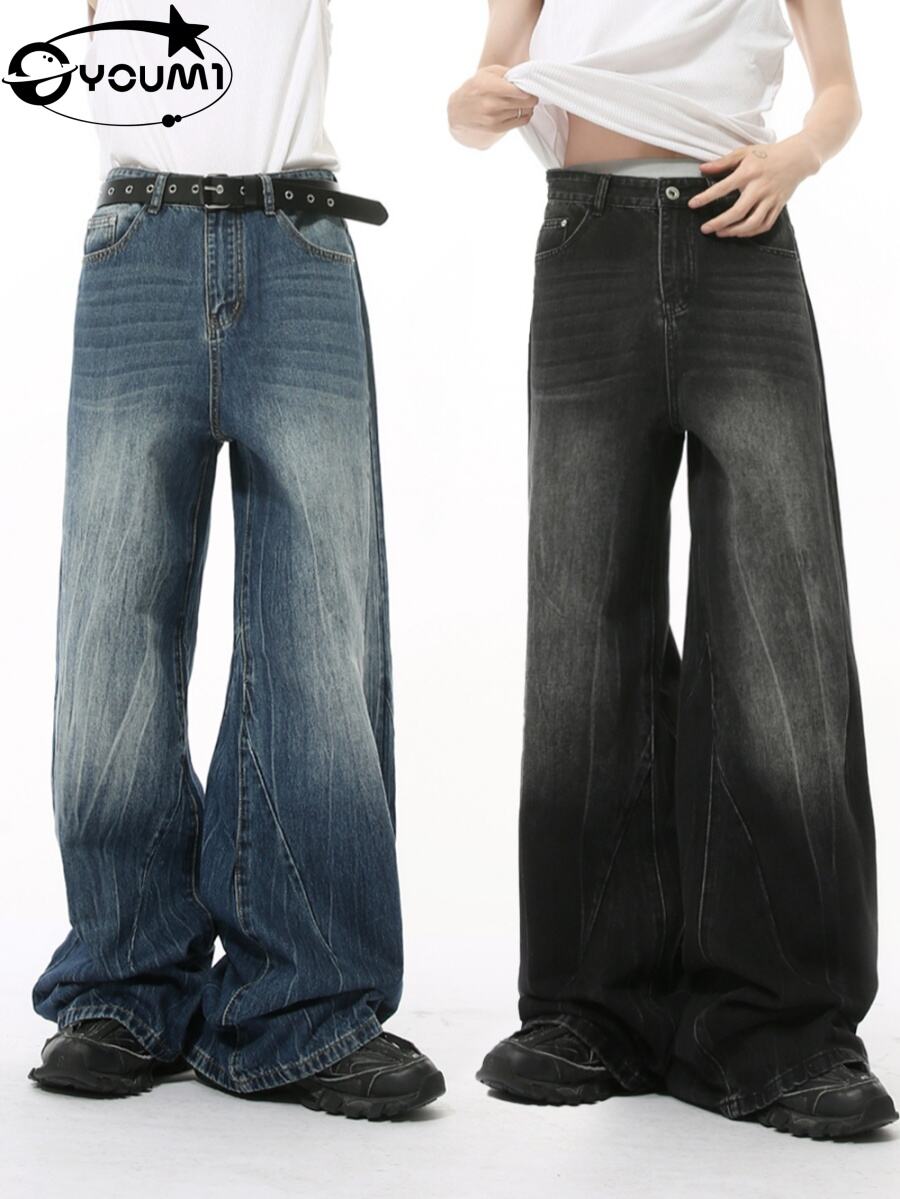
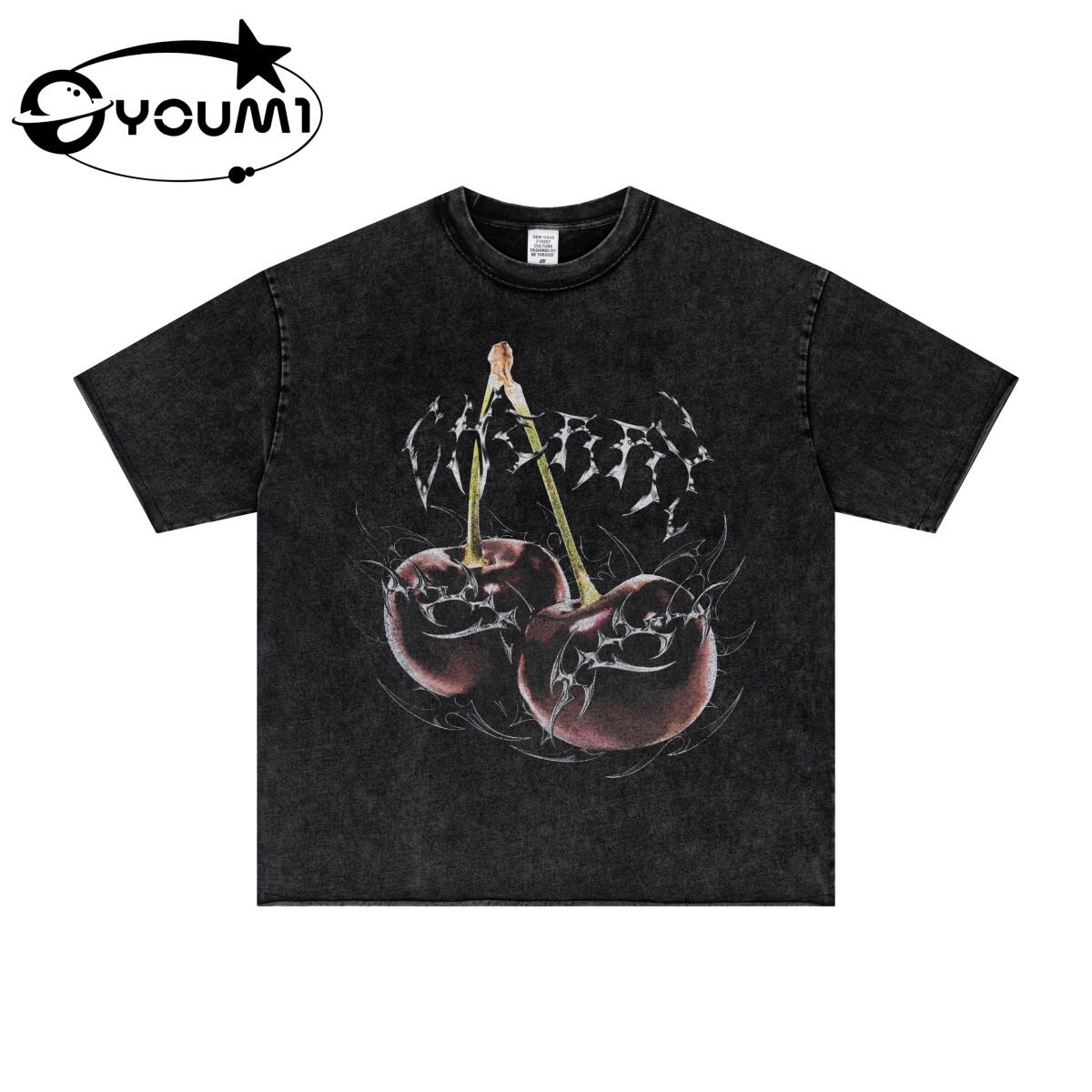
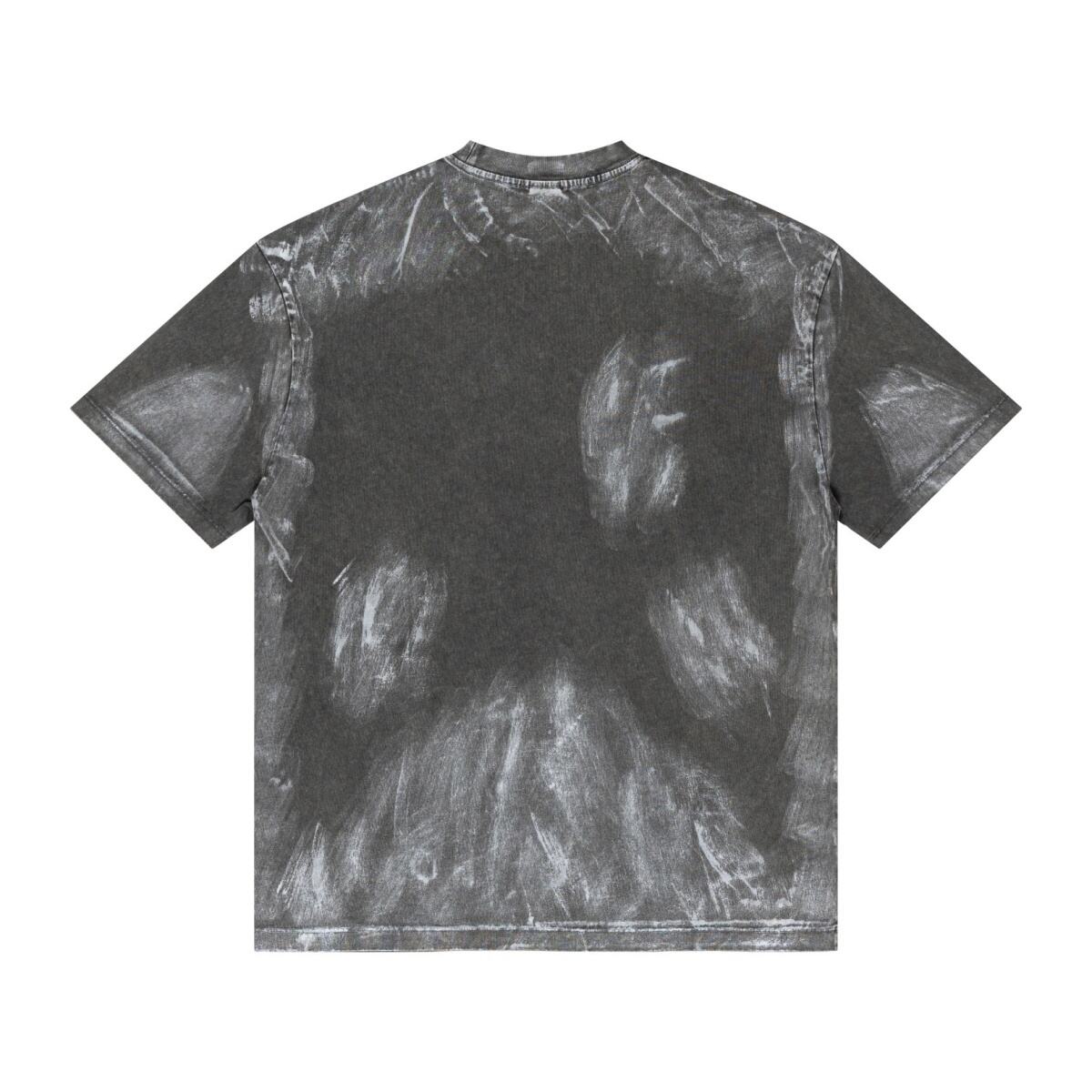
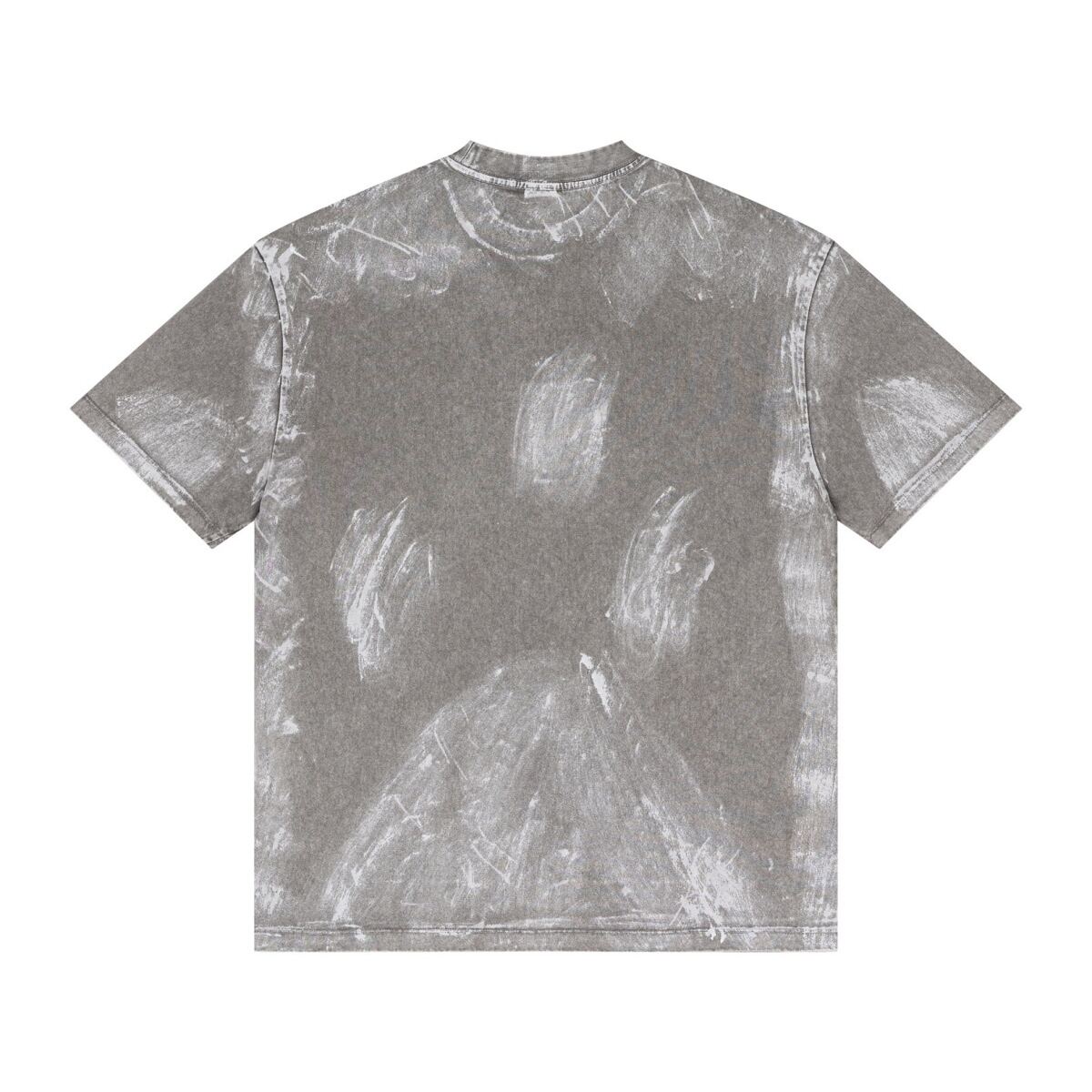
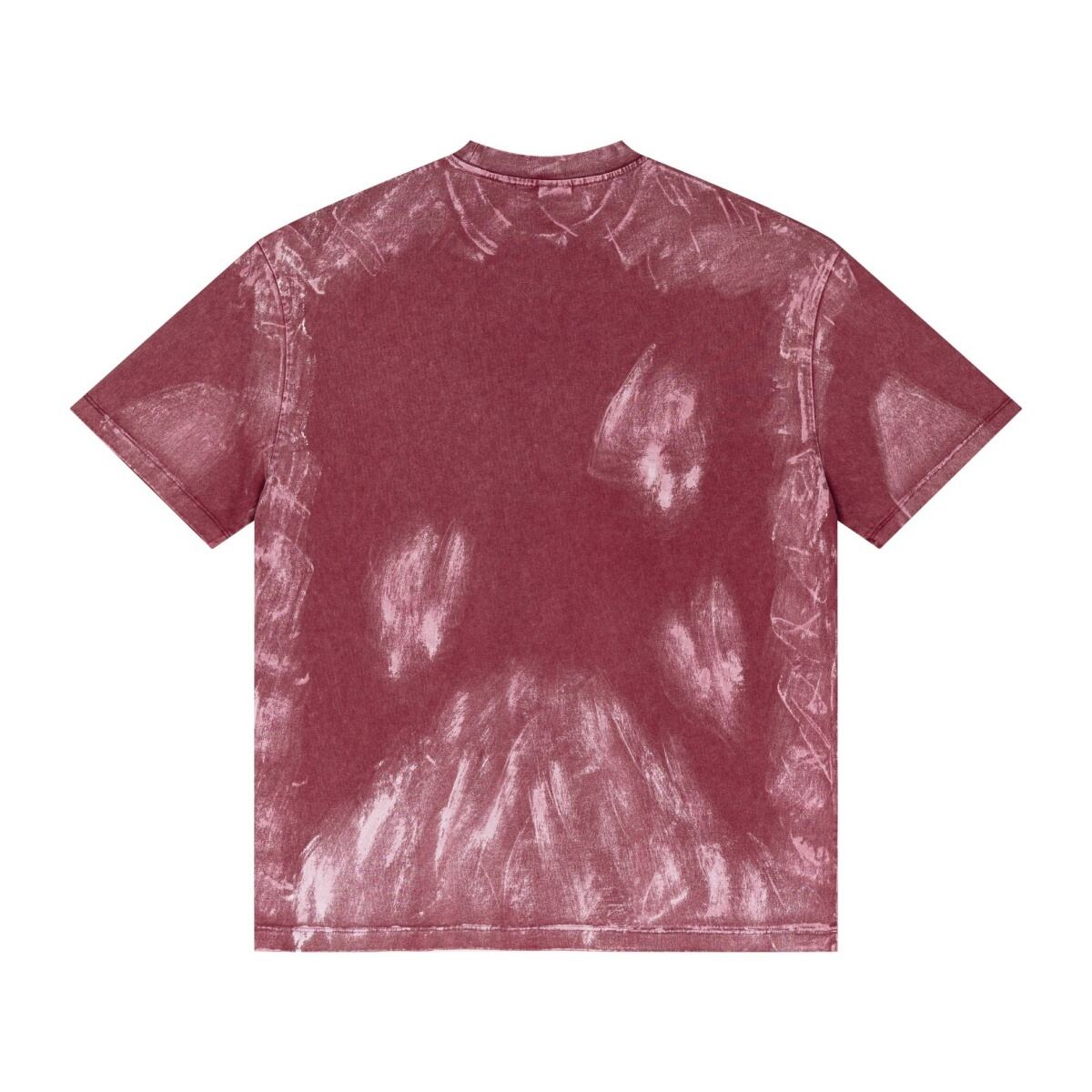
Garment Manufacturing Factory Solutions

Get a Free Quote

Our representative will contact you soon.
Email
Name
Company Name
Message
0/1000

garment manufacturing factory

A garment manufacturing factory is a specialized production facility designed to transform raw textile materials into finished clothing products through systematic processes and advanced machinery. This type of factory serves as the backbone of the fashion and apparel industry, handling everything from initial fabric cutting to final quality inspection. The main functions of a garment manufacturing factory include pattern making, fabric spreading, cutting, sewing, finishing, pressing, and packaging. Modern garment manufacturing factory operations integrate computer-aided design systems, automated cutting machines, industrial sewing equipment, and quality control technologies to ensure precision and efficiency. These facilities accommodate various production scales, from small-batch custom orders to large-volume commercial production runs. The technological features of a garment manufacturing factory encompass digital pattern development software, automated fabric spreaders, computerized cutting tables, multi-needle sewing machines, embroidery units, and heat-press finishing equipment. Applications span across multiple sectors including fast fashion, sportswear, corporate uniforms, children's clothing, luxury apparel, and protective workwear. A well-equipped garment manufacturing factory employs skilled operators, pattern makers, quality inspectors, and production managers who work collaboratively to meet delivery schedules and maintain product standards. The factory layout typically follows a linear production flow to minimize material handling time and optimize workflow efficiency, ensuring that each garment moves smoothly from one production stage to the next without unnecessary delays or quality compromises.

New Product Recommendations

Choosing a professional garment manufacturing factory provides significant cost advantages through economies of scale and streamlined production processes that reduce per-unit manufacturing expenses. Buyers benefit from access to specialized equipment and skilled labor that would be prohibitively expensive to maintain in-house, allowing brands to focus on design and marketing while leaving production complexities to experts. A dedicated garment manufacturing factory offers faster turnaround times compared to fragmented production methods, with established workflows that accelerate order fulfillment and help brands respond quickly to market trends. Quality consistency represents another major benefit, as experienced factories implement rigorous inspection protocols at multiple production stages, ensuring that every piece meets specified standards before shipment. The operational flexibility of a garment manufacturing factory allows buyers to scale production volumes up or down based on seasonal demand without investing in additional infrastructure or permanent workforce expansion. These facilities maintain relationships with fabric suppliers and accessory vendors, providing buyers with material sourcing advantages and better pricing on components. A garment manufacturing factory equipped with modern technology delivers superior precision in sizing, stitching, and finishing details that enhance garment durability and customer satisfaction. Buyers gain competitive advantages through faster market entry, reduced capital requirements, and the ability to test new designs without committing to large production runs. The factory's expertise in compliance and certifications helps brands meet regulatory requirements and ethical manufacturing standards that increasingly influence consumer purchasing decisions. Working with an established garment manufacturing factory reduces risk exposure by transferring production responsibilities to specialists who understand industry challenges and maintain contingency plans for supply chain disruptions.

Latest News

RealTree Camo: 2026's Hottest Streetwear Trend

01

Jun

RealTree Camo: 2026's Hottest Streetwear Trend

If you have been watching street style feeds, urban fashion shows, or independent clothing drops lately, one pattern keeps demanding attention: realtree camo. Once associated almost exclusively with hunting and outdoor gear, realtree camo has made a ...
View More
How to Choose a Hoodie Manufacturer with Premium Craftsmanship?

05

Jun

How to Choose a Hoodie Manufacturer with Premium Craftsmanship?

Choosing the right hoodie manufacturer is one of the most consequential decisions a brand owner or retailer will make. A skilled hoodie manufacturer determines not only the quality of your finished product but also the reliability of your supply chai...
View More
How Does full Custom Packaging Add Value to a Custom Beanie?

22

Jun

How Does full Custom Packaging Add Value to a Custom Beanie?

A custom beanie is far more than a knitted hat. It is a branded product that carries your company identity, your aesthetic vision, and your promise to the end customer. Yet many businesses invest heavily in designing the perfect custom beanie and the...
View More
How Can a Premium Washed Hoodie Enhance Your Brand Aesthetic?

24

Jun

How Can a Premium Washed Hoodie Enhance Your Brand Aesthetic?

A washed hoodie is no longer just a casual wardrobe staple — it has become a powerful tool for brands seeking to communicate authenticity, depth, and creative identity. The distinctive sun-faded finish of a premium washed hoodie sets it apart from st...
View More

Get a Free Quote

Our representative will contact you soon.
Email
Name
Company Name
Message
0/1000

garment manufacturing factory

Advanced Production Technology Integration

Advanced Production Technology Integration

Modern garment manufacturing factory facilities leverage cutting-edge technology to revolutionize traditional apparel production methods and deliver superior results. Computer-aided design systems enable precise pattern development with minimal fabric waste, while automated cutting equipment ensures accuracy across thousands of identical pieces. Digital printing capabilities within a garment manufacturing factory allow for custom designs and small-batch personalization that traditional methods cannot accommodate economically. Industrial sewing machines with programmable functions maintain consistent stitch quality at high speeds, dramatically improving productivity without sacrificing craftsmanship. Quality monitoring systems use sensors and cameras to detect defects during production rather than after completion, reducing rework costs and material waste. The integration of enterprise resource planning software connects all production stages, providing real-time visibility into order status, inventory levels, and production capacity. This technological sophistication transforms a garment manufacturing factory into a data-driven operation that continuously improves efficiency, reduces errors, and adapts quickly to changing customer requirements while maintaining competitive pricing structures.
Flexible Production Capabilities

Flexible Production Capabilities

A versatile garment manufacturing factory accommodates diverse product types, order volumes, and customization requirements that align with varied business models and market segments. Whether producing classic basics in high volumes or limited-edition specialty items, the factory adjusts workflows and resource allocation to match project specifications. This adaptability proves invaluable for brands testing new markets or launching seasonal collections with uncertain demand forecasts. The garment manufacturing factory maintains relationships with multiple fabric mills and trim suppliers, providing access to extensive material options without requiring buyers to manage numerous vendor relationships independently. Quick sampling capabilities allow brands to evaluate prototypes and make design adjustments before committing to full production runs, minimizing the risk of costly mistakes. Production scheduling flexibility enables rush orders when market opportunities arise, while also accommodating extended timelines for complex designs requiring specialized techniques. This operational versatility makes a garment manufacturing factory an ideal partner for businesses at various growth stages, from startups requiring small minimums to established brands needing reliable capacity for ongoing programs.
Comprehensive Quality Assurance Systems

Comprehensive Quality Assurance Systems

Quality control represents a fundamental strength of professional garment manufacturing factory operations, with multi-stage inspection processes that protect brand reputation and customer satisfaction. Incoming material inspections verify that fabrics, threads, zippers, and other components meet specifications before entering production, preventing defects from propagating through finished goods. In-process quality checks monitor critical construction points such as seam strength, button attachment, and zipper functionality while garments remain accessible for corrections. A garment manufacturing factory employs trained quality inspectors who understand industry standards and brand-specific requirements, applying consistent evaluation criteria across all production batches. Final inspection protocols include measurement verification, appearance assessment, and functional testing to ensure every garment performs as intended. Documentation systems track quality metrics and identify improvement opportunities through data analysis, creating continuous enhancement cycles. Third-party audit compliance demonstrates that the garment manufacturing factory maintains ethical labor practices and environmental standards that increasingly influence corporate sourcing decisions and consumer brand perceptions in today's socially conscious marketplace.
Garment Manufacturing Factory Solutions

Get a Free Quote

Our representative will contact you soon.
Email
Name
Company Name
Message
0/1000