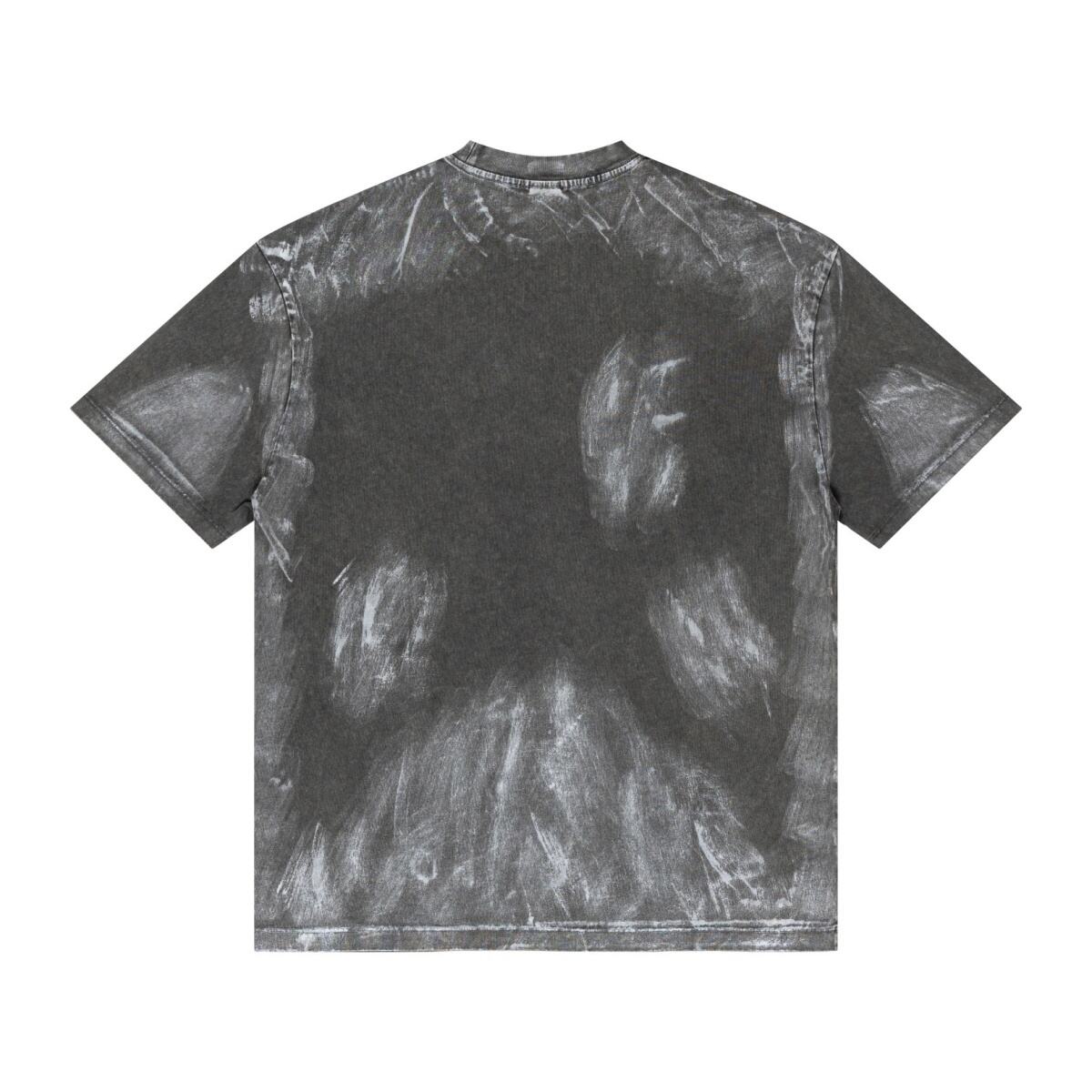
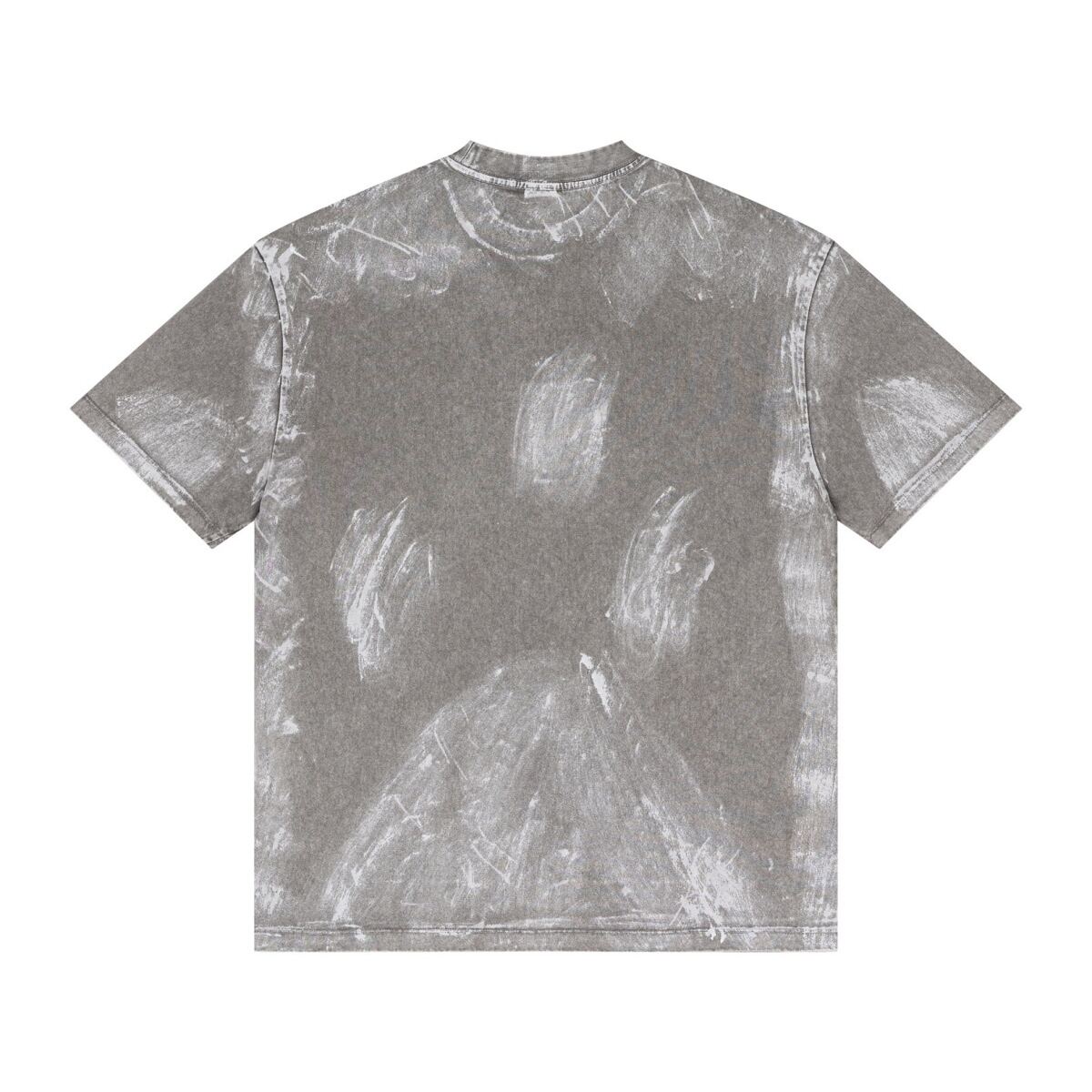
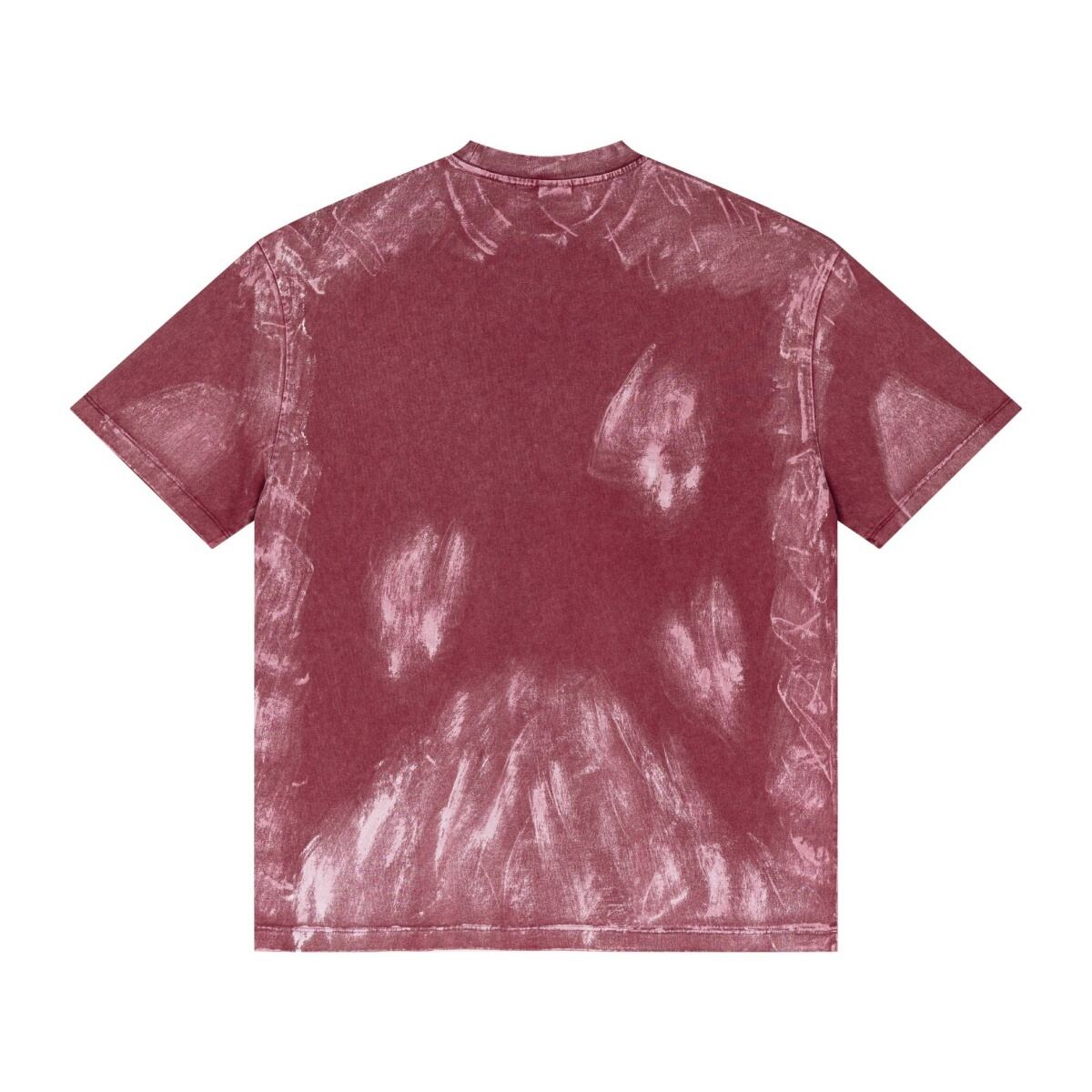
Standard Group Garment Factory Solutions

Get a Free Quote

Our representative will contact you soon.
Email
Name
Company Name
Message
0/1000

standard group garment factory

A standard group garment factory represents a comprehensive manufacturing facility designed to produce high-quality clothing items at scale while maintaining consistent production standards. This type of factory integrates multiple production stages, from initial fabric inspection and cutting to sewing, finishing, and quality control, all under one centralized operation. The standard group garment factory employs advanced machinery including computerized cutting systems, automated sewing equipment, and modern pressing technologies to ensure precision and efficiency throughout the manufacturing process. These facilities typically handle diverse product categories ranging from casual wear and sportswear to formal attire and specialty garments. The technological features of a standard group garment factory include pattern-making software, automated fabric spreading machines, multi-needle sewing stations, and integrated quality management systems that track every production phase. Applications span across retail brands, fashion houses, corporate uniform suppliers, and export-oriented businesses seeking reliable manufacturing partnerships. The factory structure emphasizes workflow optimization, with dedicated zones for different production stages and skilled workforce management systems. Environmental considerations are increasingly integrated, with water recycling systems, energy-efficient equipment, and waste reduction protocols becoming standard features. A standard group garment factory serves as a complete solution for businesses requiring consistent output, scalable production capacity, and adherence to international quality standards, making it an essential partner for brands aiming to deliver market-ready apparel products efficiently.

New Products

Choosing a standard group garment factory provides significant operational advantages that directly impact your business profitability and market competitiveness. The centralized production model eliminates coordination challenges between multiple vendors, reducing lead times by up to forty percent compared to fragmented manufacturing arrangements. You gain access to economies of scale, where bulk material purchasing and optimized resource allocation translate into cost savings of fifteen to twenty-five percent on per-unit production expenses. The standardized quality control processes ensure consistent product output, minimizing rejection rates and protecting your brand reputation through reliable manufacturing standards. A standard group garment factory offers production flexibility, allowing you to adjust order volumes based on market demand without compromising delivery schedules or quality benchmarks. The integrated workflow means faster sample development, with prototype-to-production cycles shortened significantly, enabling quicker market response times. You benefit from technical expertise concentrated in one location, with skilled pattern makers, garment technicians, and quality specialists collaborating seamlessly throughout production. The factory's established supplier networks ensure material availability and price stability, protecting you from supply chain disruptions. Compliance with international labor and safety standards provides peace of mind for brands concerned about ethical manufacturing practices. The single-point accountability structure simplifies communication, order tracking, and problem resolution, making production management more efficient for your team. Investment in modern equipment by a standard group garment factory means your products benefit from precision manufacturing technologies without requiring capital expenditure on your part. These combined advantages make partnering with such facilities a strategic decision for businesses seeking dependable, cost-effective, and quality-focused garment manufacturing solutions.

Practical Tips

RealTree Camo: 2026's Hottest Streetwear Trend

01

Jun

RealTree Camo: 2026's Hottest Streetwear Trend

If you have been watching street style feeds, urban fashion shows, or independent clothing drops lately, one pattern keeps demanding attention: realtree camo. Once associated almost exclusively with hunting and outdoor gear, realtree camo has made a ...
View More
How Can an ODM Jeans Manufacturer Accelerate Your Product Launch?

17

Jun

How Can an ODM Jeans Manufacturer Accelerate Your Product Launch?

Bringing a new denim line to market is rarely a simple process. Between design conceptualization, fabric sourcing, sampling rounds, and production coordination, the timeline can stretch far beyond what most brands anticipate. Working with an ODM jean...
View More
How to Choose a Hoodie Manufacturer with Premium Craftsmanship?

05

Jun

How to Choose a Hoodie Manufacturer with Premium Craftsmanship?

Choosing the right hoodie manufacturer is one of the most consequential decisions a brand owner or retailer will make. A skilled hoodie manufacturer determines not only the quality of your finished product but also the reliability of your supply chai...
View More
Why Do Big Brands Trust This Certified Custom Clothing Manufacturer?

08

Jun

Why Do Big Brands Trust This Certified Custom Clothing Manufacturer?

Choosing the right production partner is one of the most consequential decisions a brand can make. When global labels and fast-growing retail companies evaluate their supply chain, they do not simply look for the lowest price. They look for a custom ...
View More

Get a Free Quote

Our representative will contact you soon.
Email
Name
Company Name
Message
0/1000

standard group garment factory

Integrated Production Efficiency

Integrated Production Efficiency

The standard group garment factory operates as a seamlessly connected manufacturing ecosystem where every production stage flows naturally into the next, eliminating inefficiencies common in multi-vendor arrangements. This integration means fabric arrives, gets inspected, cut, sewn, finished, and packaged within one controlled environment, reducing material handling time and transportation costs between separate facilities. The coordinated workflow allows real-time quality monitoring at each stage, catching potential issues immediately rather than discovering problems after garments reach completion. Production planners can optimize machine utilization and workforce allocation across departments, ensuring balanced capacity usage and preventing bottlenecks that delay order fulfillment. The unified management structure enables rapid decision-making when production adjustments become necessary, whether responding to design modifications or urgent order prioritization. This operational cohesion translates directly into shorter production cycles, typically completing orders twenty to thirty percent faster than fragmented manufacturing arrangements, giving you competitive advantages in fast-moving fashion markets where timing determines success.
Quality Consistency and Control

Quality Consistency and Control

A standard group garment factory implements comprehensive quality assurance protocols that maintain consistent standards across every production batch, protecting brand integrity and customer satisfaction. Dedicated quality control teams conduct systematic inspections at critical production points, from fabric verification and cutting accuracy checks to stitch quality evaluation and final garment审核. Standardized measurement systems ensure dimensional accuracy across all sizes, preventing fit inconsistencies that lead to customer returns and brand damage. The factory maintains detailed production records and traceability systems, allowing quick identification of any quality variance sources and implementing corrective actions immediately. Investment in testing equipment for colorfastness, fabric strength, and seam durability means products undergo rigorous evaluation before shipment, reducing defect rates to minimal levels. Worker training programs ensure sewing operators and finishing technicians understand quality expectations and possess skills to meet demanding specifications consistently. The quality-focused culture within a standard group garment factory means continuous improvement initiatives regularly enhance production standards, keeping your products competitive in quality-conscious markets where consumer expectations continually rise.
Scalable Production Capacity

Scalable Production Capacity

The standard group garment factory provides flexible manufacturing capacity that grows or contracts according to your business requirements, eliminating concerns about minimum order quantities or capacity constraints during peak seasons. Modern facilities maintain equipment redundancy and multi-skilled workforce capabilities, allowing rapid production scaling when urgent orders arrive or seasonal demand increases. This scalability extends beyond volume adjustments to accommodate product variety, with facilities capable of switching between different garment categories, fabric types, and construction techniques without extensive retooling delays. The factory's established supplier relationships ensure material availability even during high-demand periods, preventing production delays caused by component shortages. Capacity planning systems forecast production loads and optimize scheduling, ensuring your orders receive appropriate priority and realistic delivery commitments. For growing businesses, partnering with a standard group garment factory means manufacturing capacity expands alongside your sales growth without requiring investment in production infrastructure or workforce development. This scalability advantage proves particularly valuable for brands experiencing rapid growth, seasonal fluctuations, or testing new product categories, providing manufacturing flexibility that supports business agility and market responsiveness.
Standard Group Garment Factory Solutions

Get a Free Quote

Our representative will contact you soon.
Email
Name
Company Name
Message
0/1000