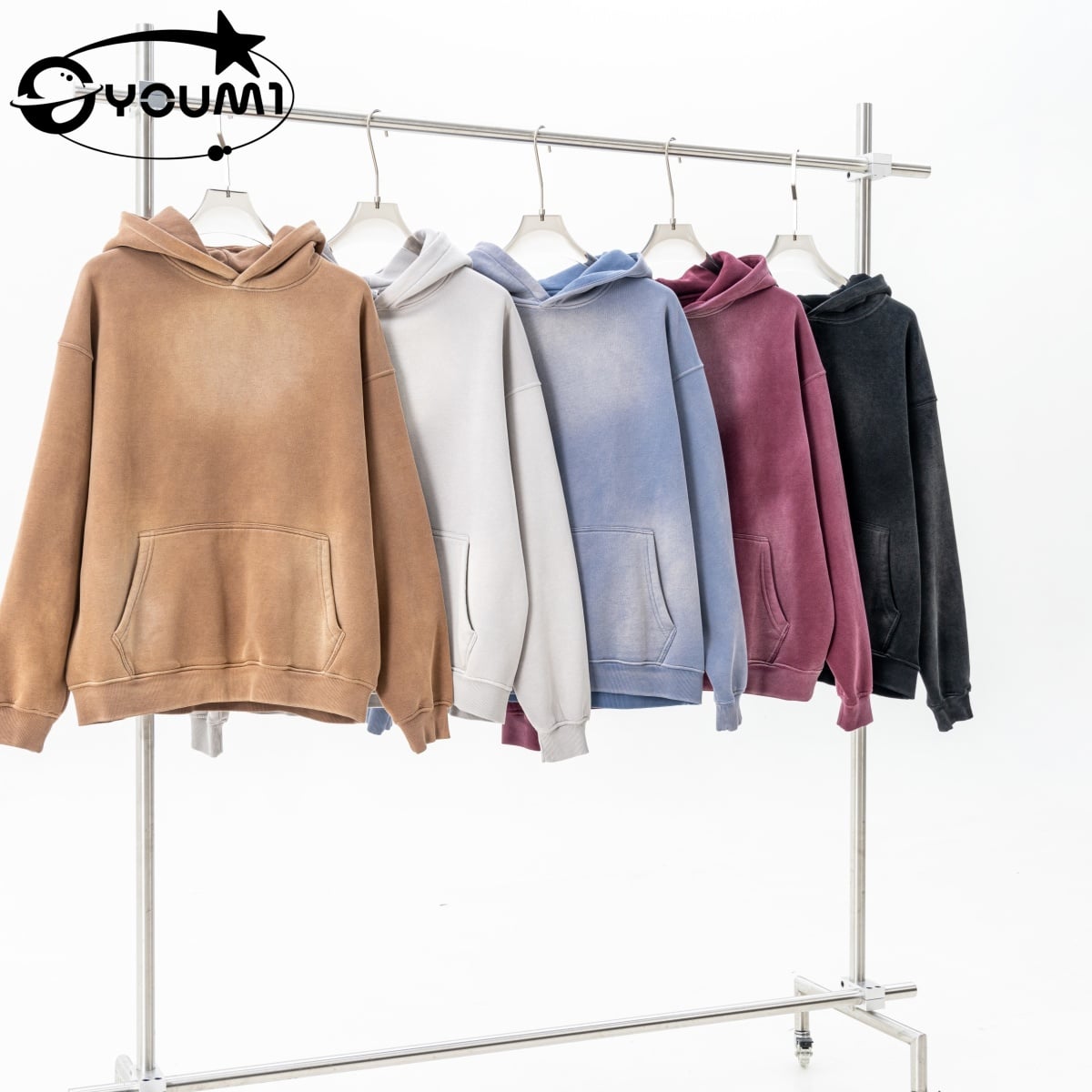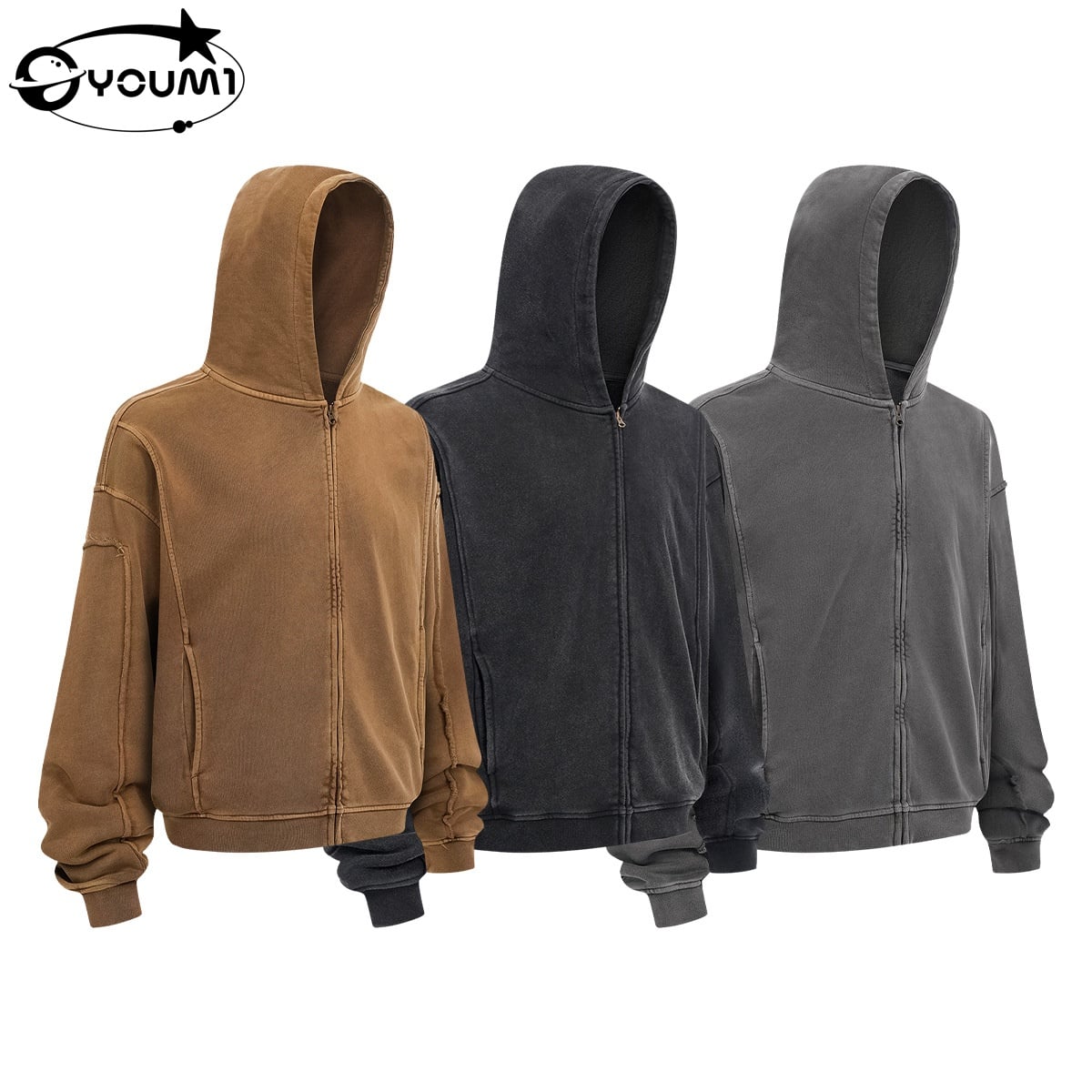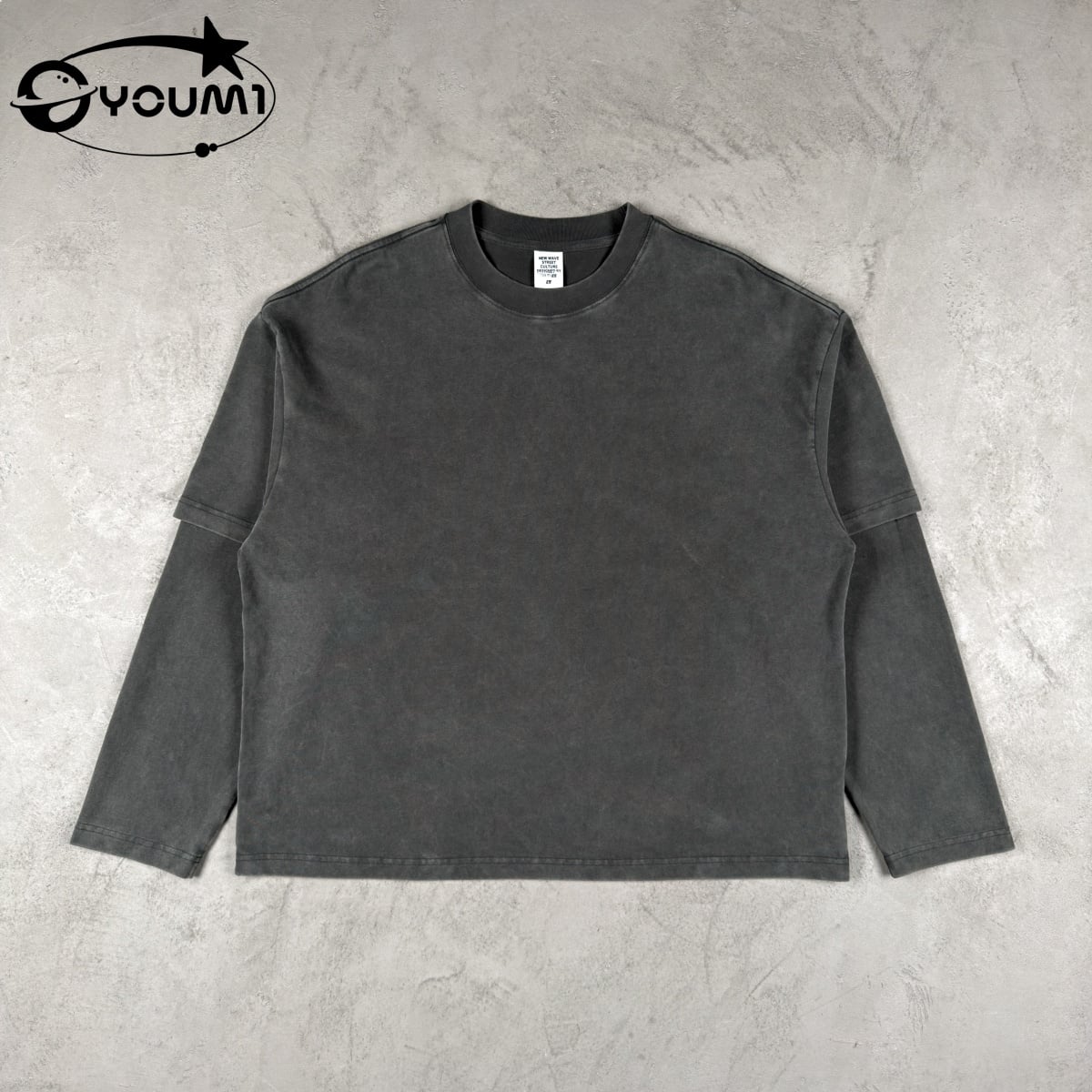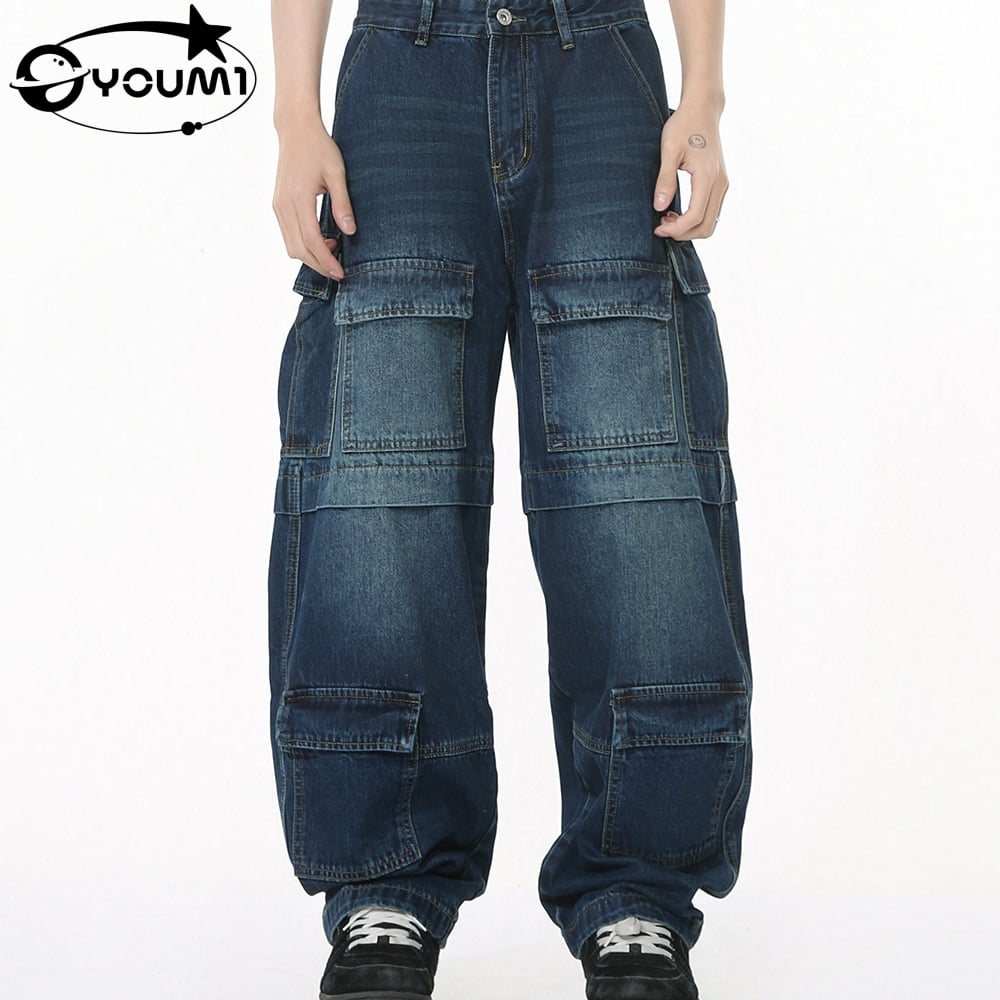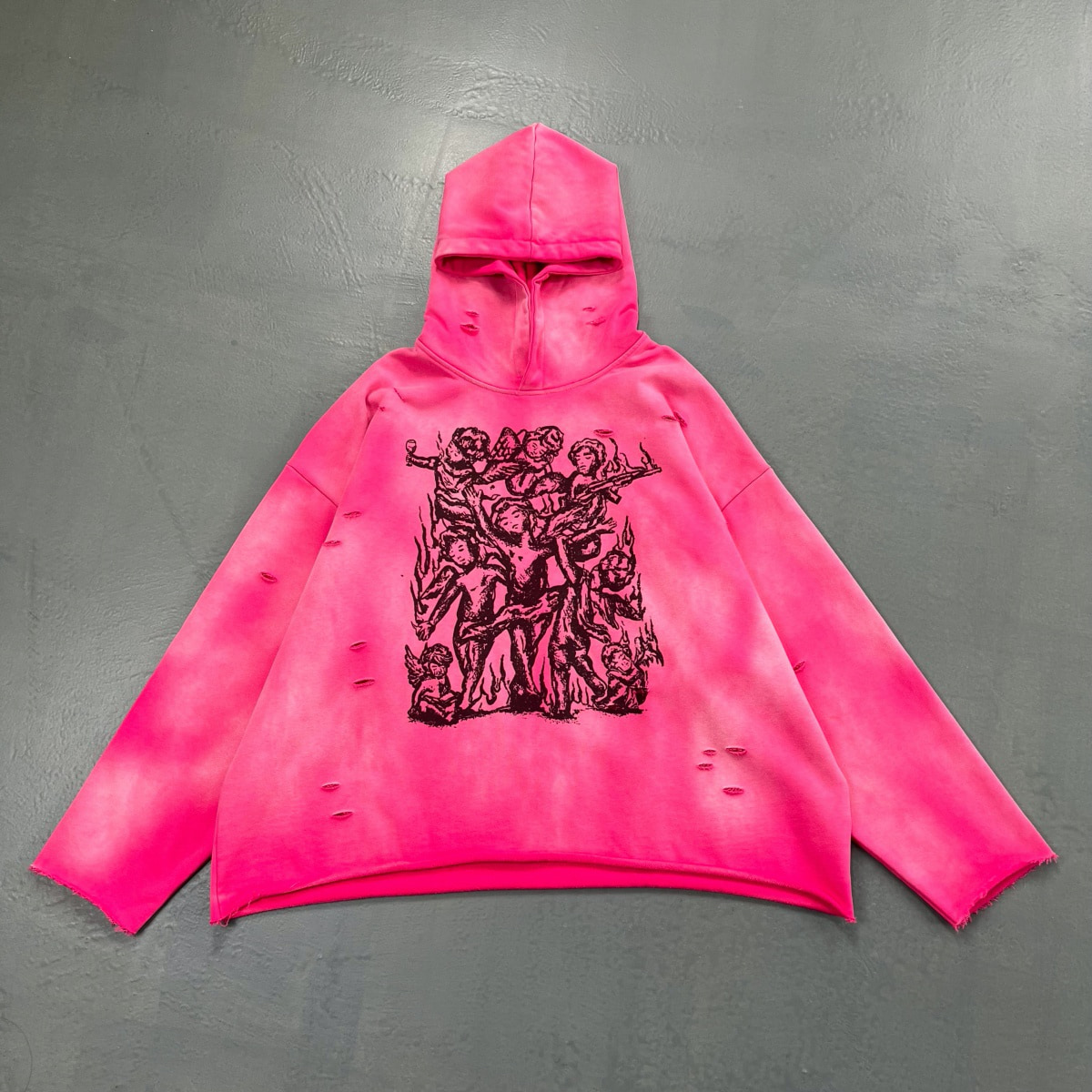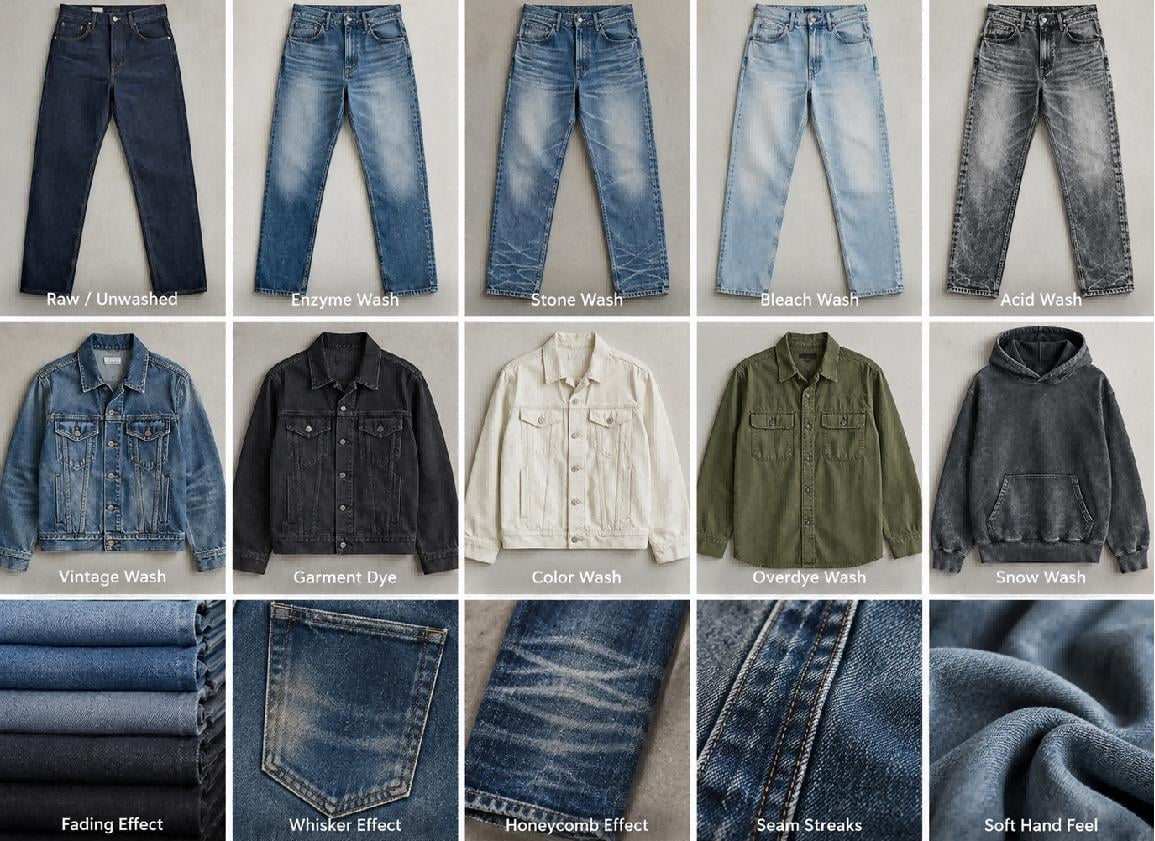
For apparel brands, especially those offering washed denim and cotton pieces, sample wash results often look perfect. Yet when moving to bulk manufacturing, uneven fading, color variation, hand feel differences and seam streaks frequently appear. Maintaining wash consistency from lab sample to mass production remains one of the biggest pain points for garment factories and startup clothing labels.
Core Factors That Break Wash Consistency
- Raw Fabric Variation Cotton and denim batches can differ in yarn twist, dye uptake, fabric density and shrinkage rate, even when ordered from the same mill. Slight differences in raw material will create obvious shade gaps after enzyme wash, stone wash, bleach wash or acid wash. Fabric pre-testing is non-negotiable before sampling.
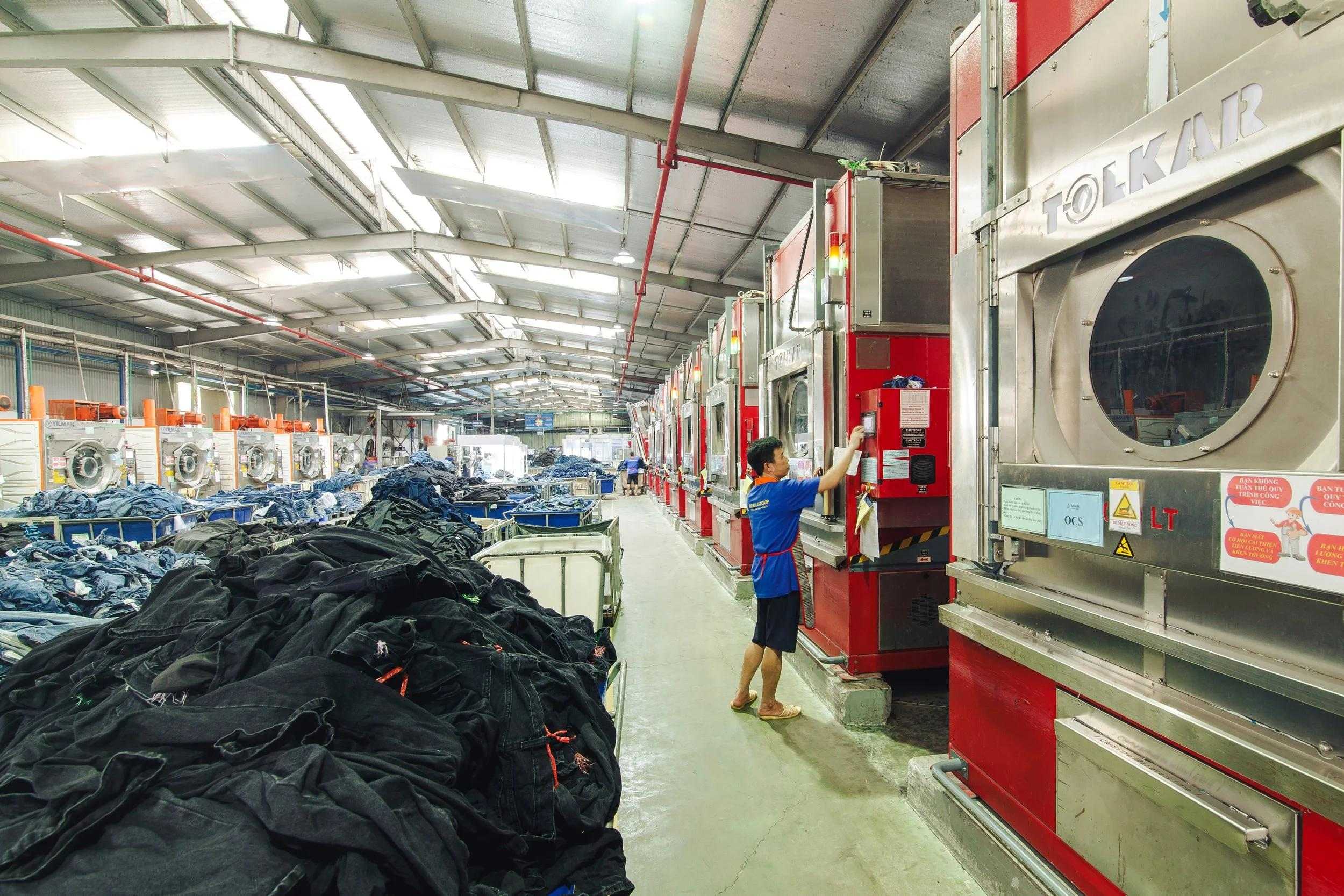
- Wash Formula & Process Parameters Wash effect depends heavily on chemical dosage, water temperature, treatment duration, machine loading capacity and rotation speed. A small change in enzyme concentration or soaking time can alter fading depth. Lab samples are usually processed in small test machines, while mass washers carry much larger loads. This scale gap is the main cause of inconsistency.
- Garment Construction Details Stitching, pocket layers, seam allowance and fabric stacking will affect how water and chemicals circulate around the garment. Thick seams tend to retain less bleach or enzyme, leading to lighter/darker streaks along seams. Pre-wash shrinkage of cut panels also impacts final garment dimensions and appearance.
- Post-wash Finishing & Drying Different drying methods — tumble dry, hang dry or oven dry — change fabric hand feel and final shade. Over-drying may cause extra fading; uneven drying creates patchy color. Softener type and dosage further influence touch and color stability.
Standard Controls to Align Sample & Bulk Wash
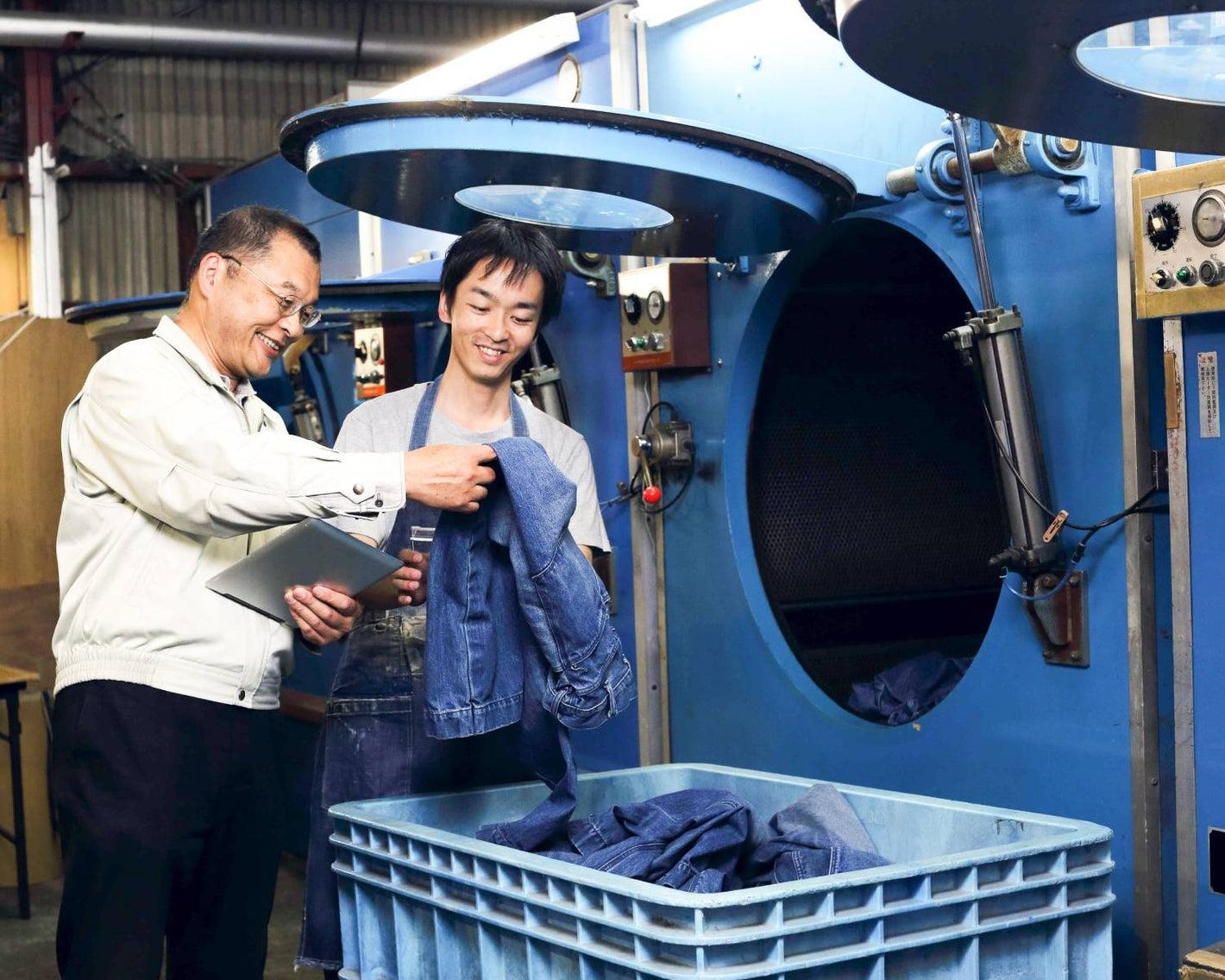
- Locked master sample & color standard: Create a sealed reference swatch + finished garment sample, define acceptable shade tolerance under D65 light source. Document all wash formulas and process sheets.
- Pre-production fabric lot test: Test wash performance on every incoming fabric batch. Reject batches that cannot match the master wash effect before cutting.
- Scale-up process simulation: Run small bulk trial washes using production washers, not lab mini machines. Adjust time, chemical load and water ratio to match sample outcome.
- Load management in mass wash: Control the number of garments per washing machine cycle. Avoid overloading, which restricts liquid flow and causes uneven wash.
- Inline QC check: Pull random garments mid-wash to check fading level. Hold full bulk until trial wash pieces are approved.
- Packaging protection: Avoid color transfer during packing after washing and drying.
Key Takeaway for Apparel Brands
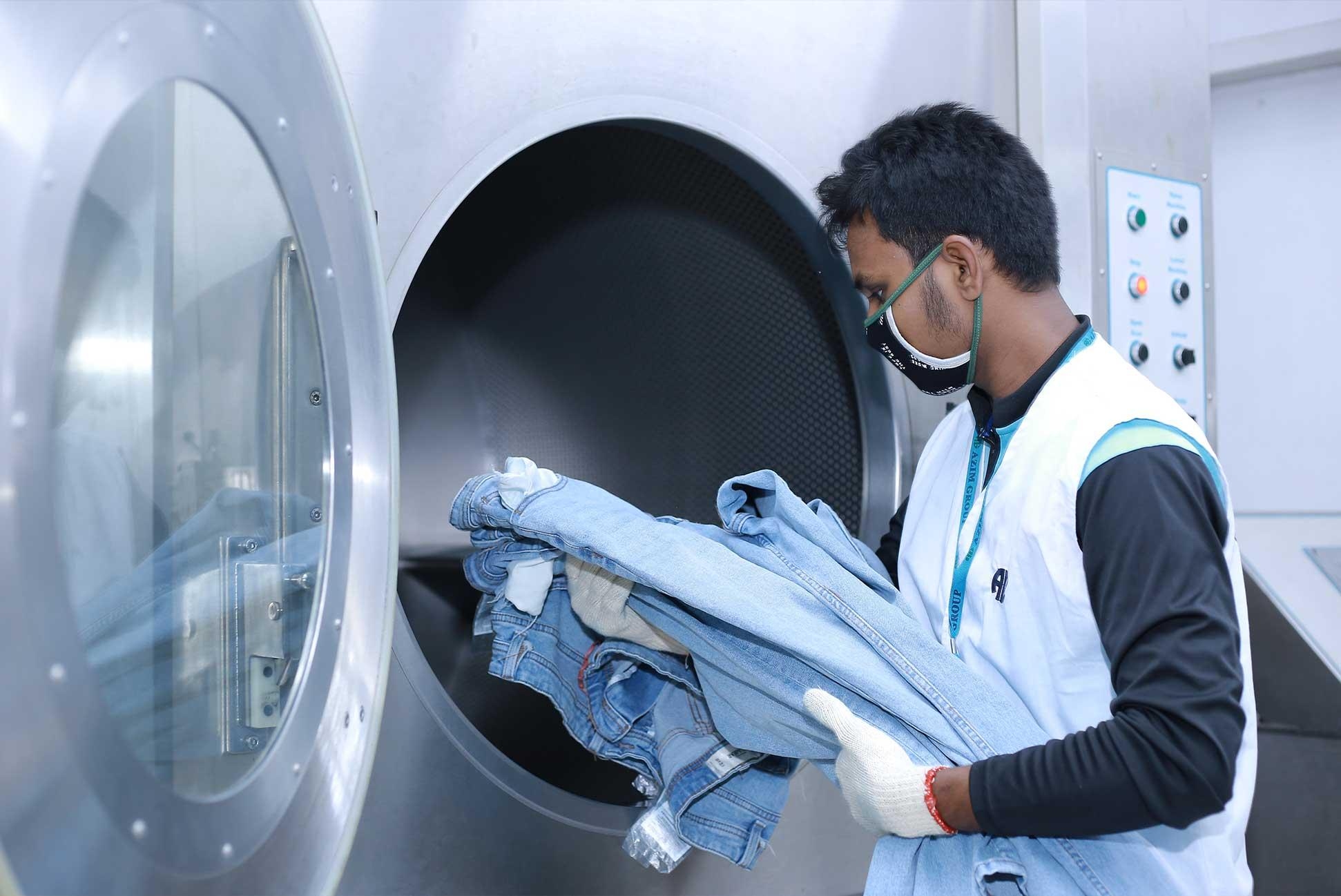
Wash effect is not only an aesthetic feature but also a reproducible manufacturing process. Many brands only confirm the visual sample without locking fabric specs and wash parameters. This leads to costly rework, delayed shipments and customer complaints.
Brands should work closely with wash houses to document every step of the wash recipe, validate fabric lots and perform pre-production trial runs. With standardized testing and clear tolerance rules, denim and cotton garments can maintain stable wash look and hand feel from sample all the way to mass delivery.
 ×
×
 Hot News
 EN
EN