 ×
A practical guide for streetwear brands preparing for bulk production
A strong streetwear collection starts long before bulk sewing begins. Even a detailed tech pack cannot fully reveal how a hoodie will fit, how denim will wash, or how an embroidered graphic will look on the finished garment. Pre-production sampling turns design ideas into physical products and gives brands clear checkpoints before committing to a full order.
The first development sample tests the basic design, silhouette, fabric direction, and construction. A manufacturer reviews sketches, reference images, measurements, and customization instructions to build an initial prototype. For an oversized hoodie, the brand may evaluate shoulder drop, body length, hood shape, pocket placement, and fabric weight. Feedback is then recorded so the pattern and details can be revised.
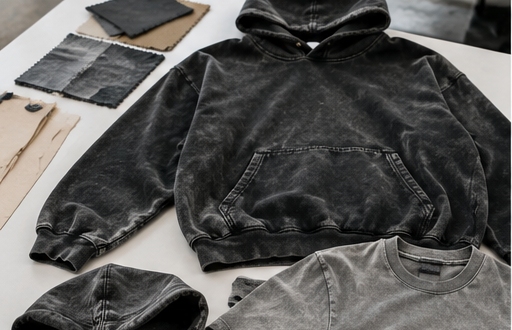
Illustrative image: sample garments, patterns, and fabric options.
Once the overall design is close to the target, fit samples are checked against the measurement chart. The brand reviews chest width, sleeve length, rise, inseam, and other points of measure relevant to the style. A size set may also be requested to verify grading between sizes. Measurements should be checked after any required wash or finishing process, especially for cotton fleece and denim, where shrinkage can affect the final fit.
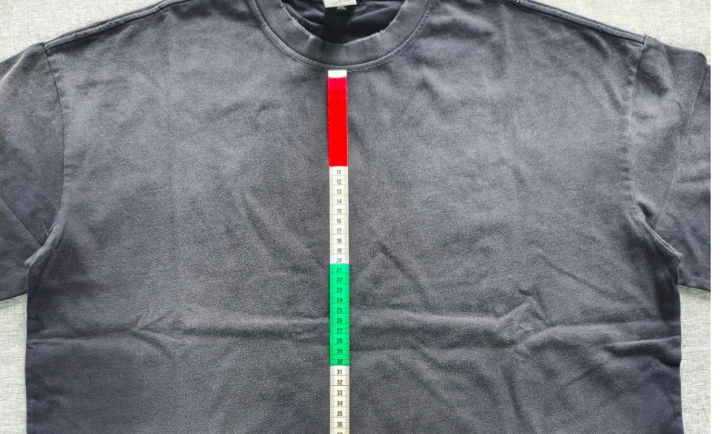
Illustrative image: hoodie measurements against a specification sheet.
The pre-production sample (PP sample) represents the intended bulk-production standard. Ideally, it uses approved fabric, trims, labels, colors, graphics, stitching, and washing effects. Brands should inspect print placement, embroidery quality, seam construction, hardware, care labels, and packaging requirements. A beautiful sample is not enough if its specifications cannot be repeated consistently in production.
Before issuing final approval, buyers should confirm the fit and measurement tolerances, fabric composition and weight, color references, decoration methods, wash appearance, trims, labels, and packing instructions. Photos, comments, updated tech packs, and a signed sample approval record help both teams work from the same standard. Any remaining changes should be documented and agreed upon before cutting begins.
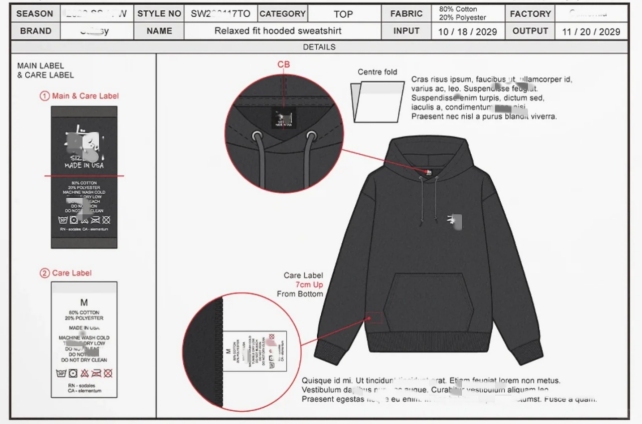
After approval, the PP sample becomes a reference for production and quality checks. The manufacturing team can align materials, patterns, sewing methods, and finishing requirements with the confirmed sample. Additional tests, such as shrinkage and colorfastness checks, may be needed depending on the fabric and design. Clear sample approval reduces avoidable rework, quality disputes, and delays.
At YOUMI Clothing, we support OEM/ODM streetwear development from design discussions and sampling to bulk production. Our team helps brands review garment construction, customization techniques, and practical production requirements. Whether you are developing hoodies, T-shirts, denim, or matching sets, a structured sampling process creates a stronger foundation for a reliable launch.
Planning your next collection? Contact YOUMI Clothing to discuss sample development and production requirements.
 Hot News
2026-11-19
2026-11-17
2026-11-13
2026-11-10
2026-11-05
2026-11-03
Youmi Clothing (Dongguan) Co., Ltd. provides custom OEM/ODM streetwear manufacturing for global brands. 24+ years’ expertise, ISO/BSCI/OEKO-TEX certified, 5-step QC, fast sampling. Trusted by Red Bull & Ekko Vision. Request a quote today.
No. 1 Fusheng Rd, Baisha 3rd Village, Humen, Dongguan, Guangdong, China
Copyright © 2026 Youmi Clothing (Dongguan) Co., Ltd. All rights reserved. Privacy Policy

 EN