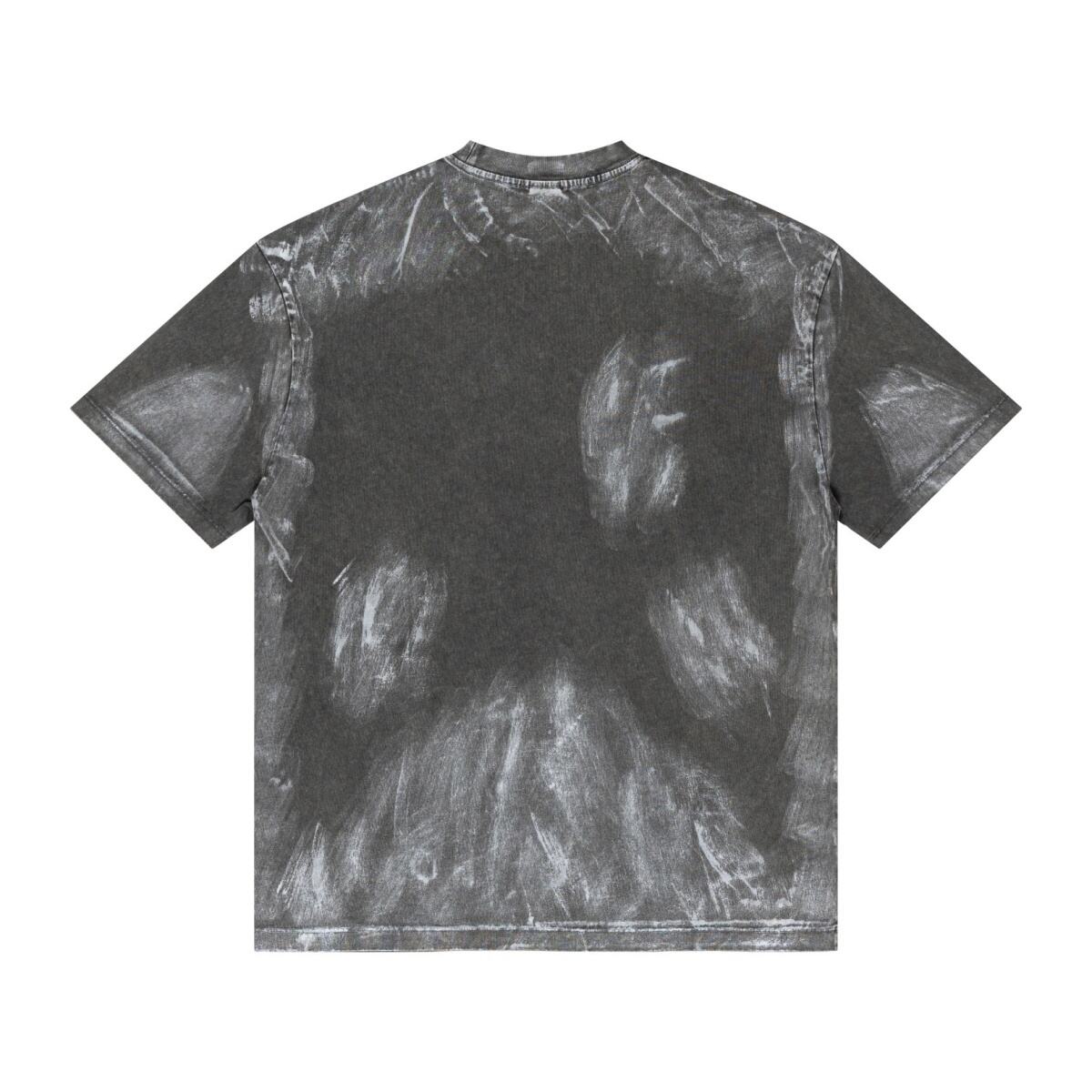
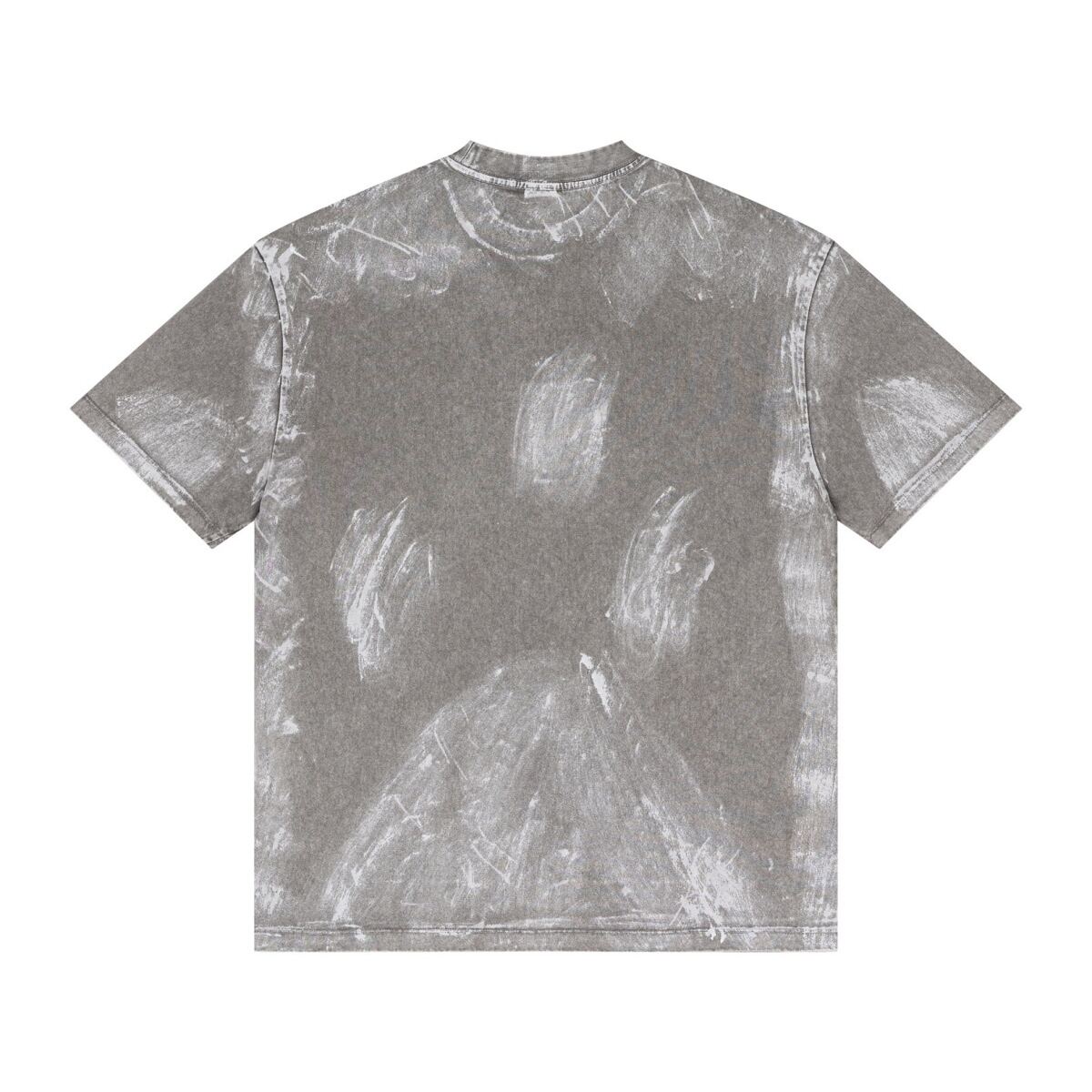
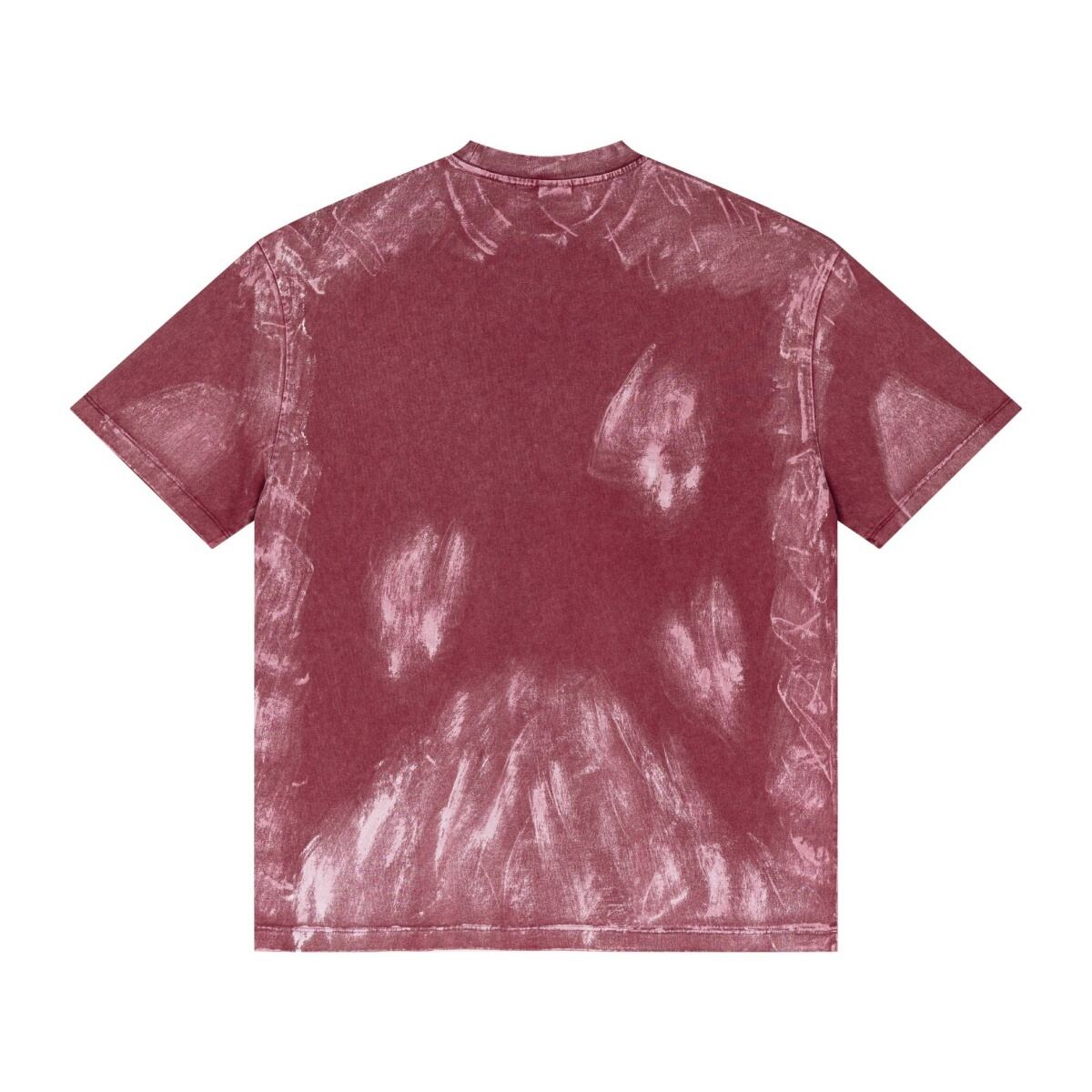
Manufacturing Garment Factory Solutions

Get a Free Quote

Our representative will contact you soon.
Email
Name
Company Name
Message
0/1000

manufacturing garment factory

A manufacturing garment factory is a specialized production facility dedicated to creating clothing and textile products through systematic processes and modern equipment. These factories serve as the backbone of the fashion and apparel industry, transforming raw materials such as fabrics, threads, and accessories into finished garments ready for retail distribution. The manufacturing garment factory operates through multiple integrated stages including pattern making, fabric cutting, sewing, quality control, and packaging. Advanced factories employ computer-aided design systems, automated cutting machines, industrial sewing equipment, and finishing technologies to ensure precision and efficiency. The primary function of a manufacturing garment factory extends beyond simple production, encompassing design interpretation, material sourcing, production planning, and logistics coordination. Modern facilities integrate lean manufacturing principles to minimize waste and optimize workflow. These factories cater to diverse market segments, producing everything from basic everyday wear to high-end fashion collections. The technological features of a manufacturing garment factory include digital pattern grading, automated fabric spreading systems, computerized embroidery machines, and quality inspection tools. Applications span across multiple sectors including fast fashion, corporate uniforms, sportswear, children's clothing, and specialized protective garments. The manufacturing garment factory plays a crucial role in global supply chains, connecting designers and brands with consumers while maintaining production standards and delivery schedules that meet international market demands.

New Product Recommendations

Choosing a reliable manufacturing garment factory delivers substantial practical benefits that directly impact your business success and profitability. First, you gain access to specialized expertise and skilled labor that ensures consistent product quality across all production runs. This expertise translates into fewer defects, reduced returns, and enhanced customer satisfaction. The manufacturing garment factory provides economies of scale that lower per-unit costs significantly compared to small-scale production, allowing you to price products competitively while maintaining healthy profit margins. Operational efficiency stands as another major advantage, as established factories have streamlined processes that reduce lead times and accelerate time-to-market for new designs. You benefit from flexible production capacity that can scale up during peak seasons or accommodate smaller batches for testing new styles without major capital investment. A professional manufacturing garment factory maintains relationships with fabric suppliers and accessory vendors, giving you access to better material prices and wider selection options. Quality control systems embedded throughout the production process catch issues early, preventing costly mistakes and ensuring compliance with industry standards and safety regulations. The manufacturing garment factory handles complex logistics including inventory management, packaging, and shipping coordination, freeing you to focus on design, marketing, and customer relationships. Risk mitigation is another valuable benefit, as experienced factories understand compliance requirements, labor regulations, and export documentation, reducing legal and operational risks. Additionally, many factories offer value-added services such as sample development, technical consulting, and trend analysis that support your product development process. Working with a manufacturing garment factory provides business continuity and reliability, ensuring your production needs are met consistently regardless of market fluctuations or seasonal demands.

Latest News

How Do You Create a High-Quality Custom Hoodie for Your Brand?

15

Jun

How Do You Create a High-Quality Custom Hoodie for Your Brand?

Building a strong brand identity through apparel starts with getting the details right, and a well-executed custom hoodie is one of the most powerful tools available to modern brands. Whether you are launching a streetwear label, creating branded mer...
View More
How Does a 24-Year Factory Ensure Excellence for Custom Shorts?

03

Jun

How Does a 24-Year Factory Ensure Excellence for Custom Shorts?

When buyers source custom shorts for their brand, one of the most important questions is simple: can this factory actually deliver consistent quality at scale? Choosing the right manufacturing partner for custom shorts is not just about price. It is ...
View More
How to Choose a Hoodie Manufacturer with Premium Craftsmanship?

05

Jun

How to Choose a Hoodie Manufacturer with Premium Craftsmanship?

Choosing the right hoodie manufacturer is one of the most consequential decisions a brand owner or retailer will make. A skilled hoodie manufacturer determines not only the quality of your finished product but also the reliability of your supply chai...
View More
Why Is Partnering with a Certified Streetwear Manufacturer Essential?

10

Jun

Why Is Partnering with a Certified Streetwear Manufacturer Essential?

Choosing the right production partner is one of the most critical decisions any streetwear brand will make. Working with a certified streetwear manufacturer is not simply a preference — it is a strategic necessity for brands that want to scale, prote...
View More

Get a Free Quote

Our representative will contact you soon.
Email
Name
Company Name
Message
0/1000

manufacturing garment factory

Advanced Production Technology Integration

Advanced Production Technology Integration

Modern manufacturing garment factory facilities incorporate cutting-edge technology that revolutionizes traditional clothing production methods. Computer-aided design and manufacturing systems enable precise pattern creation and efficient fabric utilization, minimizing material waste while maximizing output quality. Automated cutting tables equipped with digital controls ensure accuracy across thousands of pieces, maintaining consistency that manual cutting cannot achieve. Industrial sewing machines with programmable settings handle complex stitching patterns and multiple fabric types, adapting quickly to different garment styles. The manufacturing garment factory utilizes quality inspection systems with optical sensors and artificial intelligence to detect defects invisible to the human eye, ensuring every piece meets specified standards. This technological integration reduces production time significantly, allowing faster response to market trends and customer demands. Investment in advanced machinery also improves worker safety and reduces physical strain, leading to better productivity and lower employee turnover. The combination of human skill and technological precision creates a manufacturing environment where quality and efficiency coexist, delivering superior products while maintaining cost-effectiveness that benefits both manufacturers and buyers.
Scalable Production Capacity and Flexibility

Scalable Production Capacity and Flexibility

A professional manufacturing garment factory offers unparalleled scalability that adapts to your evolving business needs and market opportunities. Whether you require a small batch of 500 units for a limited collection or large-scale production of 50,000 pieces for mass distribution, the factory infrastructure can accommodate varying order volumes without compromising quality standards. This flexibility proves invaluable for brands testing new markets or seasonal collections with uncertain demand forecasts. The manufacturing garment factory maintains diversified production lines that handle different garment categories simultaneously, from lightweight summer dresses to heavy winter coats, allowing you to manage a varied product portfolio through a single manufacturing partner. Skilled production planners optimize workflow to balance multiple orders efficiently, ensuring deadline adherence across all projects. The ability to quickly pivot between styles and adjust production schedules provides competitive advantage in fast-moving fashion markets where trends shift rapidly. Additionally, modular production setups enable factories to dedicate specific lines to specialized requirements such as sustainable materials or technical sportswear, ensuring appropriate handling for different fabric types and construction techniques. This scalability and flexibility eliminate the need for maintaining multiple vendor relationships, simplifying supply chain management while providing consistent quality across your entire product range.
Comprehensive Quality Assurance Systems

Comprehensive Quality Assurance Systems

Quality assurance represents the cornerstone of every reputable manufacturing garment factory, implemented through multi-stage inspection protocols that safeguard product excellence. The quality journey begins with incoming raw material inspection, where fabric specifications, color accuracy, and structural integrity are verified against approved standards before production commences. During manufacturing, in-process quality checks monitor critical points such as seam strength, stitching accuracy, and component attachment, catching potential issues before they propagate through the production line. The manufacturing garment factory employs trained quality control specialists who understand international standards and brand-specific requirements, ensuring compliance with technical specifications and safety regulations. Final inspection includes detailed examination of finished garments for dimensional accuracy, colorfastness, functional features, and overall appearance before packaging. Random sampling and statistical quality control methods provide objective performance metrics that drive continuous improvement initiatives. Advanced facilities maintain testing laboratories equipped with instruments measuring fabric strength, shrinkage, color stability, and other performance characteristics. This comprehensive quality framework minimizes defect rates, reduces costly rework, and protects brand reputation by ensuring only products meeting established criteria reach customers. Documentation systems track quality data throughout production, providing transparency and traceability that support accountability and facilitate issue resolution when needed.
Manufacturing Garment Factory Solutions

Get a Free Quote

Our representative will contact you soon.
Email
Name
Company Name
Message
0/1000