Factory That Makes Clothes - Manufacturing Guide

Get a Free Quote

Our representative will contact you soon.
Email
Name
Company Name
Message
0/1000

factory that makes clothes

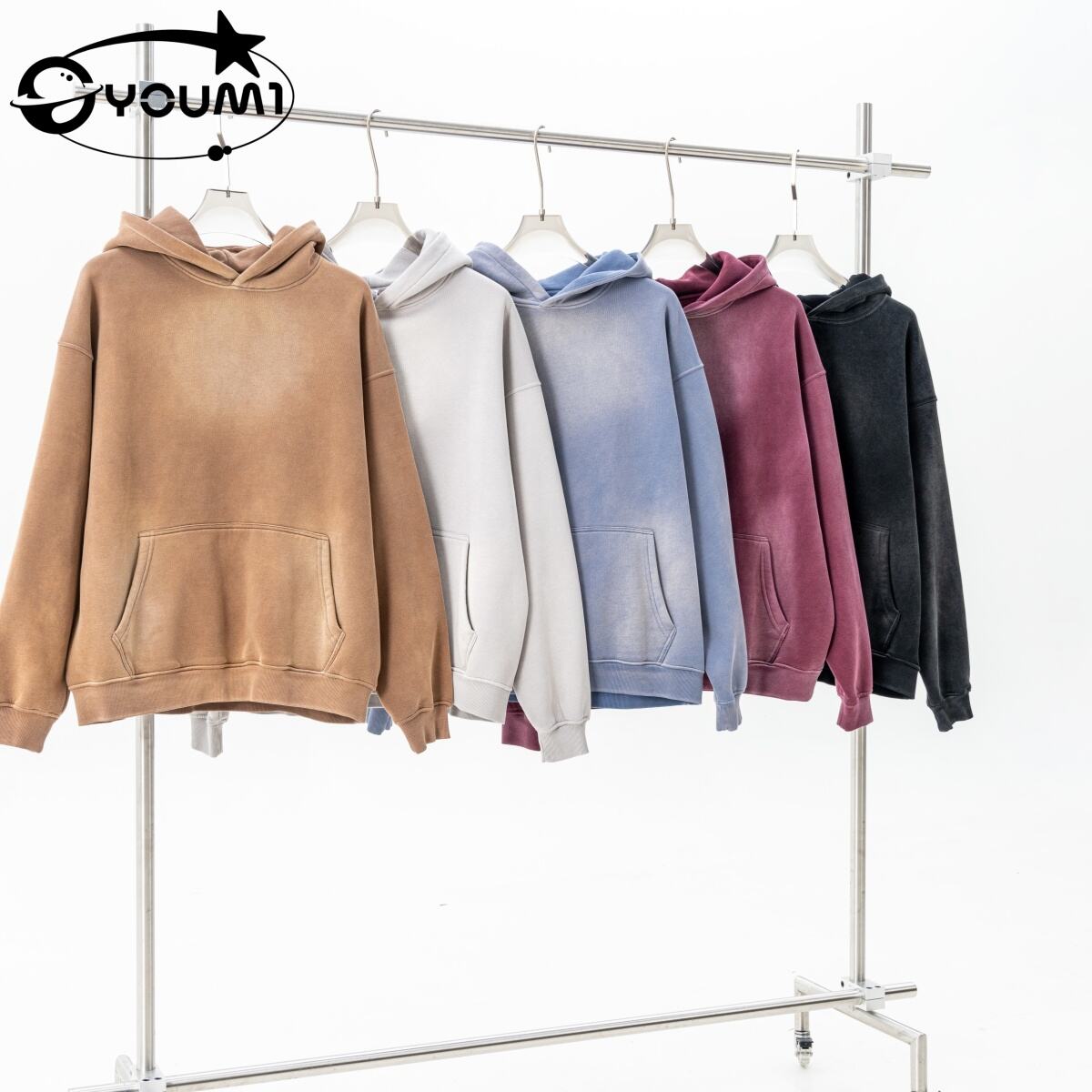
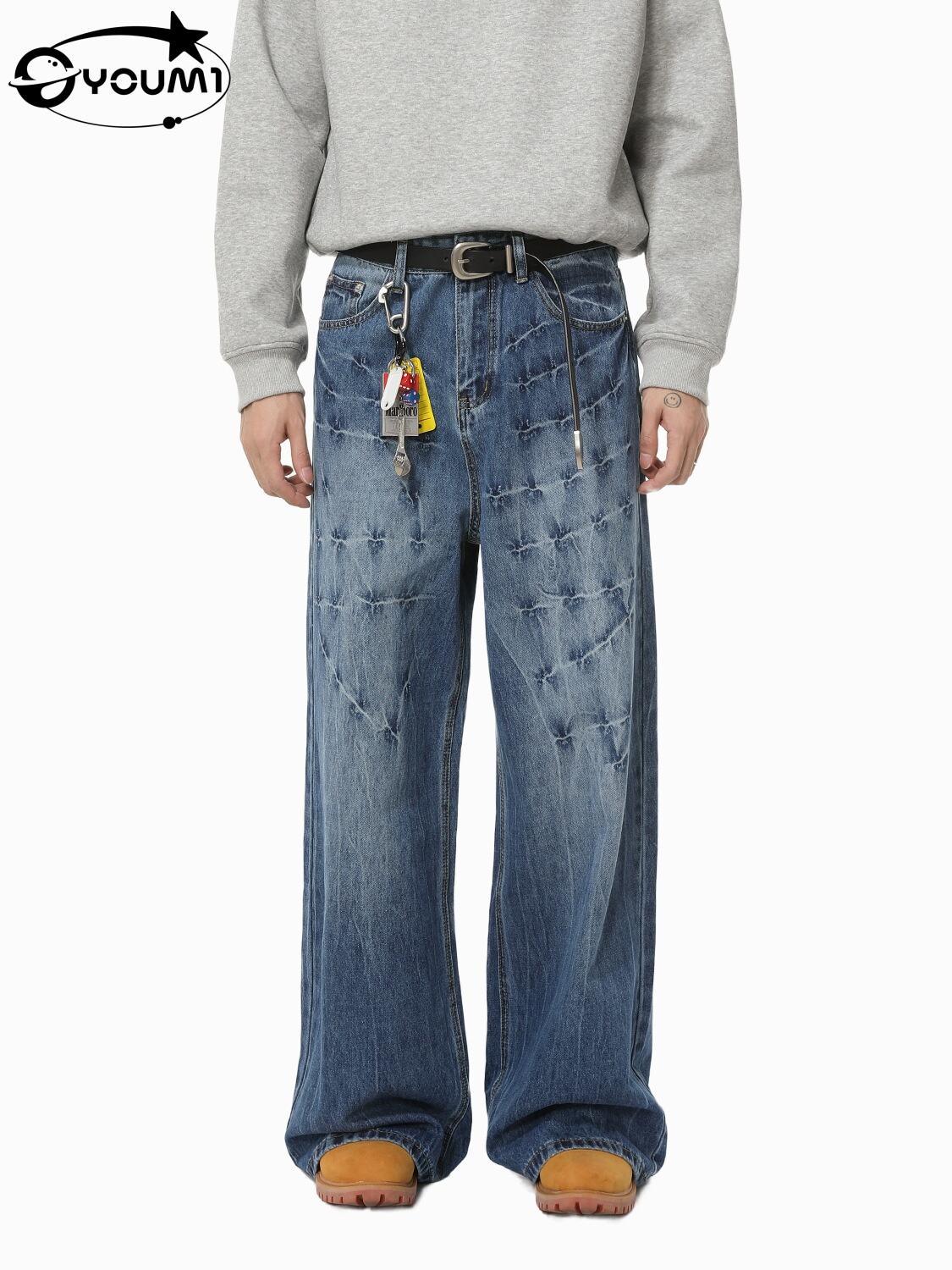
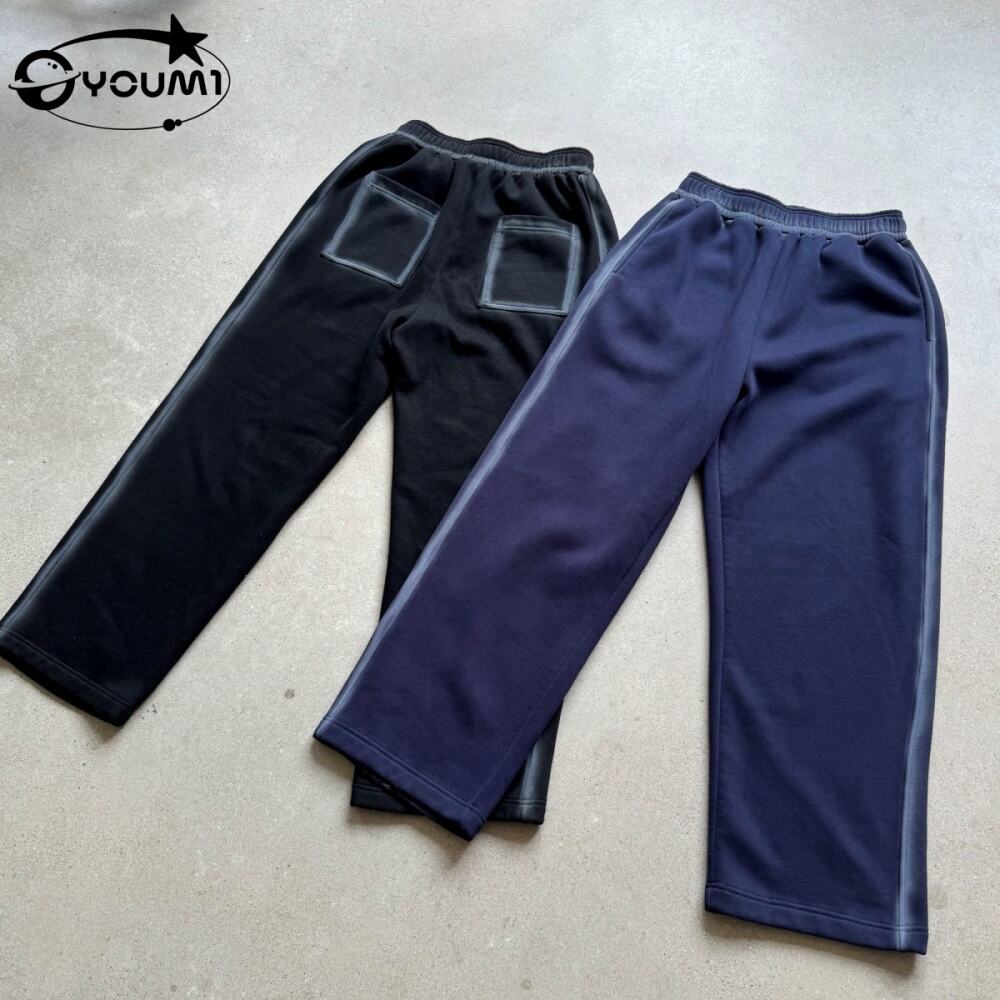
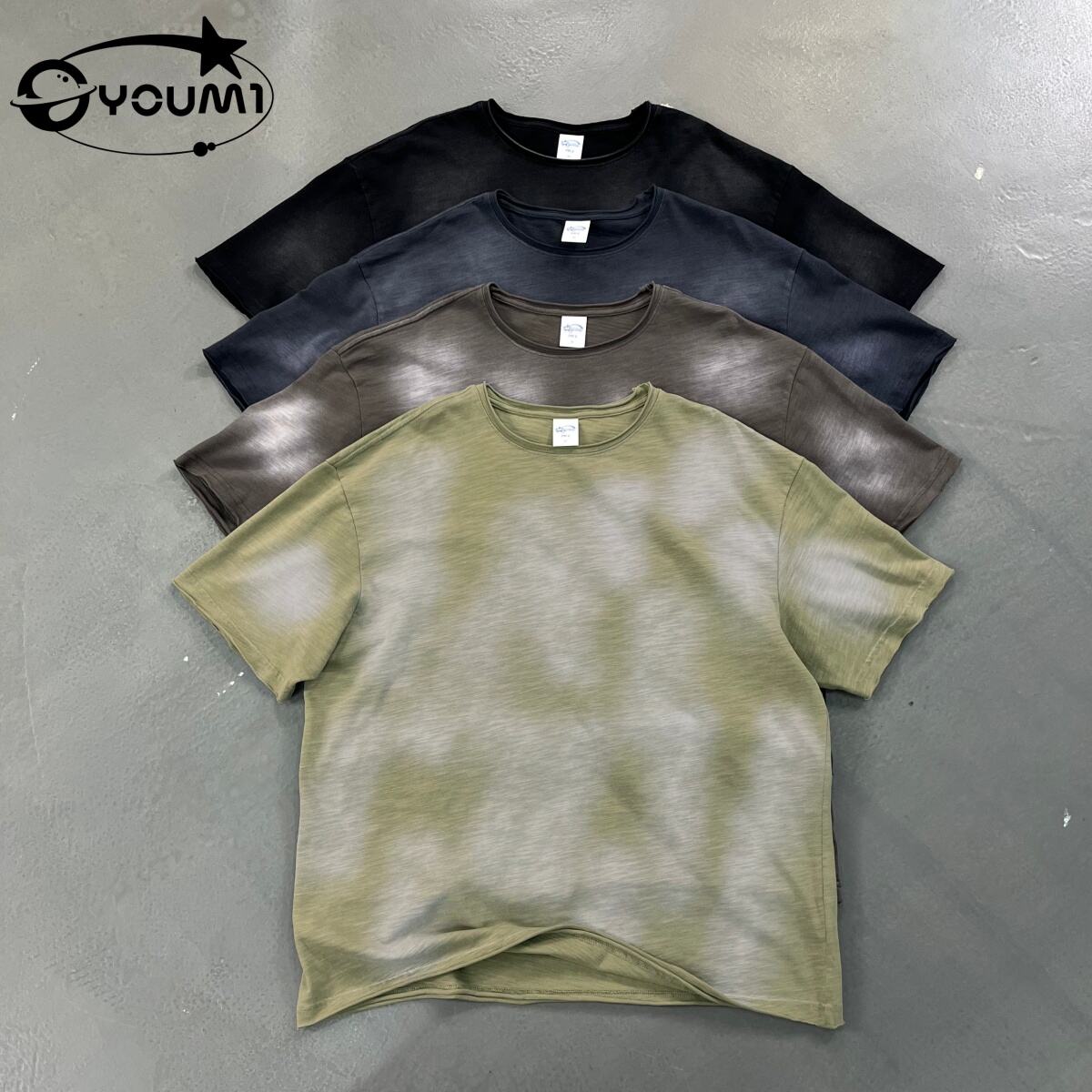
A factory that makes clothes is a specialized manufacturing facility designed to transform raw materials into finished garments through systematic production processes. These facilities integrate cutting-edge machinery, skilled labor, and quality control systems to produce clothing items at scale. Modern factories that make clothes employ advanced technologies including computer-aided design systems, automated cutting machines, industrial sewing equipment, and finishing tools to ensure precision and efficiency. The primary function of a factory that makes clothes encompasses pattern making, fabric cutting, sewing, quality inspection, and packaging operations. These facilities serve diverse market segments ranging from fast fashion retailers to luxury brands, producing everything from basic t-shirts to complex tailored garments. The technological features include fabric spreading tables, computerized embroidery machines, heat press systems, and conveyor-based assembly lines that optimize workflow. A factory that makes clothes typically operates with organized production floors where each workstation handles specific tasks, enabling mass production while maintaining consistent quality standards. Applications span across multiple industries including fashion retail, corporate uniforms, sportswear, and protective clothing manufacturing. These factories adapt their capabilities based on order specifications, fabric types, and design complexity, offering flexibility from small batch production to large-scale manufacturing runs that meet global demand for diverse clothing categories.

New Products

Choosing the right factory that makes clothes delivers significant benefits that directly impact your business profitability and product quality. First, established factories provide cost efficiency through economies of scale, reducing per-unit production costs while maintaining quality standards. You gain access to experienced personnel who understand garment construction techniques, ensuring your products meet market expectations without extensive supervision. A reputable factory that makes clothes offers supply chain reliability, meaning consistent delivery schedules that help you maintain inventory levels and meet customer commitments. The operational advantage includes access to specialized equipment that would be prohibitively expensive to purchase independently, from industrial overlock machines to buttonhole systems. Quality assurance protocols built into factory operations reduce defect rates, minimizing returns and protecting your brand reputation. When you partner with a factory that makes clothes, you benefit from their established vendor relationships for fabrics, trims, and accessories, often securing better pricing than individual buyers. The flexibility these facilities offer allows you to test new designs with smaller production runs before committing to large orders, reducing financial risk. Technical expertise available in a factory that makes clothes means your designs receive professional input regarding feasibility, fabric selection, and construction methods that enhance final product quality. Time savings represent another crucial advantage, as factories handle everything from sourcing materials to final packaging, freeing you to focus on design, marketing, and sales activities. Additionally, scalability becomes manageable since production capacity can adjust according to seasonal demands or business growth without requiring capital investment in equipment or facilities.

Latest News

How Does a 24-Year Factory Ensure Excellence for Custom Shorts?

03

Jun

How Does a 24-Year Factory Ensure Excellence for Custom Shorts?

When buyers source custom shorts for their brand, one of the most important questions is simple: can this factory actually deliver consistent quality at scale? Choosing the right manufacturing partner for custom shorts is not just about price. It is ...
View More
Why Do Big Brands Trust This Certified Custom Clothing Manufacturer?

08

Jun

Why Do Big Brands Trust This Certified Custom Clothing Manufacturer?

Choosing the right production partner is one of the most consequential decisions a brand can make. When global labels and fast-growing retail companies evaluate their supply chain, they do not simply look for the lowest price. They look for a custom ...
View More
Why Are Leading Clothing Manufacturers in China Best for Custom Apparel?

19

Jun

Why Are Leading Clothing Manufacturers in China Best for Custom Apparel?

When brands around the world search for reliable production partners, clothing manufacturers in China consistently rise to the top of the list. This is not a coincidence. Decades of industrial investment, skilled labor development, and supply chain r...
View More
How Can a Premium Washed Hoodie Enhance Your Brand Aesthetic?

24

Jun

How Can a Premium Washed Hoodie Enhance Your Brand Aesthetic?

A washed hoodie is no longer just a casual wardrobe staple — it has become a powerful tool for brands seeking to communicate authenticity, depth, and creative identity. The distinctive sun-faded finish of a premium washed hoodie sets it apart from st...
View More

Get a Free Quote

Our representative will contact you soon.
Email
Name
Company Name
Message
0/1000

factory that makes clothes

Advanced Production Technology Integration

Advanced Production Technology Integration

A modern factory that makes clothes incorporates sophisticated technological systems that revolutionize garment manufacturing efficiency and precision. Computer-aided design software allows for digital pattern creation and modification, eliminating material waste and reducing development time significantly. Automated fabric cutting systems equipped with laser or rotary blade technology ensure accuracy within millimeters, maximizing fabric utilization and maintaining consistency across thousands of pieces. These factories implement programmable sewing machines that execute complex stitch patterns with minimal operator intervention, increasing production speed while reducing human error. Digital printing capabilities enable customization and small-batch production economically, opening opportunities for personalized clothing lines. Real-time production monitoring systems track workflow efficiency, identify bottlenecks, and provide data analytics that inform process improvements. This technological integration within a factory that makes clothes translates to faster turnaround times, superior product consistency, and competitive pricing structures that benefit brands and retailers seeking reliable manufacturing partners who can adapt to rapidly changing fashion trends and consumer preferences.
Comprehensive Quality Control Systems

Comprehensive Quality Control Systems

Quality assurance represents a fundamental strength of an established factory that makes clothes, implementing multi-stage inspection protocols that protect brand integrity and customer satisfaction. The process begins with incoming material inspection where fabric quality, colorfastness, and dimensional stability receive thorough evaluation before entering production. During manufacturing, inline quality checkpoints monitor stitching accuracy, seam strength, and construction specifications at each assembly stage rather than waiting until completion. Dedicated quality control personnel conduct detailed examinations using standardized measurement tools and reference samples to ensure garments match approved specifications. A factory that makes clothes typically maintains testing laboratories equipped with washing machines, tensile strength testers, and colorfastness equipment to verify durability standards. Final inspection procedures assess finished garments for defects including needle holes, staining, incorrect sizing, and packaging integrity before shipping approval. Documentation systems track quality metrics across production batches, enabling traceability and continuous improvement initiatives. This comprehensive approach minimizes defective products reaching customers, reduces costly returns, and builds long-term trust between manufacturers and brands, ultimately contributing to market success and positive consumer experiences.
Flexible Production Capacity and Scalability

Flexible Production Capacity and Scalability

The ability to scale production volume according to market demand represents a critical advantage when working with a professional factory that makes clothes. These facilities maintain versatile production lines capable of handling diverse order sizes, from prototype samples to mass production runs exceeding thousands of units. Modular workstation arrangements allow factories to allocate resources efficiently, dedicating teams to specific projects based on complexity and urgency requirements. Seasonal fluctuations in fashion demand require manufacturing partners who can ramp up capacity during peak periods without compromising delivery schedules or quality standards. A factory that makes clothes achieves this flexibility through cross-trained workforce capabilities, strategic equipment investment, and established subcontracting networks that provide overflow capacity when needed. This scalability extends to product variety, accommodating multiple garment categories simultaneously whether producing simple basics or intricate designs requiring specialized techniques. Rush order capabilities supported by extended shift operations ensure time-sensitive collections reach market when consumer interest peaks. For emerging brands, this flexibility means starting with manageable order quantities while retaining the option to increase volume as business grows, eliminating the need to change manufacturing partners and maintaining consistency in product quality throughout business expansion phases.
Factory That Makes Clothes - Manufacturing Guide

Get a Free Quote

Our representative will contact you soon.
Email
Name
Company Name
Message
0/1000