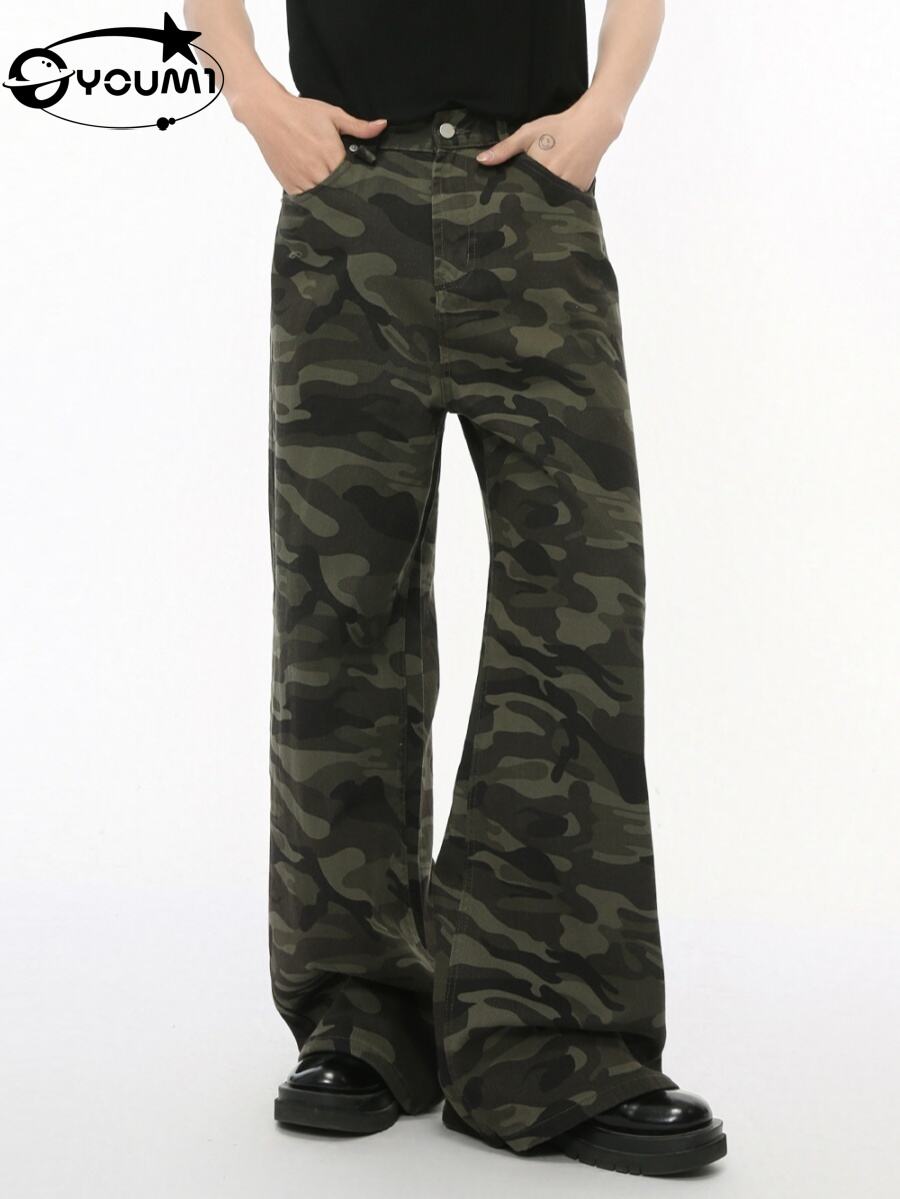
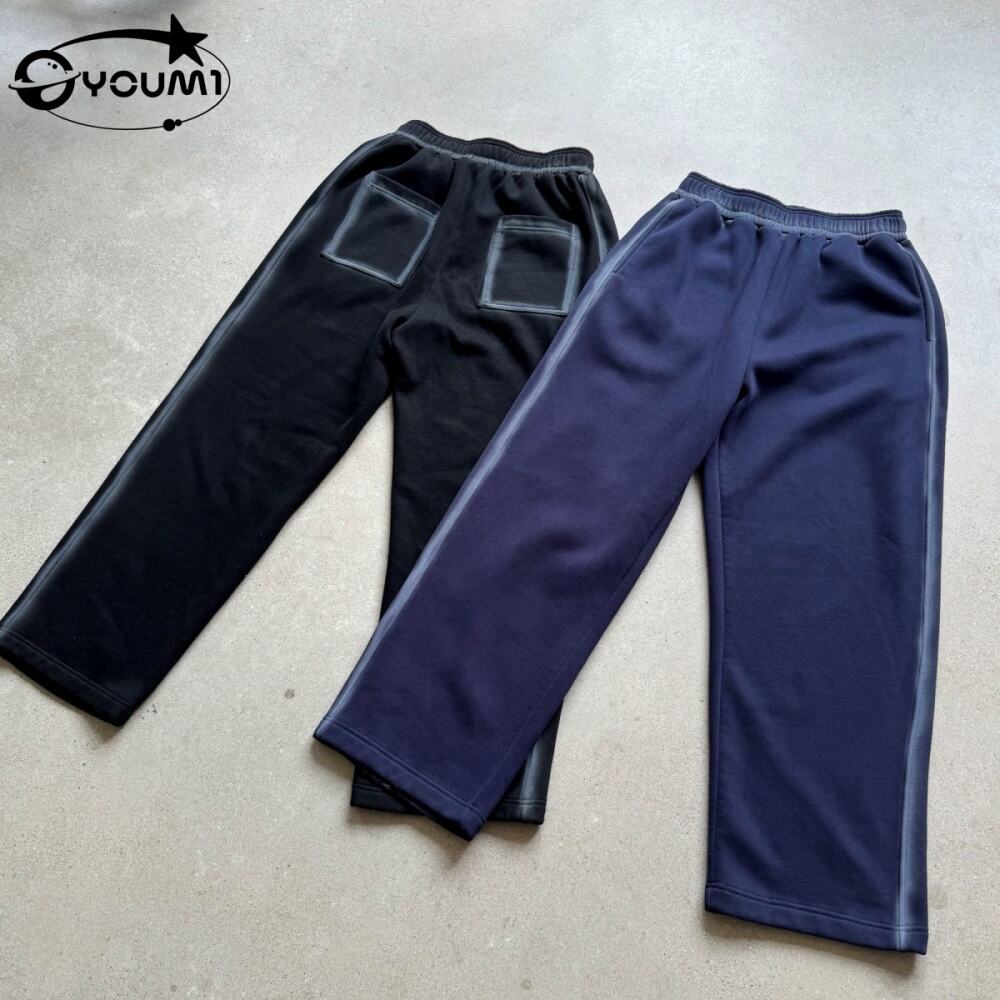
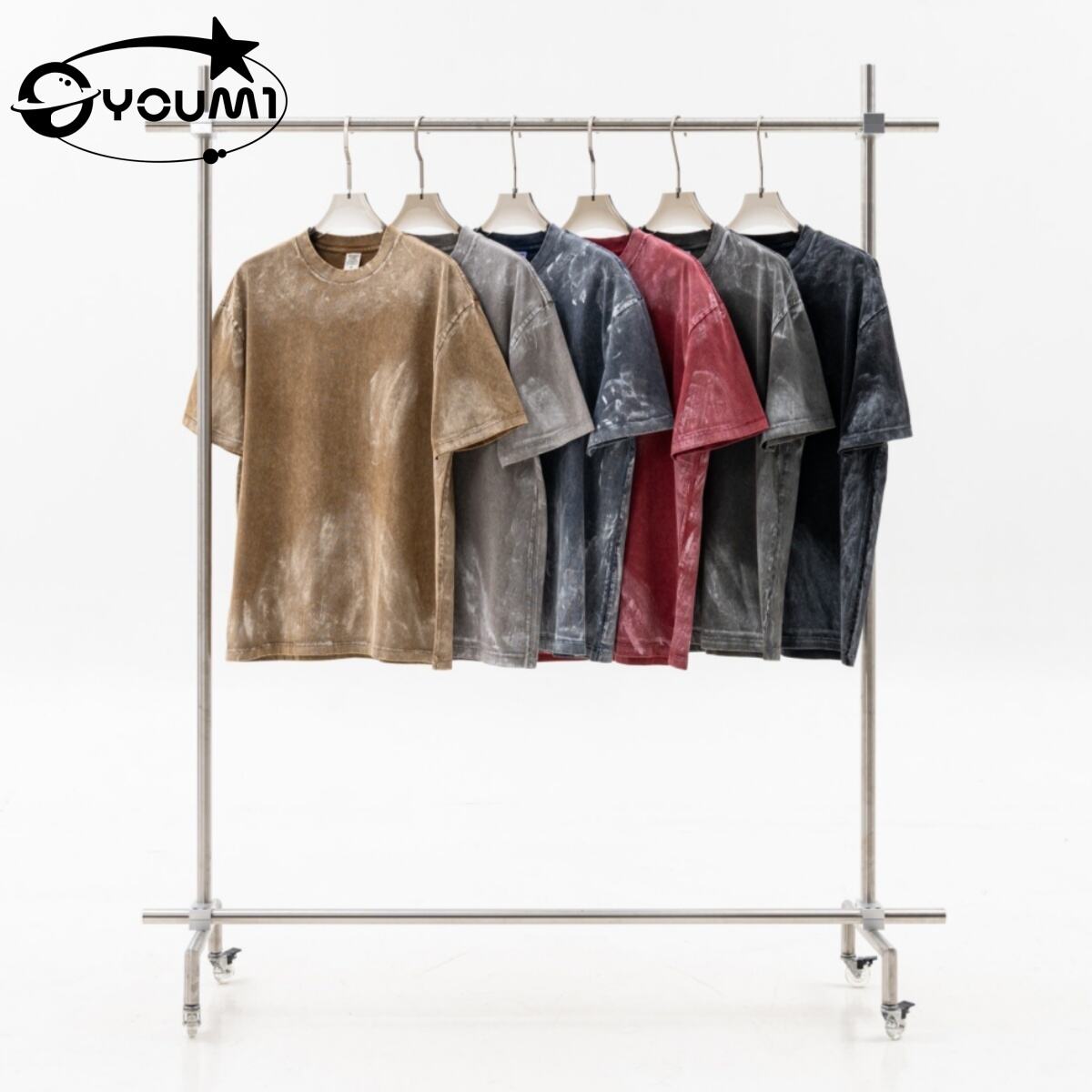
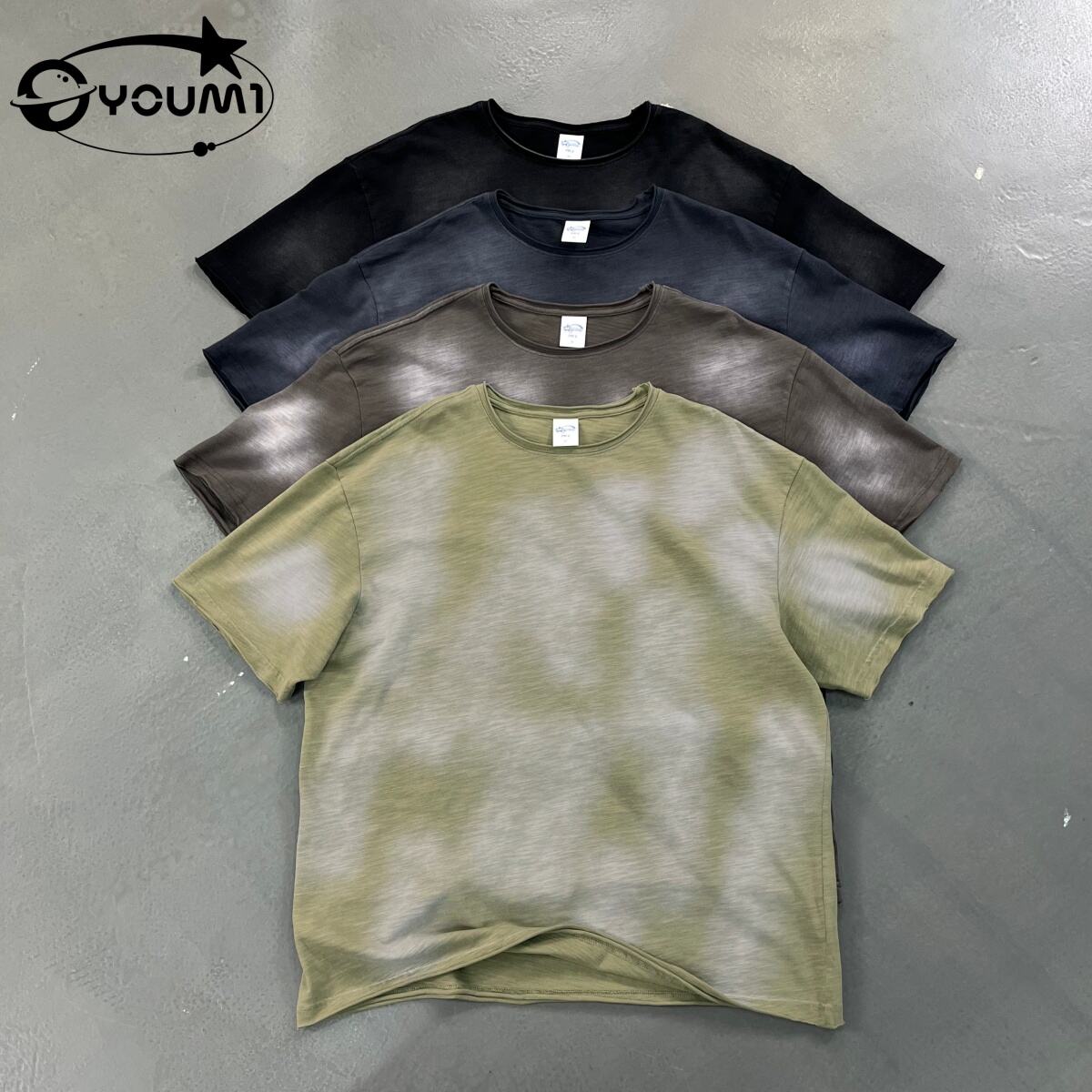
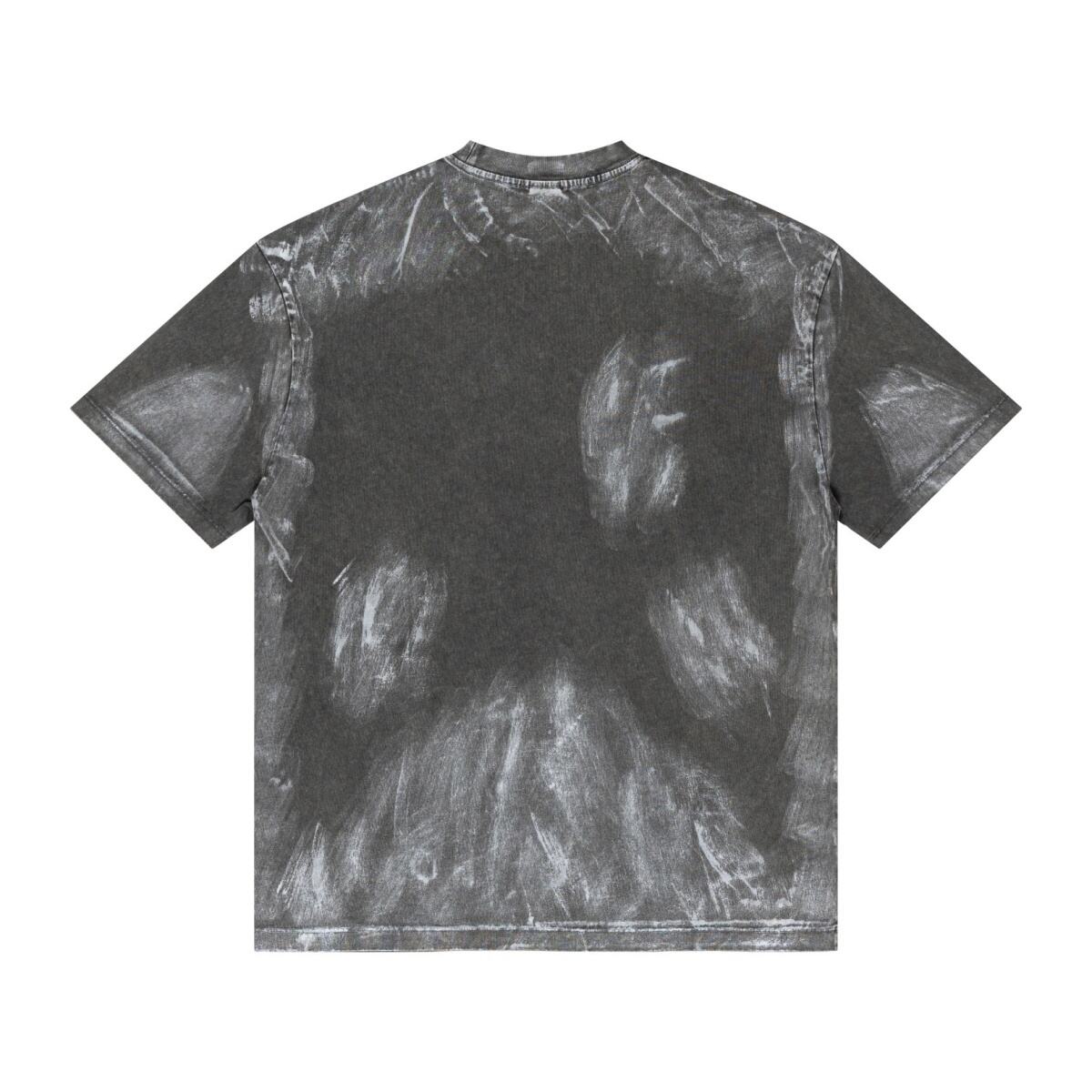
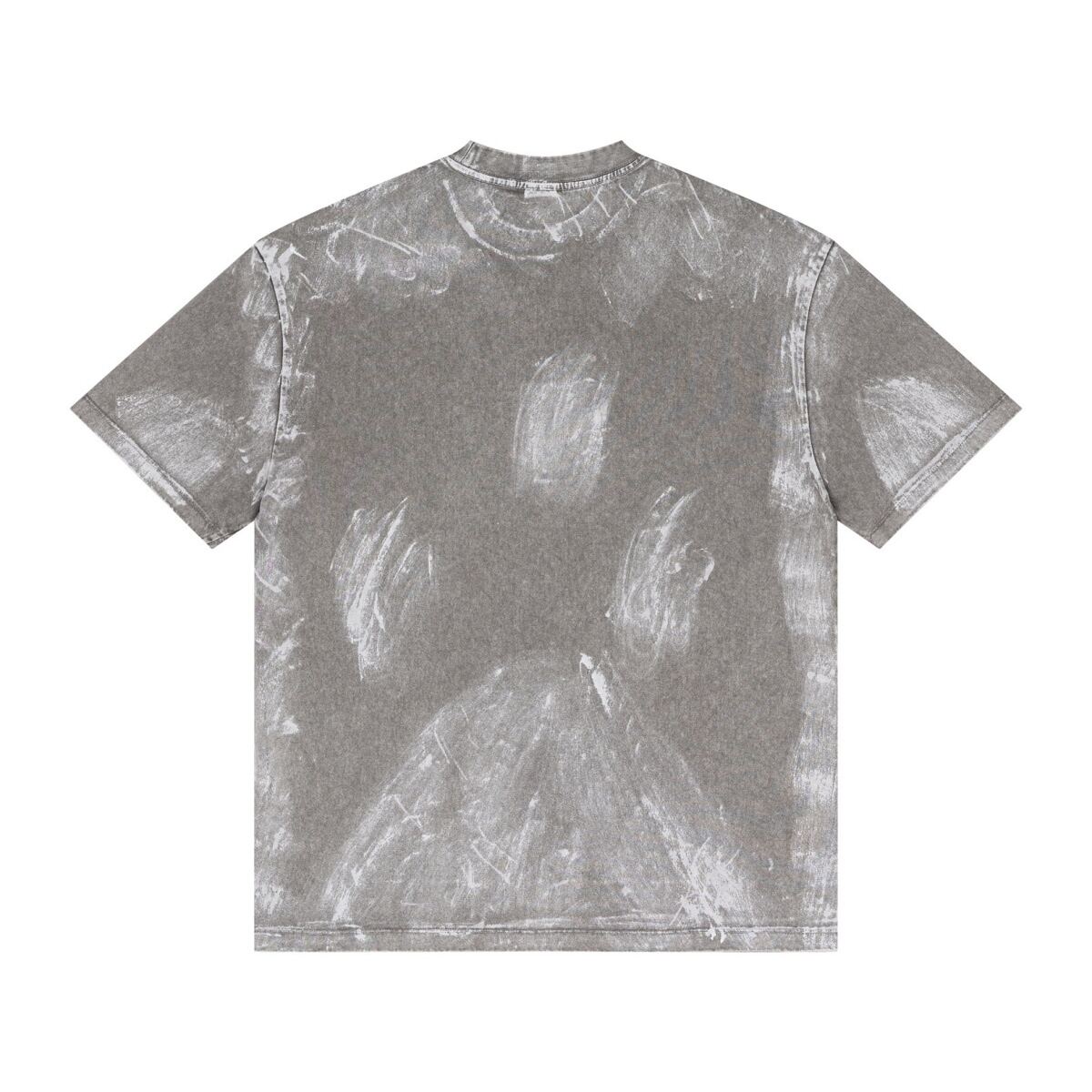
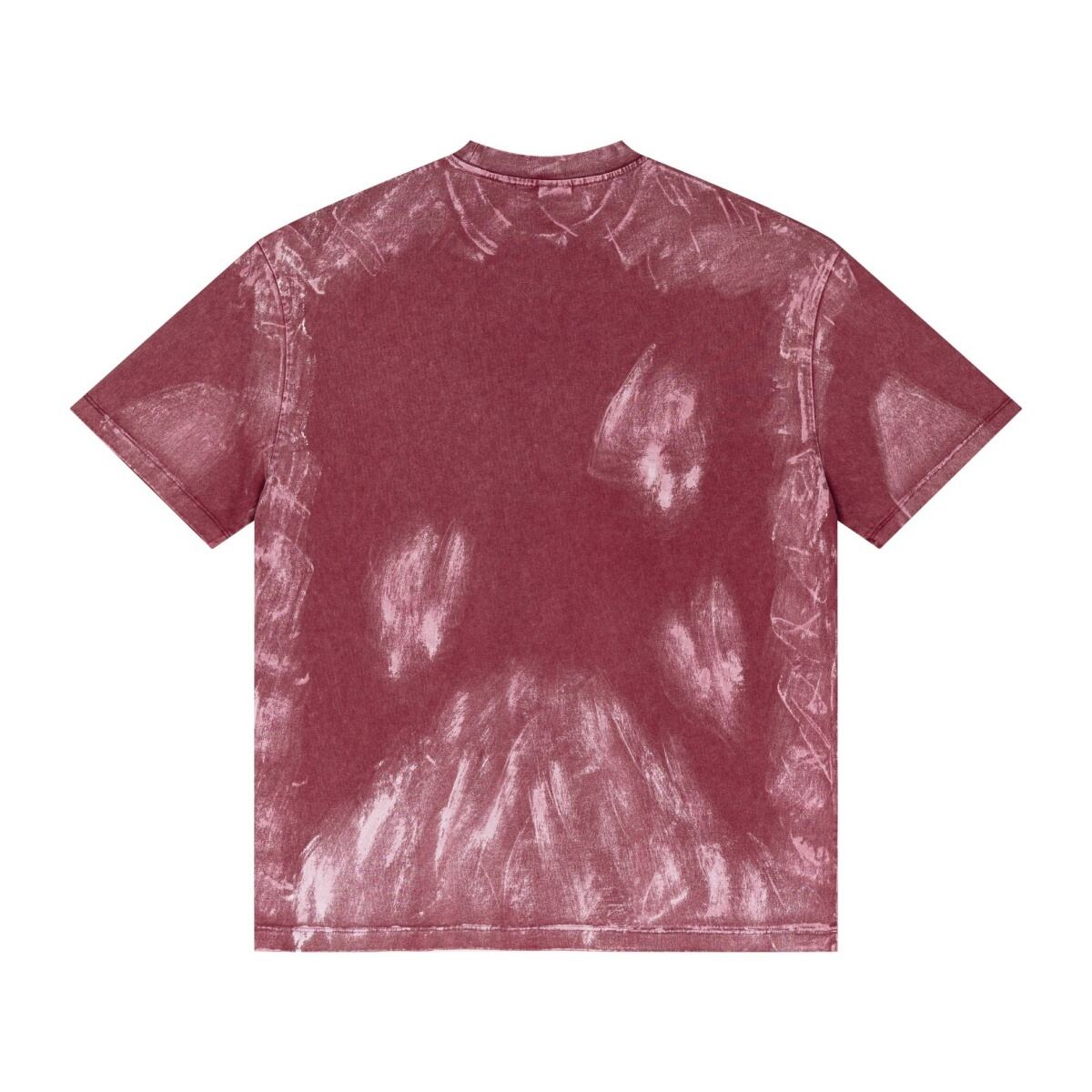
China Apparel Factory Manufacturing Solutions

Get a Free Quote

Our representative will contact you soon.
Email
Name
Company Name
Message
0/1000

china apparel factory

A china apparel factory represents a comprehensive manufacturing facility specializing in garment production, offering end-to-end solutions from design conceptualization to final product delivery. These factories integrate advanced textile processing equipment, cutting-edge sewing machinery, and quality control systems to produce clothing at scale. Modern china apparel factory operations encompass pattern making, fabric sourcing, sample development, bulk production, and packaging services. The technological infrastructure typically includes computerized cutting machines, automated sewing lines, digital printing capabilities, and embroidery systems that ensure precision and consistency. These facilities serve diverse market segments including fast fashion retailers, luxury brands, sportswear companies, and corporate uniform suppliers. The production scope ranges from basic t-shirts and casual wear to complex technical garments and haute couture pieces. A china apparel factory employs skilled workers trained in various specializations such as pattern cutting, stitching, finishing, and quality inspection. The application extends across multiple industries including retail fashion, promotional merchandise, hospitality uniforms, medical scrubs, and industrial workwear. With capacity to handle orders from small boutique quantities to millions of units annually, these factories provide flexible manufacturing solutions. Integration with global supply chains enables efficient raw material procurement and timely international shipping, making the china apparel factory model essential for brands seeking reliable, cost-effective garment production partners.

Popular Products

Working with a china apparel factory delivers significant cost advantages through economies of scale and optimized labor utilization, allowing brands to achieve competitive retail pricing while maintaining healthy profit margins. The concentration of textile mills, accessory suppliers, and logistics providers in Chinese manufacturing hubs creates seamless supply chain integration that reduces lead times and material costs. Buyers benefit from access to extensive fabric libraries and trim options without minimum order requirements that smaller manufacturers typically impose. Production flexibility stands as another major advantage, with most china apparel factory operations capable of switching between product categories and adjusting order volumes based on market demand. This adaptability proves invaluable for fashion brands navigating seasonal trends and testing new product lines without committing to excessive inventory. Quality management systems in established factories include multi-stage inspection protocols that catch defects before shipping, protecting brand reputation and reducing return rates. Technical expertise accumulated over decades enables these facilities to solve complex construction challenges and recommend manufacturing improvements that enhance garment durability and wearing comfort. Communication infrastructure has evolved dramatically, with many china apparel factory teams now offering English-speaking account managers, digital sample approvals, and real-time production updates through cloud-based platforms. Environmental compliance capabilities have expanded substantially, with leading factories obtaining certifications for water treatment, chemical management, and sustainable materials processing. The operational maturity of experienced factories translates to predictable production schedules, consistent quality standards, and reliable problem-solving when unexpected issues arise. For brands prioritizing speed-to-market, the ability to compress development timelines through rapid sampling and flexible production scheduling provides competitive advantages in fast-moving fashion segments.

Latest News

RealTree Camo: 2026's Hottest Streetwear Trend

01

Jun

RealTree Camo: 2026's Hottest Streetwear Trend

If you have been watching street style feeds, urban fashion shows, or independent clothing drops lately, one pattern keeps demanding attention: realtree camo. Once associated almost exclusively with hunting and outdoor gear, realtree camo has made a ...
View More
Why Do Big Brands Trust This Certified Custom Clothing Manufacturer?

08

Jun

Why Do Big Brands Trust This Certified Custom Clothing Manufacturer?

Choosing the right production partner is one of the most consequential decisions a brand can make. When global labels and fast-growing retail companies evaluate their supply chain, they do not simply look for the lowest price. They look for a custom ...
View More
Why Are Leading Clothing Manufacturers in China Best for Custom Apparel?

19

Jun

Why Are Leading Clothing Manufacturers in China Best for Custom Apparel?

When brands around the world search for reliable production partners, clothing manufacturers in China consistently rise to the top of the list. This is not a coincidence. Decades of industrial investment, skilled labor development, and supply chain r...
View More
How Does full Custom Packaging Add Value to a Custom Beanie?

22

Jun

How Does full Custom Packaging Add Value to a Custom Beanie?

A custom beanie is far more than a knitted hat. It is a branded product that carries your company identity, your aesthetic vision, and your promise to the end customer. Yet many businesses invest heavily in designing the perfect custom beanie and the...
View More

Get a Free Quote

Our representative will contact you soon.
Email
Name
Company Name
Message
0/1000

china apparel factory

Advanced Manufacturing Infrastructure and Technology Integration

Advanced Manufacturing Infrastructure and Technology Integration

The modern china apparel factory distinguishes itself through substantial investment in manufacturing technology that elevates production capabilities beyond traditional sewing operations. Automated fabric spreading and cutting systems utilize computer-aided design files to maximize material utilization while minimizing waste, directly impacting cost efficiency and environmental footprint. High-speed lockstitch machines, overlock sergers, and specialized equipment for specific operations like buttonholing, bar-tacking, and hemming ensure consistent stitch quality across thousands of garments. Digital printing technology enables short-run custom designs without the setup costs associated with traditional screen printing, opening opportunities for personalized products and limited edition collections. Quality assurance laboratories equipped with fabric testing instruments measure colorfastness, tensile strength, and dimensional stability to verify materials meet specifications before production begins. Integration of enterprise resource planning systems provides real-time visibility into order status, inventory levels, and production capacity, enabling better planning and communication between factories and their clients. This technological sophistication positions the china apparel factory as a capable partner for brands with demanding technical requirements and quality expectations.
Scalable Production Capacity with Flexible Order Accommodation

Scalable Production Capacity with Flexible Order Accommodation

Capacity scalability represents a defining characteristic of the established china apparel factory ecosystem, with facilities structured to handle dramatic volume fluctuations without compromising delivery timelines or quality standards. Large factories maintain multiple production lines that can be dedicated to specific clients or product categories, ensuring focused attention and specialized expertise for different garment types. This organizational structure allows simultaneous production of diverse styles, from basic replenishment orders to complex seasonal collections requiring detailed craftsmanship. The china apparel factory network includes facilities ranging from specialized small-batch producers ideal for emerging brands to massive operations capable of producing millions of units monthly for global retailers. Subcontracting relationships between factories create additional capacity bufers, enabling primary manufacturers to absorb unexpected order increases by leveraging trusted partner facilities that maintain comparable quality standards. Flexible scheduling accommodates rush orders and expedited production when market opportunities require accelerated timelines, though factories typically reward advance planning with preferential pricing and guaranteed capacity allocation. Minimum order quantities have become increasingly negotiable as factories recognize the value of long-term client relationships and the potential for order growth as brands expand their market presence and sales volumes increase over time.
Comprehensive Supply Chain Integration and Sourcing Expertise

Comprehensive Supply Chain Integration and Sourcing Expertise

The geographic concentration of textile production in China creates unique advantages for the china apparel factory ecosystem through unprecedented access to raw materials, components, and specialized services within compact manufacturing regions. Fabric mills producing everything from basic cotton jersey to technical performance textiles operate in proximity to garment factories, enabling rapid material sourcing and eliminating the delays and costs associated with international fabric procurement. Trim suppliers offering buttons, zippers, labels, threads, and decorative elements maintain extensive inventories and can fulfill specialized requests that would challenge manufacturers in less developed production regions. This supply chain depth allows the china apparel factory to offer comprehensive sourcing services, relieving brands of the complexity involved in coordinating multiple suppliers across different countries and consolidating various components for production. Experienced purchasing teams leverage established supplier relationships to negotiate favorable pricing and secure priority treatment during peak seasons when material availability tightens. The ability to physically visit fabric mills and trim suppliers for material selection and quality verification ensures procurement decisions align with design intent and quality expectations. Vertical integration in some factory groups extends to owning textile mills and finishing facilities, creating even greater control over quality, costs, and lead times while offering clients simplified vendor management and consolidated billing arrangements.
China Apparel Factory Manufacturing Solutions

Get a Free Quote

Our representative will contact you soon.
Email
Name
Company Name
Message
0/1000